Reported by Weng Patrick Atokor | Journalist at Weng Global
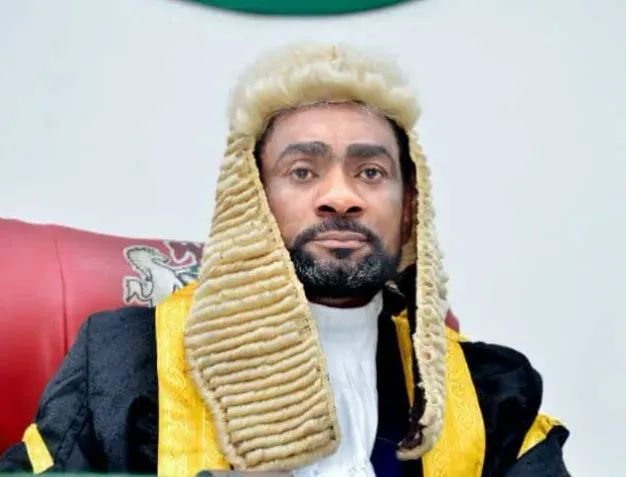
The Edo State House of Assembly has entered a new phase of leadership following the resignation of Blessing Agbebaku as Speaker and the emergence of Yekini Idiaye as his successor.
Idiaye, who represents Akoko-Edo Constituency I and is a third-term lawmaker, was elected Speaker on Monday, August 17, 2026, after Agbebaku stepped down amid growing pressure from members of the Assembly.
Speaking to journalists after plenary, Idiaye gave a blunt explanation for the leadership change, accusing his predecessor of poor leadership and alleging that corruption had affected the operations of the legislature.
According to Idiaye, the lawmakers had become increasingly dissatisfied with the way the Assembly was being managed since its inauguration in June 2023.
He alleged that the House experienced repeated adjournments, sometimes lasting as long as 30 days without what he considered sufficient justification. Idiaye argued that such prolonged interruptions affected the ability of lawmakers to perform their legislative responsibilities and contributed to delays in government business.
“We are not happy with his leadership style,” Idiaye said, according to reports by The PUNCH and The Guardian. He described Agbebaku’s leadership as poor and alleged that it was holding back the work of government.
Agbebaku resigns amid impeachment pressure
Agbebaku’s departure came after lawmakers reportedly moved towards impeaching him.
Reports indicate that 18 of the Assembly’s 24 members had signed an impeachment notice by Sunday night. Since two-thirds of the 24-member House amounts to 16 lawmakers, the reported number was sufficient to meet the threshold required to initiate the removal process.
Rather than face the impeachment process, Agbebaku submitted his resignation on Monday morning.
His media aide, Ivy Ebojele, confirmed the resignation and indicated that further details would be made public.
The development immediately triggered a change in the leadership of the House, with Idiaye emerging as the new Speaker.
Why Idiaye emerged
Ordinarily, the resignation or removal of a Speaker could lead to the Deputy Speaker taking over the position. However, the Edo Assembly has a zoning arrangement that influenced the selection of the new Speaker.
The arrangement reportedly provides that when the governor comes from Edo Central Senatorial District, the Speaker should come from Edo North.
Governor Monday Okpebholo is from Edo Central, making the Speakership an Edo North position under the arrangement.
Idiaye, who represents Akoko-Edo Constituency I, was subsequently selected as Speaker and sworn into office following his nomination and endorsement during Monday’s plenary.
New leadership takes shape
The leadership change did not stop with the Speakership.
The Assembly also approved changes to several principal offices. Sunday Ojiezele was nominated as Majority Leader, while Ojie Inegbebor was selected as Deputy Majority Leader. Natasha Osawaru was also approved as the new Minority Leader.
The developments effectively mark a significant restructuring of the leadership of the Eighth Edo State House of Assembly.
Idiaye now faces the responsibility of stabilising the legislature and restoring confidence among lawmakers after a period of internal disagreement.
Allegations remain allegations
While Idiaye cited corruption and poor leadership as major reasons for the change, the corruption claims remain allegations and should not be treated as established facts unless supported by evidence or a formal finding by a competent authority.
The immediate political circumstances surrounding Agbebaku’s resignation also suggest that the development was not simply about administrative disagreements.
Agbebaku had faced increasing political pressure within the Assembly, and reports of an impending impeachment had circulated before his resignation.
The former Speaker had also undergone a major political realignment in 2025, when he and several other lawmakers moved from the Peoples Democratic Party to the All Progressives Congress. At the time, Agbebaku said the move was intended to align with Governor Monday Okpebholo and accelerate development in Edo State.
What lies ahead for Edo Assembly
The immediate challenge for Idiaye will be to demonstrate that the Assembly can operate with greater stability and efficiency.
His comments indicate that he intends to address the concerns he says contributed to Agbebaku’s downfall, particularly prolonged adjournments and what he described as ineffective leadership.
The new Speaker will also have to manage relationships among lawmakers, the executive branch and the various political interests within Edo State.
For the Assembly, the leadership transition comes at a sensitive time, with lawmakers expected to continue their legislative duties while also responding to the political expectations of their constituencies.
The change also places greater attention on the Assembly’s ability to provide effective oversight of government activities while maintaining its constitutional independence.
A new chapter
Agbebaku’s resignation closes a chapter that began when he became Speaker in June 2023. His replacement by Idiaye opens a new chapter for the Edo legislature.
Whether Idiaye’s leadership will bring the improvements he has promised remains to be seen. But his first major task will be to convince lawmakers and the wider public that the Assembly can move beyond internal disputes and focus on legislation, oversight and development.
For now, the message from the new Speaker is clear: he believes the previous leadership failed to meet the expectations of lawmakers, and he has promised a different approach.
The coming months will determine whether that change translates into a more productive and stable Edo State House of Assembly.
Sources: The PUNCH, The Guardian, Channels Television, The Sun, Blueprint, ThisDay.