Reported by Simon yusuph,| Journalist at wengglobal
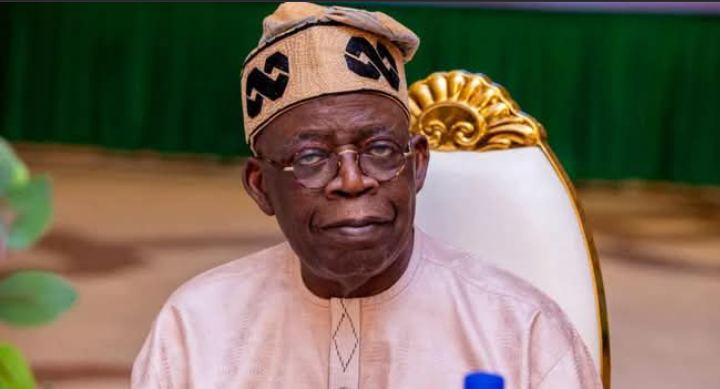
The outcome of Nigeria’s 2023 presidential election in Lagos State remains one of the most debated political developments in the country’s recent democratic history. Former Minister of State for Defence and ex-Lagos governorship aspirant, Musiliu Obanikoro, has offered his perspective on why President Bola Ahmed Tinubu failed to secure victory in his political stronghold, arguing that the All Progressives Congress (APC)’s controversial Muslim-Muslim presidential ticket not Labour Party candidate Peter Obiwas the decisive factor behind the defeat.
Speaking during a television interview, Obanikoro maintained that the political narrative surrounding the election has often overlooked what he described as the real reason many Lagos voters turned away from the APC in the presidential poll.
According to him, while Peter Obi attracted significant support across urban centres and among younger voters, the decision by the APC to field two Muslim candidates on its presidential ticket generated dissatisfaction among a section of the electorate, particularly Christian voters, ultimately affecting Tinubu’s electoral fortunes in Lagos.
Obanikoro Challenges Popular Narrative
Obanikoro argued that attributing Tinubu’s loss in Lagos solely to the popularity of Peter Obi oversimplifies the political dynamics that shaped the election.
He explained that the APC’s choice of former Borno State Governor Kashim Shettima as Tinubu’s running mate triggered concerns over religious representation in a country widely recognised for its delicate religious and ethnic balance.
According to the former minister, many voters who had traditionally supported Tinubu politically became uncomfortable with the Muslim-Muslim ticket and opted to vote differently during the presidential election.
He insisted that the electoral outcome reflected a protest against the composition of the APC ticket rather than a wholesale rejection of Tinubu’s political influence in Lagos.
Lagos Delivered Historic Result
The 2023 presidential election marked a significant political milestone as Tinubu lost Lagos State—the state widely regarded as his political base.
Official results released by the Independent National Electoral Commission (INEC) showed that Labour Party candidate Peter Obi emerged victorious in Lagos, defeating Tinubu in a result that surprised many political observers.
Obi secured widespread backing across several local government areas, particularly among urban professionals, first-time voters, youths, and members of the “Obidient” movement, which gained nationwide momentum during the election campaign.
Political analysts have described the Lagos outcome as one of the defining moments of the 2023 elections because it demonstrated changing voter behaviour in a state long considered an APC stronghold.
Despite the loss in Lagos, Tinubu went on to win the presidential election nationally and was subsequently sworn in as Nigeria’s President after meeting the constitutional requirements for victory.
Muslim-Muslim Ticket Remained Controversial
The APC’s decision to present Bola Tinubu and Kashim Shettima as its presidential ticket generated extensive national debate throughout the campaign season.
Supporters of the decision argued that competence and electoral viability should take precedence over religious considerations. They maintained that both candidates possessed the experience required to govern Africa’s largest economy.
Critics, however, argued that Nigeria’s religious diversity required greater sensitivity in balancing political representation. They warned that presenting two Muslim candidates risked alienating Christian voters and could deepen perceptions of exclusion.
Several Christian organisations, civil society groups and political commentators openly expressed reservations about the ticket before the election.
Obanikoro’s latest remarks reinforce the view held by some political stakeholders that the controversy surrounding the ticket had measurable electoral consequences in parts of southern Nigeria, including Lagos.
Peter Obi’s Influence Still Significant
Although Obanikoro downplayed claims that Peter Obi alone was responsible for Tinubu’s defeat in Lagos, analysts generally acknowledge that the Labour Party candidate reshaped Nigeria’s political landscape during the 2023 elections.
Obi’s campaign mobilised millions of young Nigerians, professionals and first-time voters through grassroots mobilisation and social media engagement.
His message centred on governance reforms, economic recovery, anti-corruption and institutional accountability, helping transform Labour Party from a relatively minor political platform into a major national force.
The movement generated unprecedented enthusiasm, especially in major cities such as Lagos, Abuja and Port Harcourt, where many voters sought alternatives to Nigeria’s two dominant political parties.
Political observers therefore believe that while the Muslim-Muslim ticket may have influenced voter decisions, Peter Obi’s popularity and the broader demand for political change also played an important role in the Lagos result.
Continuing Debate Over 2023 Election
More than three years after the election, discussions surrounding the Lagos outcome continue to shape Nigeria’s political discourse as parties prepare for future electoral contests.
Analysts believe understanding why Tinubu lost Lagos could influence campaign strategies ahead of subsequent elections.
For the APC, the debate highlights the importance of managing issues relating to inclusiveness, religious balance and voter perception.
For opposition parties, Lagos remains evidence that even long-established political strongholds can become competitive under changing political circumstances.
Obanikoro’s comments add another perspective to the broader conversation on the electoral factors that influenced voting behaviour during the 2023 presidential election.
While some political analysts agree with his assessment regarding the impact of the Muslim-Muslim ticket, others argue that multiple issues—including economic hardship, youth participation, public sentiment, and the emergence of the Labour Party—combined to reshape Nigeria’s electoral landscape.
Broader Lessons for Nigerian Politics
The Lagos presidential election result has become a case study in Nigeria’s evolving democracy, illustrating that voter preferences are increasingly shaped by a combination of identity, policy expectations, governance records and changing demographics.
Political observers note that future elections are likely to become even more competitive as younger voters continue to demand greater accountability and inclusive governance.
As political parties prepare for future electoral cycles, balancing competence, representation and public perception is expected to remain central to candidate selection and campaign strategy.
Obanikoro’s remarks therefore contribute to an ongoing national conversation about how political decisions, including the composition of party tickets, can influence electoral outcomes in a country as diverse as Nigeria.
Ultimately, the debate underscores the complexity of Nigerian elections, where religious considerations, political structures, voter mobilisation, economic conditions and candidates’ appeal often intersect to determine electoral outcomes.
Sources
- Channels Television
- Premium Times Nigeria
- Vanguard Nigeria
- Punch Newspapers
- The Cable
- Independent National Electoral Commission (INEC)