Reported by Simon yusuph,| Journalist at wengglobal
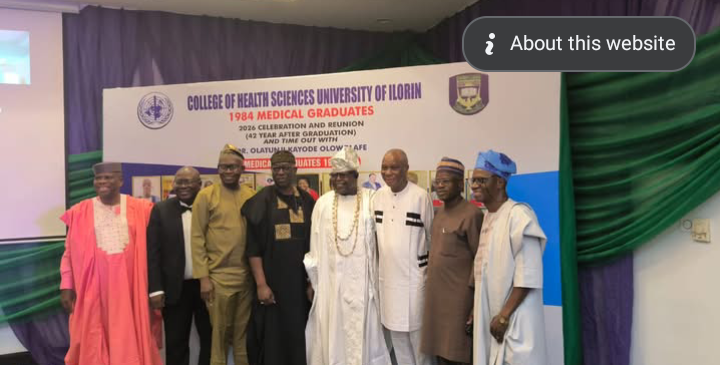
More than four decades after earning their medical degrees, members of the University of Ilorin (UNILORIN) College of Health Sciences Class of 1984 have reunited in a celebration that went far beyond nostalgia. The gathering became a platform for renewed commitment to Nigeria’s healthcare system, advocacy for increased investment in the medical sector, and a passionate appeal to young Nigerians to embrace education, integrity, and national service.
The reunion, held 42 years after the alumni graduated as medical doctors, brought together distinguished professionals who have built remarkable careers across Nigeria and the international community. Their collective message underscored the urgent need for sustained investments in healthcare infrastructure, medical education, research, and workforce development as Nigeria continues to grapple with growing public health challenges and the migration of skilled professionals abroad.
The event highlighted the enduring bonds formed during their years at the University of Ilorin while reaffirming the graduates’ commitment to supporting healthcare delivery and mentoring future generations of medical professionals.
A Reunion with a Purpose
Unlike many alumni gatherings focused primarily on reconnecting with former classmates, the UNILORIN 1984 reunion emphasized national development and the future of healthcare in Nigeria.
Participants reflected on the evolution of Nigeria’s health sector over the past four decades, acknowledging both notable achievements and persistent challenges. They observed that while medical science has advanced significantly, the country’s healthcare system still requires greater public and private investment to meet the needs of a rapidly growing population.
The alumni stressed that improved funding should extend beyond constructing hospitals to include modern medical equipment, specialist training, digital health technologies, research funding, and improved welfare for healthcare workers.
They argued that strengthening healthcare institutions is essential for improving patient outcomes, reducing preventable deaths, and positioning Nigeria as a regional leader in medical innovation and healthcare delivery.
Investing in Nigeria’s Healthcare Future
During the reunion, speakers emphasized that healthcare should remain a strategic national priority.
According to the alumni, sustained investment in healthcare produces benefits that extend beyond medicine. Improved public health supports economic productivity, enhances educational outcomes, attracts investment, and contributes to national stability.
They noted that Nigeria continues to face multiple healthcare challenges, including shortages of skilled professionals, rising cases of non-communicable diseases, infectious disease outbreaks, maternal and child health concerns, and increasing demand for specialist services.
Addressing these issues, they argued, requires coordinated action by governments at all levels, development partners, private sector investors, professional associations, and educational institutions.
The doctors also highlighted the importance of supporting medical schools with adequate facilities, research grants, laboratory equipment, and modern teaching resources to ensure future doctors receive world-class training.
Mentoring the Next Generation
One of the most memorable moments of the reunion was the alumni’s message to young Nigerians, particularly aspiring healthcare professionals.
Encouraging students to remain focused despite economic and social challenges, the graduates emphasized that lasting success is built on discipline, education, patience, and ethical conduct.
One of the alumni delivered a message that resonated strongly throughout the gathering:
“Our message to young people is simple: there are no shortcuts. Get a good education, develop yourself, follow due process, and use your talents to give back to society. We are remembered not for what we acquire but for what we contribute.”
The statement reflected values that have guided many members of the class throughout their professional journeys.
They encouraged young Nigerians to pursue excellence regardless of circumstances and to recognize that education remains one of the most effective pathways to personal growth and national development.
The alumni also urged students to embrace lifelong learning, professionalism, compassion, and integrity—qualities they described as indispensable in medicine and public service.
Giving Back Beyond the Classroom
Many members of the UNILORIN 1984 class have established distinguished careers in clinical medicine, academia, research, healthcare administration, public health, and international organizations.
Several participants highlighted ongoing efforts by alumni to support their alma mater through scholarships, mentorship programmes, medical outreach initiatives, equipment donations, and infrastructure development.
Such initiatives, they noted, demonstrate how alumni associations can become valuable partners in strengthening educational institutions while contributing to broader national development goals.
The reunion reinforced the idea that successful professionals have a responsibility to invest in future generations by sharing knowledge, experience, and opportunities.
Nigeria’s Healthcare Landscape
The call by the UNILORIN graduates comes at a critical period for Nigeria’s health sector.
Experts have consistently advocated increased funding for healthcare, citing growing population demands, workforce shortages, and the continued emigration of skilled medical professionals seeking better opportunities abroad.
Stakeholders have also emphasized the need for stronger primary healthcare systems, improved emergency care, expanded health insurance coverage, and enhanced medical research capacity.
International organizations, including the World Health Organization (WHO), have repeatedly stressed that resilient healthcare systems require sustained investment in infrastructure, human resources, technology, and governance.
The alumni’s recommendations align with broader discussions among policymakers, healthcare professionals, and development partners regarding strategies for achieving universal health coverage and improving healthcare accessibility across Nigeria.
Education as a Foundation for National Development
Beyond healthcare, the reunion highlighted the transformative power of education.
The doctors reflected on how their years at the University of Ilorin shaped not only their professional competence but also their values of service, resilience, collaboration, and ethical leadership.
They argued that educational institutions must continue to produce graduates capable of solving real-world challenges while contributing positively to society.
Their message also served as a reminder that national progress depends not only on economic growth but also on investments in human capital.
As Nigeria seeks to strengthen its healthcare system and accelerate development, the experiences of professionals who have served for more than four decades provide valuable lessons on leadership, commitment, and service.
A Legacy Built on Service
The reunion concluded with renewed commitments among members of the UNILORIN 1984 class to continue supporting healthcare initiatives, mentoring younger professionals, and contributing to national development.
For many attendees, the gathering represented more than a celebration of shared memories it was an affirmation that professional success carries responsibilities beyond individual achievement.
Their collective appeal for greater healthcare investment, combined with their encouragement to young Nigerians to pursue education with integrity and purpose, reflects a vision of national development grounded in service, knowledge, and collaboration.
As Nigeria continues to navigate evolving healthcare challenges, voices from experienced medical professionals remain vital in shaping policies and inspiring future generations dedicated to improving lives through medicine and public service.
Sources
- University of Ilorin (UNILORIN)
- Punch Newspapers
- The Guardian Nigeria
- Vanguard Newspaper
- Nigerian Tribune