Reported by Simon Daniel Yusuph l Journalist at Weng Global
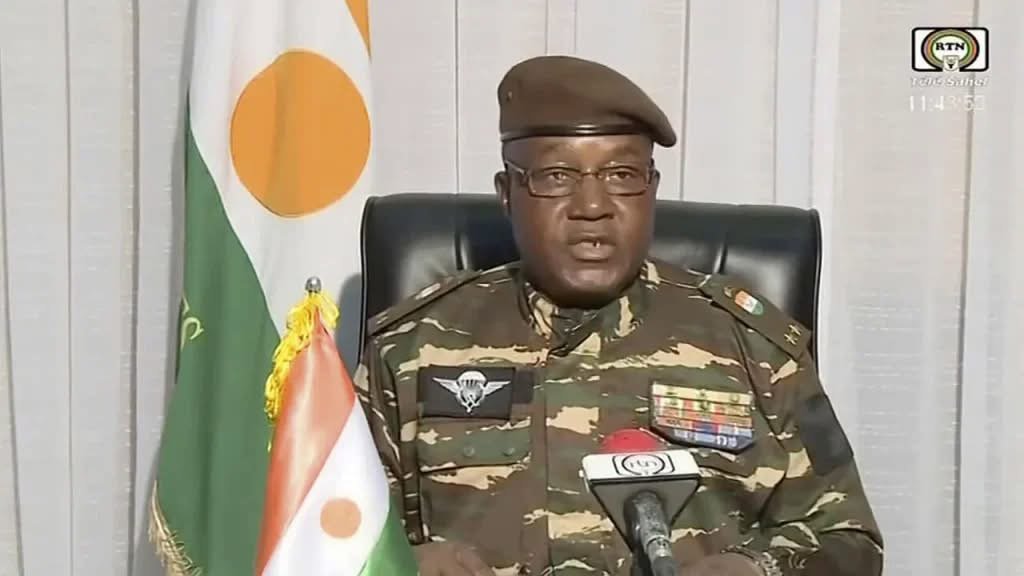
President Bola Ahmed Tinubu has extended Nigeria’s condolences to Niger Republic’s military leader, General Abdourahamane Tiani, following the death of his father, Elhadji Tiani Hassane, who died at the age of 110 in Niamey, the Nigerien capital.
The development comes amid renewed diplomatic expressions of solidarity from African leaders following the death of the Nigerien leader’s father on Thursday, November 5, 2026.
According to information supplied for this report, Tinubu conveyed Nigeria’s sympathy to Tiani on Saturday, November 7, expressing condolences to the Nigerien leader, his family and the people of Niger over the loss.
However, Weng Global could not independently locate an official statement from Nigeria’s State House confirming the reported condolence message at the time of publication.
The death of Elhadji Tiani Hassane was confirmed in an official announcement issued by the Nigerien presidency and reported by the Nigerien News Agency (ANP).
The announcement stated that the 110-year-old died in Niamey on Thursday, November 5.
His death has attracted condolences from political leaders and prominent personalities across Africa, reflecting the diplomatic and personal significance of the loss to Niger’s leadership.
Nigerien Presidency Confirms Death of Tiani’s Father
The Nigerien presidency officially announced the death of Elhadji Tiani Hassane through a statement issued by the office of the President.
According to the announcement published by the Nigerien News Agency on November 5, the deceased passed away in Niamey at the age of 110.
The statement was signed by Dr Soumana Boubacar, Minister and Director of Cabinet of the President of the Republic.
The presidency expressed regret over the death of the family patriarch and communicated the development to the Nigerien public.
The announcement also provided details of the funeral arrangements.
Elhadji Tiani Hassane was scheduled to be buried on Friday, November 6, in Toukounouss, his hometown, following the afternoon Asr prayer.
Toukounouss is located approximately 200 kilometres from Niamey.
The burial arrangements followed the announcement of his death, with family members and other mourners expected to gather to pay their final respects.
Although the official announcement confirmed his age and place of death, it did not disclose the cause of his passing.
African Leaders Express Solidarity With General Tiani
The death has prompted condolence messages from leaders in neighbouring and other African countries.
Among those who have publicly expressed sympathy is Algerian President Abdelmadjid Tebboune, who sent a condolence message to General Tiani on Friday, November 6.
According to the Algerian Press Service (APS), Tebboune expressed sadness over the death and extended sympathy on behalf of the Algerian government and people.
The Algerian president also offered prayers for the deceased and asked God to grant the Nigerien leader and his family patience and comfort during the difficult period.
His message highlighted the diplomatic relationship between Algeria and Niger, two countries whose cooperation remains important to political and security developments across the Sahel.
Mauritanian President Mohamed Ould Cheikh El Ghazouani also sent condolences to Tiani on Saturday, November 7.
In a message published by the Mauritanian News Agency, Ghazouani expressed sympathy to the Nigerien president, his family and the people of Niger.
He prayed for the repose of the deceased and asked God to provide strength and comfort to those affected by the loss.
The messages from Algeria and Mauritania demonstrate the regional attention surrounding the death of the Nigerien leader’s father.
Nigeria and Niger Share Important Diplomatic and Regional Interests
The reported condolence message from Tinubu comes against the background of Nigeria and Niger’s longstanding relationship as neighbouring West African countries.
The two nations share an extensive land border and maintain historical, cultural, religious, economic and social connections.
Communities on both sides of the border have maintained longstanding relationships through trade, migration, family connections and cultural exchanges.
Their geographical proximity also makes cooperation between their governments important for addressing common challenges, particularly insecurity, cross-border criminal activities, irregular migration and economic development.
Nigeria and Niger have historically maintained security cooperation through regional arrangements aimed at addressing terrorism and instability across the Sahel and the Lake Chad Basin.
However, relations between the two countries have faced challenges following the military takeover in Niger in July 2023.
The coup that removed former President Mohamed Bazoum brought changes to Niger’s foreign relations and affected its engagement with regional organisations and neighbouring governments.
Nigeria, under Tinubu’s leadership as Chairman of the Economic Community of West African States (ECOWAS) at the time, played a prominent role in the regional response to the military takeover.
ECOWAS initially imposed sanctions and demanded a return to constitutional order, developments that contributed to diplomatic tensions between Niger and several West African countries.
Niger subsequently withdrew from ECOWAS alongside Mali and Burkina Faso, forming the Alliance of Sahel States (AES).
Despite these political differences, the importance of maintaining communication and cooperation between Nigeria and Niger has remained evident.
Tinubu’s Diplomatic Engagement With Niger
Nigeria’s relationship with Niger remains strategically important because of shared security and economic interests.
The two countries face overlapping security concerns, including the activities of armed groups operating across parts of the Sahel and the wider Lake Chad region.
Border communities also depend on cross-border commercial activities, making stability and diplomatic engagement important for livelihoods and regional development.
Expressions of sympathy during moments of national or personal bereavement are part of established diplomatic practice.
When confirmed, such gestures can help maintain channels of communication and demonstrate respect between governments, even when political disagreements exist.
Tinubu’s reported condolence message to Tiani should therefore be viewed within the broader context of Nigeria’s relationship with its northern neighbour.
However, a condolence message alone does not necessarily indicate a major shift in diplomatic policy or the resolution of existing disagreements.
Any broader improvement in relations would depend on sustained engagement and cooperation on issues affecting both countries.
Tiani’s Leadership and Niger’s Political Situation
General Abdourahamane Tiani became Niger’s head of state following the military coup of July 26, 2023, which removed President Mohamed Bazoum from power.
Before becoming the country’s leader, Tiani served as commander of Niger’s presidential guard.
Following the takeover, the military authorities established a transitional governing arrangement under the National Council for the Safeguard of the Homeland, known by its French acronym CNSP.
Tiani subsequently emerged as the central figure in the country’s military-led administration.
His leadership has coincided with significant political and diplomatic changes in Niger, particularly the country’s withdrawal from ECOWAS and its growing alignment with Mali and Burkina Faso through the Alliance of Sahel States.
Niger has also faced continuing security challenges involving armed groups operating in the Sahel.
These developments have made the country’s political direction and relationship with neighbouring states important subjects of regional and international attention.
The death of Tiani’s father, however, is primarily a family bereavement, and the condolence messages should be understood in that context rather than interpreted as evidence of new political developments.
Why the Development Matters to West Africa
The expressions of sympathy from Nigeria, Algeria and Mauritania highlight the importance of diplomatic relationships across Africa.
Although political differences frequently shape relations between governments, personal and national expressions of solidarity remain important aspects of international engagement.
For Nigeria, maintaining constructive relations with Niger is particularly important because of the countries’ shared security challenges and economic connections.
Both governments have an interest in preventing instability along their common border and supporting conditions that allow legitimate trade and movement to continue.
The Sahel’s wider security situation also means that cooperation among regional governments remains essential.
Political tensions between neighbouring countries can complicate efforts to address cross-border threats, while sustained diplomatic engagement can provide opportunities for dialogue.
Nevertheless, the death of a family member should not automatically be presented as a diplomatic breakthrough.
The significance of the reported Nigerian condolence message lies principally in the expression of sympathy during a period of bereavement.
What Happens Next?
Following the burial of Elhadji Tiani Hassane in Toukounouss on Friday, November 6, attention is expected to remain on further condolence messages and expressions of sympathy from political leaders, institutions and individuals.
The Nigerien government has officially confirmed the death and communicated the funeral arrangements.
Meanwhile, the reported message from Tinubu remains subject to independent confirmation through an official Nigerian government statement.
Weng Global will continue monitoring developments concerning the diplomatic response and any official communication from the Nigerian presidency.
For the people of Niger and the Tiani family, the immediate focus remains on mourning the loss of Elhadji Tiani Hassane, who lived for 110 years.
His death represents a personal loss for the Nigerien head of state and his family, while the regional expressions of sympathy demonstrate the importance of solidarity during moments of bereavement.
WENG GLOBAL — Stories beyond borders
Sources
- Nigerien Presidency – Official announcement confirming the death and funeral arrangements of Elhadji Tiani Hassane.
- Nigerien News Agency (ANP) – Confirmation of the death at 110.
- Algerian Press Service (APS) – Algerian President Abdelmadjid Tebboune’s condolence message.
- Mauritanian News Agency (AMI) – President Mohamed Ould Cheikh El Ghazouani’s condolence message.
- The Guardian Nigeria – Additional reporting on the death and reactions in Nigeria.