Reported by Weng Patrick Atokor | journalist at wengglobal
The launch of the Door-to-Door Movement in support of President Bola Ahmed Tinubu’s potential 2027 re-election bid has generated renewed political discussion across Nigeria, highlighting the growing significance of early campaign mobilization and the evolving dynamics within the ruling All Progressives Congress (APC).
The movement, championed by former Niger Delta militant leader and prominent businessman Government Ekpemupolo, popularly known as Tompolo, has attracted widespread attention from political stakeholders, analysts, and the general public. Images and video clips from the inauguration, including footage showing President Tinubu alongside National Security Adviser (NSA) Mallam Nuhu Ribadu observing proceedings, quickly circulated across social media platforms and news outlets, fueling extensive commentary about the administration’s political direction.
While the event has intensified speculation regarding future political alignments within the APC, there is currently no official evidence confirming claims circulating on social media about disagreements among senior government officials or internal succession plans. Neither the Presidency, the Office of the Vice President, nor the Office of the National Security Adviser has publicly confirmed reports suggesting tensions among top officials.
Tinubu’s Growing Support Base
Since assuming office in May 2023, President Tinubu has continued to receive endorsements from influential political leaders, traditional rulers, business stakeholders, youth organizations, and regional interest groups. Supporters argue that despite the economic challenges accompanying major policy reforms—including the removal of fuel subsidy and foreign exchange reforms—the administration remains committed to implementing long-term economic restructuring aimed at stabilizing Nigeria’s economy.
The inauguration of the Door-to-Door Movement represents another significant endorsement for the President. Organizers described the initiative as a nationwide grassroots campaign designed to mobilize support across communities ahead of future electoral contests. Although the next presidential election remains several years away, early political mobilization has become increasingly common within Nigeria’s political landscape.
Tompolo’s Political Influence
Government Ekpemupolo, better known as Tompolo, remains one of the most influential figures in the Niger Delta region. A former militant leader who later embraced the Federal Government’s Amnesty Programme, Tompolo has transformed into a major stakeholder in maritime security and regional development.
His support carries considerable political weight, particularly in the South-South geopolitical zone. Political observers note that endorsements from influential regional leaders often shape conversations within major political parties, especially as preparations for future elections gradually begin.
The decision to establish a nationwide campaign movement in support of President Tinubu has therefore attracted significant media coverage and generated varied reactions among Nigerians.
Social Media Speculation and Political Narratives
Following the inauguration, several social media users began circulating claims suggesting the event reflected underlying political rivalries within the administration. Some posts speculated about relationships among senior officials, while others attempted to interpret body language and public appearances as evidence of internal disagreements.
However, these claims remain unverified.
Political analysts caution against drawing conclusions from viral online narratives without supporting evidence. Public appearances by senior government officials are often interpreted through political lenses, particularly as discussions about Nigeria’s future leadership continue to gain momentum.
To date, there has been no official statement confirming reports of any conflict involving Vice President Kashim Shettima, NSA Nuhu Ribadu, or President Tinubu in relation to the campaign movement.
Shettima’s Role in the Administration
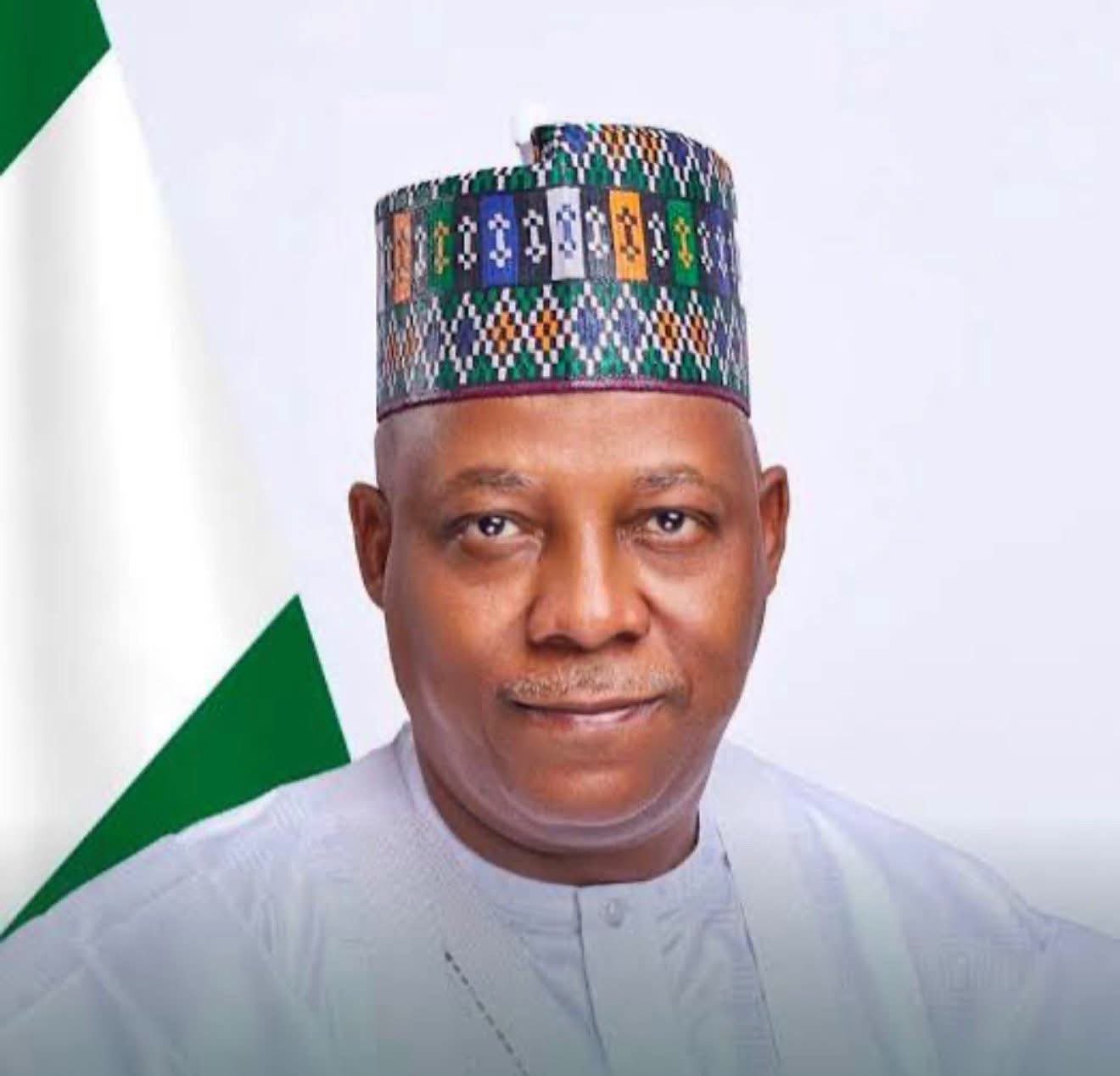
Vice President Kashim Shettima continues to play a central role in the Tinubu administration. Since taking office, he has represented the President at numerous international summits, chaired high-level government meetings, engaged development partners, and participated in policy implementation across sectors including agriculture, infrastructure, education, and economic development.
Shettima has consistently emphasized unity within the administration and has repeatedly expressed support for the President’s Renewed Hope Agenda.
Although political observers frequently speculate about future electoral calculations, neither the Vice President nor the Presidency has publicly indicated any disagreement regarding succession or future presidential ambitions.
Nuhu Ribadu’s Expanding National Profile
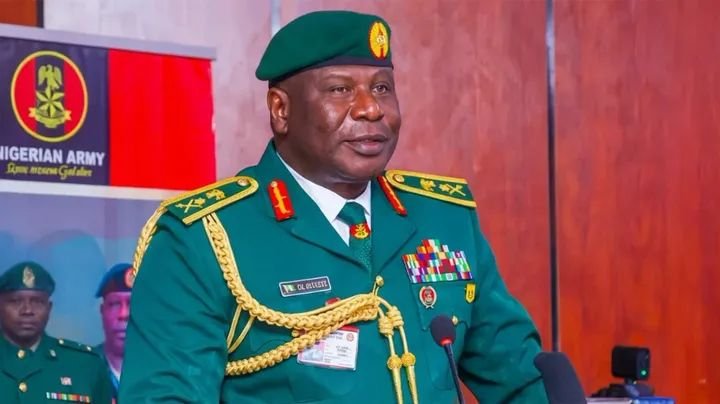
National Security Adviser Mallam Nuhu Ribadu has become one of the administration’s most visible officials, leading efforts to coordinate Nigeria’s response to terrorism, kidnapping, oil theft, cybercrime, and other national security challenges.
His increasing public profile has naturally generated political commentary. However, government officials have consistently maintained that Ribadu’s responsibilities remain focused on national security rather than partisan politics.
Observers note that senior government officials often attract speculation regarding future political ambitions simply because of their visibility and influence.
Early Political Conversations
Although Nigeria’s next presidential election is still some distance away, conversations surrounding 2027 have already begun across political circles.
Analysts argue that this is not unusual. Political parties typically begin internal consultations years before election seasons, with endorsements, alliances, consultations, and grassroots mobilization forming part of broader political strategies.
Within the APC, discussions continue regarding strengthening party structures, expanding membership, and consolidating support across Nigeria’s six geopolitical zones.
Opposition parties are equally reviewing their electoral strategies following the 2023 general elections, making the political environment increasingly active despite the time remaining before the next national polls.
The Importance of Verified Reporting
The rapid spread of political content on social media has underscored the importance of responsible journalism and fact-based reporting.
Experts warn that viral posts often mix verified information with opinion, speculation, or anonymous claims. As a result, media organizations have an obligation to distinguish confirmed facts from political commentary.
For readers and citizens, verifying information through credible news organizations and official statements remains essential before accepting or sharing politically sensitive claims.
Looking Ahead
As Nigeria continues to navigate economic reforms, security challenges, and governance priorities, political activities are expected to increase gradually ahead of the 2027 general elections.
Events such as Tompolo’s Door-to-Door Movement illustrate the growing importance of grassroots political organization and public engagement. However, the broader implications of these initiatives will likely become clearer only as official party activities and electoral preparations advance.
For now, public attention remains focused on the administration’s performance, the implementation of ongoing reforms, and how political actors position themselves within an evolving democratic landscape.
Until credible evidence emerges, claims regarding alleged rivalries, succession arrangements, or private disagreements among senior government officials should be treated as political speculation rather than established fact.
Weng Global will continue to monitor developments and report verified information as it becomes available.
Sources
- Reuters
- Premium Times Nigeria
- The Guardian Nigeria
- Channels Television
- Punch Newspapers
- Daily Trust
- Leadership Newspaper
- Official statements from the Presidency and the Office of the National Security Adviser