Reported by Simon yusuph,| Journalist at wengglobal
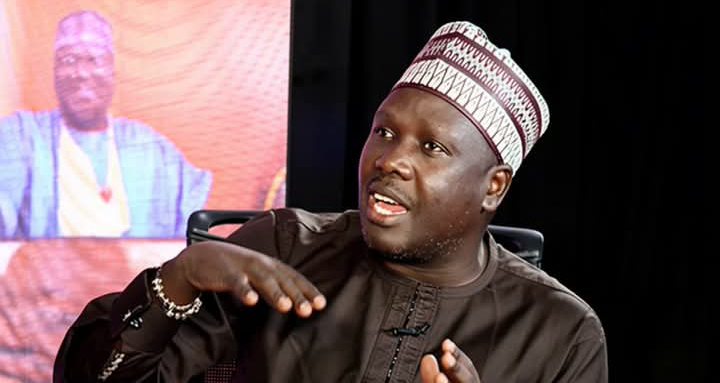
As political activities gradually gather momentum ahead of Nigeria’s 2027 general elections, the African Democratic Congress (ADC) has announced the nomination of Hon. Bello Ambarura, a serving member of the House of Representatives, as its deputy governorship candidate for the Sokoto State governorship election.
Ambarura will contest alongside the party’s governorship candidate, Mansur Muhammad Dan’Iya, in what political observers describe as an early strategic move by the ADC to strengthen its campaign structure and broaden its appeal across Sokoto State.
The announcement marks one of the earliest formal deputy governorship nominations in the state ahead of the 2027 elections, signaling the party’s determination to position itself as a credible alternative in a political landscape historically dominated by the Peoples Democratic Party (PDP) and the All Progressives Congress (APC).
ADC Begins Early Preparations for 2027
The African Democratic Congress has intensified preparations for the 2027 electoral cycle by unveiling key members of its proposed governorship ticket well ahead of the official campaign period expected to be announced by the Independent National Electoral Commission (INEC).
Party officials say the selection of Hon. Bello Ambarura reflects the ADC’s commitment to presenting candidates with legislative experience, grassroots political networks, and public service credentials.
Although the party has yet to release a comprehensive campaign manifesto, political stakeholders believe the early unveiling of its ticket is intended to strengthen internal party organization, mobilize supporters, and increase visibility before campaigns officially commence.
Who Is Bello Ambarura?
Hon. Bello Ambarura currently serves as a member of Nigeria’s House of Representatives, representing his federal constituency from Sokoto State.
During his legislative career, he has participated in debates on governance, constituency development, infrastructure, education, and youth empowerment. His political experience and familiarity with grassroots mobilization are expected to complement the governorship campaign of Mansur Muhammad Dan’Iya.
Political analysts note that Ambarura’s nomination could help the ADC expand its support base among voters seeking alternative political platforms ahead of the 2027 elections.
Building a Competitive Ticket
The choice of a deputy governorship candidate is often regarded as one of the most significant decisions in Nigerian politics. Beyond constitutional requirements, deputy governorship nominees are expected to provide regional balance, political experience, electoral strength, and governance capacity.
Observers say the pairing of Mansur Muhammad Dan’Iya with Bello Ambarura appears designed to combine executive ambition with legislative experience.
While the ADC remains a smaller political party compared to Nigeria’s dominant parties, it has continued efforts to expand its influence nationally through coalition-building, grassroots engagement, and strategic candidate selection.
The Sokoto governorship race is expected to attract considerable national attention as parties begin positioning themselves ahead of the next election cycle.
Sokoto’s Political Importance
Sokoto State remains one of Nigeria’s most politically influential states, particularly in the North-West geopolitical zone. The state has historically played an important role in national politics and has produced several influential political leaders.
Governorship contests in Sokoto have traditionally been highly competitive, with issues such as security, agriculture, education, healthcare, infrastructure, youth employment, and economic development dominating campaign conversations.
As preparations for the 2027 elections continue, political parties are expected to intensify consultations, recruit new members, and unveil policy proposals aimed at addressing the state’s development priorities.
Focus Shifts to Policy and Governance
Although campaigns have not officially begun, political observers argue that voters are increasingly demanding issue-based politics rather than personality-driven campaigns.
Analysts believe candidates seeking public office will be expected to present practical solutions to challenges including unemployment, rural development, healthcare delivery, education reform, agricultural productivity, and improved infrastructure.
For the ADC, presenting a governorship ticket early provides an opportunity to engage communities, articulate policy priorities, and build public confidence before the official election season.
Awaiting INEC Timetable
Nigeria’s Independent National Electoral Commission (INEC) has not yet released the official timetable for the 2027 governorship election campaigns.
Under Nigeria’s Electoral Act, political parties are expected to comply with established guidelines governing nominations, campaigns, and electoral conduct.
Political observers caution that while early political alignments are becoming more common, formal campaign activities remain subject to INEC regulations.
As the electoral process unfolds, parties will continue to refine their strategies while voters assess the competence, experience, and policy direction of prospective candidates.
Looking Ahead
The nomination of Rep. Bello Ambarura as the African Democratic Congress deputy governorship candidate represents another significant development in Sokoto’s evolving political landscape ahead of the 2027 elections.
Whether the ADC can translate its early preparations into broad electoral support remains to be seen. However, the announcement underscores the growing competition expected among political parties as Nigeria moves closer to another democratic transition.
For voters in Sokoto State, the coming months are likely to feature increased political consultations, policy debates, and public engagement as parties seek to convince citizens that they possess the vision and leadership required to govern effectively.
As always, the credibility of Nigeria’s democratic process will depend not only on political competition but also on peaceful campaigns, issue-based engagement, and adherence to electoral laws by all stakeholders.
Sources:
- African Democratic Congress (ADC) official communications
- Independent National Electoral Commission (INEC)
- Premium Times Nigeria
- Daily Trust
- Punch Newspapers
- Vanguard Nigeria
- Channels Television