Reported by Weng Patrick Atokor | Journalist at Weng Global
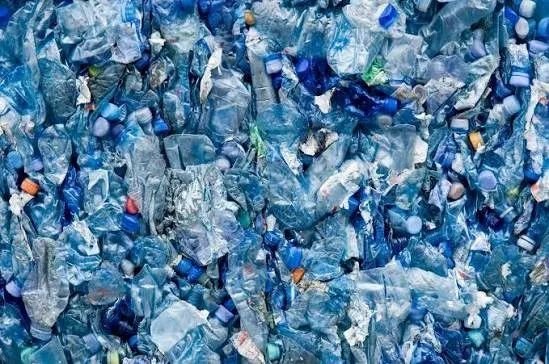
Rite Foods Limited has announced that it successfully recovered and recycled more than 858 tonnes of plastic waste in 2025, reinforcing its commitment to environmental sustainability, circular economy principles, and responsible corporate citizenship.
The company said the milestone demonstrates its determination to reduce plastic pollution while contributing to cleaner communities, healthier ecosystems, and improved waste management practices across Nigeria.
The achievement forms part of Rite Foods’ broader Environmental, Social, and Governance (ESG) strategy, which seeks to minimize the environmental footprint of its operations while creating shared value for communities and stakeholders.
Driving a Circular Economy
Plastic waste remains one of Nigeria’s most pressing environmental challenges. Millions of tonnes of plastic are generated annually, with a significant portion ending up in drainage systems, rivers, landfills, and the Atlantic Ocean.
Through its recovery initiative, Rite Foods said it is helping to divert large volumes of plastic from the environment by ensuring used plastic packaging is collected, sorted, and recycled into new products instead of becoming pollution.
The company noted that circular economy initiatives extend the lifespan of materials through reuse and recycling, reducing dependence on virgin plastics while conserving natural resources.
According to the company, recovering more than 858 tonnes of plastic waste represents another step toward creating a more sustainable packaging ecosystem in Nigeria.
Supporting Marine Conservation
Beyond reducing landfill waste, the recycling initiative also contributes to protecting Nigeria’s marine environment.
Improperly disposed plastic waste often finds its way into rivers and coastal waters, threatening aquatic life, contaminating ecosystems, and affecting fishing communities.
By increasing plastic recovery rates, Rite Foods said it is helping prevent waste from reaching waterways and oceans, thereby supporting biodiversity conservation and healthier marine ecosystems.
Environmental experts have repeatedly warned that unchecked plastic pollution poses long-term risks to wildlife, food security, tourism, and public health.
The company’s efforts therefore align with wider global campaigns aimed at reducing plastic leakage into oceans.
Partnership-Based Waste Recovery
Rite Foods explained that its recycling programme is implemented through partnerships with waste collection organisations, recyclers, environmental groups, and community stakeholders.
Such collaborations strengthen collection networks, improve recycling efficiency, and encourage responsible disposal practices among consumers.
The company emphasized that addressing plastic pollution requires collective action involving manufacturers, governments, recycling firms, civil society organisations, and the public.
Through these partnerships, recovered plastic materials are processed and returned into productive use, reducing waste while supporting recycling businesses and creating employment opportunities within the circular economy.
Commitment to ESG Goals
Environmental sustainability has increasingly become a core component of corporate strategy for leading manufacturers worldwide.
For Rite Foods, responsible environmental management forms part of a broader ESG framework covering environmental protection, social impact, ethical governance, and sustainable business practices.
The company stated that integrating sustainability into its operations helps ensure long-term value creation while responding to growing consumer expectations for environmentally responsible products.
Its environmental initiatives include promoting responsible resource use, improving waste recovery systems, and encouraging recycling across its value chain.
Reducing Environmental Footprint
Manufacturing companies continue to face increasing pressure to reduce emissions, improve resource efficiency, and minimize waste generated through production and packaging.
By investing in recycling programmes, Rite Foods aims to lessen the environmental impact associated with plastic packaging while encouraging more sustainable consumption patterns.
Industry observers note that plastic recovery programmes not only reduce pollution but also decrease the demand for new plastic production, helping conserve fossil fuel resources used in manufacturing virgin plastics.
Such initiatives are becoming increasingly important as governments around the world introduce stricter environmental regulations and sustainability reporting requirements.
Consumer Awareness
The company also stressed the importance of consumer participation in achieving meaningful environmental outcomes.
Proper disposal of used plastic bottles, participation in collection schemes, and support for recycling initiatives remain essential to improving recovery rates nationwide.
Environmental advocates argue that public awareness campaigns can significantly increase recycling participation and reduce indiscriminate dumping of waste.
Rite Foods said it remains committed to promoting environmental consciousness while encouraging Nigerians to embrace responsible waste disposal habits.
Economic Benefits of Recycling
Beyond environmental protection, recycling contributes significantly to economic development.
Recovered plastics provide raw materials for recycling industries, helping reduce production costs and supporting manufacturing activities.
The recycling value chain also creates employment opportunities for waste collectors, transporters, sorting facilities, recycling companies, and small businesses involved in waste management.
Experts say expanding Nigeria’s recycling sector could generate thousands of additional jobs while reducing pressure on landfill sites.
Aligning with Global Sustainability Targets
The company’s recycling achievement aligns with international efforts to achieve the United Nations Sustainable Development Goals (SDGs), particularly those relating to responsible consumption and production, climate action, and life below water.
Governments, businesses, and development partners continue to promote circular economy solutions as an effective response to growing waste management challenges.
Corporate investment in recycling infrastructure is increasingly viewed as essential for building resilient and sustainable economies.
By recovering over 858 tonnes of plastic waste in 2025, Rite Foods joins a growing number of organisations seeking to integrate environmental stewardship into business operations.
Looking Ahead
As Nigeria continues to grapple with rising plastic consumption, experts believe greater collaboration between manufacturers, policymakers, waste managers, and consumers will be necessary to achieve meaningful progress.
Rite Foods said it intends to sustain its environmental initiatives while exploring additional opportunities to improve plastic recovery, promote recycling, and contribute to cleaner communities.
The company expressed optimism that continued investment in sustainable practices would strengthen environmental resilience, support circular economy development, and inspire broader industry participation.
With environmental sustainability becoming an increasingly important measure of corporate performance, initiatives such as large-scale plastic recovery are expected to play a growing role in shaping Nigeria’s transition toward a greener and more resource-efficient economy.
Sources:
- Rite Foods Limited
- Nigerian Conservation Foundation (NCF)
- United Nations Environment Programme (UNEP)