Reported by Weng Patrick Atokor | Journalist at Weng Global
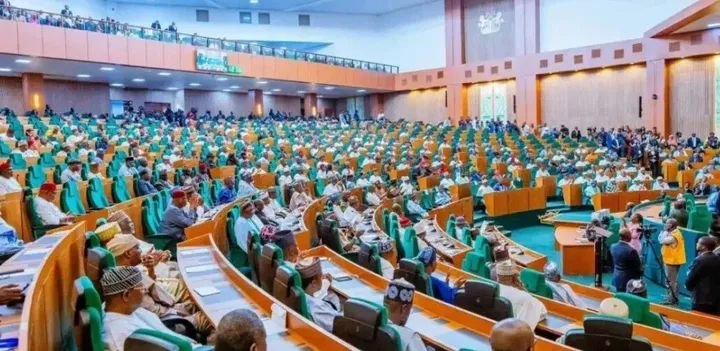
The House of Representatives has commenced an investigation into the alleged failure of the Central Bank of Nigeria (CBN) and the Nigerian National Petroleum Company Limited (NNPCL) to remit approximately N5.3 trillion in operating surplus to the Federation Account, intensifying legislative scrutiny over public revenue management and fiscal accountability.
The investigation, spearheaded by the House Committee on Public Accounts, follows concerns raised by findings in the Auditor-General’s reports and other financial records indicating that significant revenues generated by government-owned institutions may not have been transferred to the national treasury as required by law.
Lawmakers say the probe is aimed at determining whether the agencies complied with existing financial regulations governing the remittance of operating surpluses and ensuring that all public revenues due to the Federation Account are properly accounted for.
Revenue Accountability Under the Spotlight
The House Committee on Public Accounts noted that government-owned enterprises are legally required under the Fiscal Responsibility Act and other financial regulations to remit a substantial portion of their operating surplus to the Federal Government after meeting approved operational expenses.
According to lawmakers, preliminary reviews of audited financial statements revealed discrepancies involving billions—and eventually trillions—of naira that were expected to have been paid into government coffers.
The committee expressed concern that failure to remit such funds could have significant implications for Nigeria’s fiscal position, especially at a time when the government is seeking additional revenue to finance infrastructure projects, healthcare, education, security, and debt obligations.
Committee members stressed that transparency and accountability remain essential to rebuilding public confidence in the management of national resources.
CBN, NNPCL Invited to Explain
As part of the investigation, senior officials of both the Central Bank of Nigeria and the Nigerian National Petroleum Company Limited have been invited to appear before the committee to explain the financial records and provide documentary evidence regarding the alleged outstanding remittances.
Lawmakers indicated that the investigation would examine audited financial statements, revenue records, operational expenditures, statutory deductions, and remittance schedules covering the relevant fiscal years.
The committee emphasized that the exercise is not intended to presume wrongdoing but to establish facts and ensure compliance with the law.
Officials are expected to clarify whether the alleged unremitted operating surplus resulted from accounting adjustments, statutory exemptions, unresolved audit observations, or administrative lapses.
Why Operating Surplus Matters
Operating surplus represents the amount remaining after a government-owned enterprise deducts its legitimate operating expenses from total revenue.
Under Nigeria’s Fiscal Responsibility Act, many government corporations are required to remit a significant percentage of this surplus into the Consolidated Revenue Fund to support national development and public spending.
Financial experts argue that timely remittance strengthens government revenue generation, reduces dependence on borrowing, and improves fiscal sustainability.
Where remittances are delayed or withheld without legal justification, the Federal Government may experience funding shortfalls that affect budget implementation.
Growing Legislative Oversight
The current investigation forms part of broader efforts by the National Assembly to strengthen oversight of government agencies and improve accountability in public finance.
In recent years, lawmakers have intensified investigations into the financial operations of several Ministries, Departments, and Agencies (MDAs), citing concerns over unaccounted revenues, audit infractions, and weak compliance with financial regulations.
The Public Accounts Committee has repeatedly stated that enforcing financial discipline among public institutions is essential to improving governance and ensuring taxpayers receive value for public resources.
The committee also reaffirmed its commitment to working with relevant oversight institutions, including the Office of the Auditor-General for the Federation, to recover any funds found to be outstanding.
Fiscal Challenges Facing Nigeria
Nigeria continues to face mounting fiscal pressures driven by rising debt servicing obligations, subsidy-related expenditures in previous years, exchange rate adjustments, and growing demands for social investment.
The Federal Government has consistently emphasized the need to expand domestic revenue generation while improving efficiency in tax administration and public financial management.
Experts believe that ensuring full remittance of operating surpluses by government-owned enterprises could provide additional fiscal space for capital projects without increasing the country’s debt burden.
The investigation therefore comes at a critical period as the government seeks sustainable sources of revenue to finance economic reforms.
Experts Call for Greater Transparency
Public finance analysts have welcomed the House investigation, describing it as an opportunity to strengthen transparency in the management of public institutions.
According to governance experts, regular publication of audited accounts, timely submission of financial statements, and strict enforcement of remittance obligations are essential for improving investor confidence and public trust.
They argue that stronger accountability mechanisms will help ensure government-owned enterprises operate efficiently while contributing their fair share to national development.
Analysts also recommend greater collaboration between the National Assembly, the Fiscal Responsibility Commission, the Auditor-General’s Office, and anti-corruption agencies to enhance compliance with financial regulations.
CBN and NNPCL Yet to Respond Publicly
At the time of filing this report, neither the Central Bank of Nigeria nor the Nigerian National Petroleum Company Limited had issued detailed public statements addressing the allegations surrounding the reported N5.3 trillion operating surplus.
Both institutions are expected to present their positions during the ongoing legislative proceedings.
The outcome of the investigation could determine whether further administrative actions, financial recoveries, or policy recommendations will be made to strengthen accountability across government-owned enterprises.
Implications for Public Finance
Should the investigation establish that outstanding operating surpluses were not remitted as required, the findings could influence future reforms in Nigeria’s public financial management system.
Experts note that improved compliance would enhance government revenue, strengthen budget implementation, reduce fiscal leakages, and reinforce confidence in public institutions.
The House of Representatives has reiterated that the investigation is intended to protect public resources and ensure that every agency entrusted with national assets operates within the framework of the law.
As proceedings continue, Nigerians will be watching closely to see whether the probe leads to improved transparency, stronger financial accountability, and reforms capable of enhancing the country’s revenue performance.
Sources:
- House of Representatives Committee on Public Accounts
- Fiscal Responsibility Act, 2007
- Office of the Auditor-General for the Federation
- Central Bank of Nigeria (CBN)
- Nigerian National Petroleum Company Limited (NNPCL)