Reported by Weng Patrick Atokor l Journalist at Weng Global
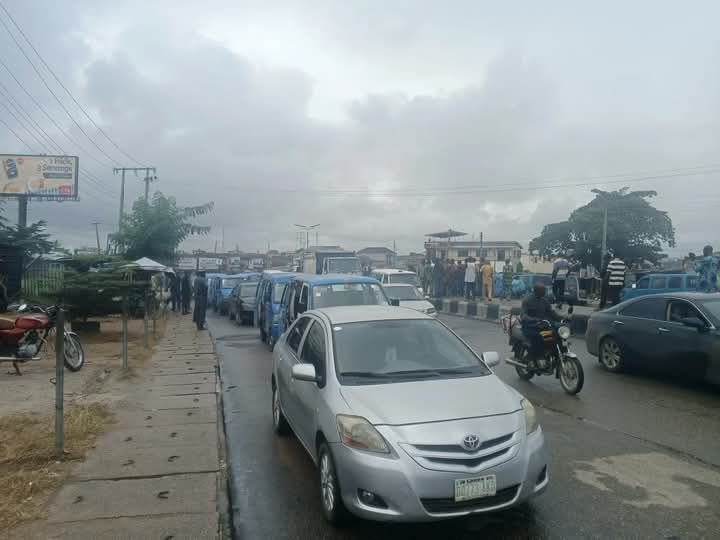
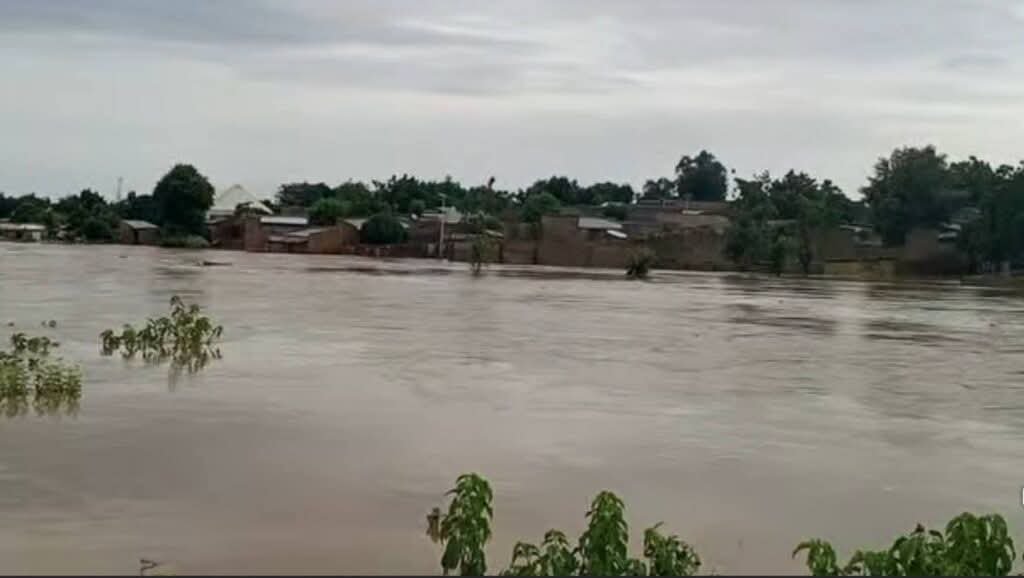
Residents of Oke-Afa community in Magboro, Obafemi Owode Local Government Area of Ogun State, have appealed to the state government to urgently address persistent flooding and deteriorating road infrastructure, saying the conditions have disrupted movement, affected livelihoods and exposed residents to safety risks for several years.
The residents said the poor condition of the roads becomes particularly severe during the rainy season, when floodwater covers sections of the community and makes transportation difficult for motorists, commercial motorcyclists, pedestrians and schoolchildren.
The latest complaints have renewed concerns about infrastructure development and flood management in the Magboro axis, where residents have repeatedly called for government intervention.
However, the Ogun State Government has attributed part of the community’s vulnerability to its geographical location, describing Oke-Afa as a naturally low-lying floodplain that presents challenges for road construction, drainage infrastructure and physical development.
The government’s response highlights the need for a comprehensive approach that addresses both the condition of the roads and the environmental factors contributing to recurring flooding.
Residents Describe Years of Infrastructure Challenges
Residents who spoke to Punch Metro said the community had struggled with poor road infrastructure for decades, despite repeated appeals to the authorities.
One resident, Omoniyi Familola, said Oke-Afa had not enjoyed adequate road infrastructure for approximately 25 years.
He attributed the recurring flooding partly to the movement of rainwater into the community, explaining that the situation becomes particularly difficult between June and August.
According to him, flooding during the rainy season affects residents’ ability to move around and creates difficulties for parents trying to take their children to school.
He also raised concerns about the possibility of dangerous reptiles, including snakes, being carried into residential areas by floodwater.
Familola said community representatives, including the Community Development Association and Community Development Committee, had made several efforts to draw the government’s attention to their challenges.
He added that the community’s difficulties had previously received media attention, including coverage by Channels Television.
The residents’ complaints reflect concerns that extend beyond transportation, particularly where flooding affects access to homes, schools, businesses and other essential services.
Residents Resort to Self-Help Road Repairs
Another resident, identified as Odunsi, who said he had lived in the community for nearly 20 years, blamed part of the road deterioration on the movement of heavy-duty vehicles.
He specifically mentioned trucks and tippers transporting sand and granite through the area, saying their movement had contributed to the deterioration of the roads.
Odunsi explained that residents sometimes contribute money to fill damaged sections and make the roads temporarily accessible.
His account illustrates the financial burden placed on community members who have had to undertake repairs themselves despite their expectations of government-provided infrastructure.
Similarly, Adebijo Omowunmi described the situation as distressing, particularly during periods of heavy rainfall.
She said floodwater frequently submerges sections of the roads, making it difficult for residents to identify drainage channels and navigate their surroundings safely.
Omowunmi appealed to the state government to visit the community and provide a lasting solution rather than allowing residents to continue dealing with recurring infrastructure problems.
A Community Development Association chairman, who identified himself simply as Mr Ahmed, also said residents had repeatedly appealed for road rehabilitation since he moved into the community in 2005.
According to Ahmed, schoolchildren and adults have fallen into damaged sections of the roads, while vehicles sometimes struggle to navigate certain routes.
He added that residents spend millions of naira annually on grading and maintaining the roads, but the improvements are often temporary because the underlying problems remain unresolved.
Punch Newspapers
Ogun Government Explains Oke-Afa’s Flooding Challenges
Responding to the complaints, the Ogun State Government acknowledged concerns raised by residents of Oke-Afa and surrounding communities in Magboro.
The Special Adviser to Governor Dapo Abiodun on Media and Strategy, Kayode Akinmade, said the community’s geographical characteristics contribute significantly to its vulnerability to flooding.
He described Oke-Afa as a naturally low-lying floodplain, explaining that its location makes the area particularly susceptible to flooding during periods of heavy rainfall.
According to Akinmade, the environmental conditions create challenges for road construction, drainage infrastructure and physical development.
He said sustainable development in areas with such geographical characteristics requires proper land-use planning, sufficient drainage infrastructure and compliance with building regulations.
The government also disclosed that it had undertaken flood-mitigation interventions in the wider Magboro axis, including the dredging of Oke-Afa Stream.
The intervention, according to Akinmade, was intended to improve water flow and reduce flooding in the surrounding communities.
However, the government did not announce a specific completion date or construction schedule for the road rehabilitation requested by Oke-Afa residents.
On the possibility of rehabilitating the affected roads, Akinmade explained that project scheduling depends on technical assessments, government priorities, funding availability and administrative considerations.
He maintained that road construction without adequate drainage and water-management infrastructure could provide only temporary improvements.
This position suggests that the government considers drainage management an important part of any sustainable road rehabilitation programme in the community.
Allegations of Diverted Drainage Water Require Investigation
Another concern raised by residents involves allegations that water from other areas is being channelled into Oke-Afa, worsening the community’s flooding problems.
Such concerns have featured in previous complaints about infrastructure and drainage development in the wider Magboro area.
However, the state government said the allegations require proper technical investigation before any conclusions can be reached.
Akinmade explained that relevant authorities would need to examine natural waterways, existing drainage channels and adjoining developments to determine whether unauthorised alterations had affected the natural movement of water.
The government’s response leaves the question of possible drainage interference unresolved.
An independent technical assessment could help establish whether the flooding is primarily associated with the area’s natural topography, inadequate drainage capacity, changes to surrounding developments or a combination of these factors.
Establishing the actual causes would be important in determining the most effective interventions.
The government also urged property owners in flood-prone locations to comply with building regulations, including raising building foundations and floor levels to minimise the risk of flood damage.
While such measures may help reduce exposure to floodwater, they do not independently resolve the broader infrastructure challenges affecting public roads and drainage systems.
Oke-Afa’s Infrastructure Problems Have a Long History
The latest complaints are not the first time residents of Oke-Afa and neighbouring communities have called attention to their infrastructure difficulties.
In July 2024, the Oke-Afa Area Community Development Committee appealed to Governor Dapo Abiodun to address the condition of roads serving Oke-Afa, Ilupeju, Olowofela, Kajola and other parts of Magboro.
The committee said residents had experienced property losses, vehicle damage and transportation difficulties because of deteriorating roads and recurring flooding.
In its appeal, the community also raised concerns about the limited road access connecting the area to the Lagos-Ibadan Expressway.
The committee called for the construction of a standard access road and a bridge capable of accommodating floodwater.
Its complaints demonstrated that the infrastructure challenges had remained a major concern for residents over several years.
Further concerns were reported in September 2025, when residents of Ilupeju, Oke-Afa, Kajola and Olowofela complained about poor roads, inadequate healthcare facilities and the absence of other essential public amenities.
That report highlighted the wider development challenges facing communities in the Magboro area, beyond the immediate problem of flooding.
In January 2026, residents and road users along the Oke-Afa/Magboro Road again appealed for urgent rehabilitation, citing vehicle breakdowns, deep potholes and difficult movement, particularly during the rainy season.
At the time, Akinmade said the government was aware of the road’s condition and urged residents to exercise patience, explaining that another road project was already under construction in Magboro and that attention would subsequently be directed to other areas.
The renewed complaints in November 2026 indicate that residents continue to seek more tangible improvements to the roads and drainage infrastructure.
Punch Newspapers +3
Why the Situation Matters to Residents and Local Businesses
The condition of roads and drainage infrastructure in Oke-Afa has implications for residents’ everyday activities and the economic life of the community.
Poor roads increase transportation difficulties, particularly for people who depend on commercial motorcycles, private vehicles and other forms of transport to reach workplaces, schools, markets and healthcare facilities.
For small businesses, difficult access can affect customer movement, deliveries and the cost of transporting goods.
Residents who contribute money towards temporary road repairs also face additional financial pressure, particularly when repeated rainfall damages previously repaired sections.
Flooding presents further risks because submerged roads can conceal potholes, open drainage channels and other hazards.
Where floodwater enters residential areas, it can also damage household property and create conditions that expose residents to additional environmental and public-health concerns.
The challenges facing Oke-Afa therefore extend beyond the appearance of damaged roads. They involve access to essential services, household finances, public safety and the ability of businesses to operate effectively.
For a growing community, reliable road connections and functioning drainage systems are important components of sustainable development.
The situation also raises broader questions about how infrastructure projects are planned in areas with difficult environmental conditions.
Road construction in flood-prone locations requires more than simply filling potholes or laying asphalt. It requires appropriate drainage design, adequate water channels and engineering assessments that account for rainfall and the movement of water.
Without these measures, newly repaired roads could deteriorate again when exposed to recurring flooding.
Residents Await Concrete Government Intervention
Although the Ogun State Government has acknowledged the community’s concerns and identified ongoing flood-mitigation efforts, residents are still seeking a clear commitment to rehabilitating the affected roads.
The absence of a specific timeline for the proposed road intervention remains an important concern, particularly given the length of time residents say they have endured the problem.
A sustainable response would require coordination between the relevant state ministries, environmental authorities, local government officials and community representatives.
Such an approach could include a comprehensive assessment of the road network, drainage capacity, natural waterways and developments contributing to changes in water movement.
It would also help establish the scale of the required investment and identify priority locations for intervention.
For residents, the immediate expectation is that government recognition of the problem should translate into practical improvements.
The community’s repeated appeals, together with the government’s acknowledgement of its environmental challenges, have placed renewed attention on the need for a lasting solution.
Until meaningful improvements are delivered, residents of Oke-Afa will continue to face the difficulties associated with damaged roads and recurring flooding.
The central challenge for the Ogun State Government is to develop an infrastructure solution that addresses the area’s geographical realities while ensuring that residents have safer roads, effective drainage and reliable access to essential services.
Weng Global – Stories beyond borders
Sources
- Punch Newspapers – Residents Lament as Flooding, Bad Roads Cripple Ogun Community (November 19, 2026)
- Punch Newspapers – Residents Demand Repair of Deplorable Ogun Community Road (January 13, 2026)
- Punch Newspapers – Residents Decry Poor Roads, Deplorable Health Centre in Ogun Communities (September 5, 2025)
- The Guardian – Ogun Residents Lament Bad Roads, Urge Abiodun to Fulfil Promise (July 30, 2024)
- Punch Newspapers – Ogun Community Laments Bad Roads, Begs Abiodun to Intervene (July 27, 2024)