Reported by Simon Daniel Yusuph l Journalist at Weng Global
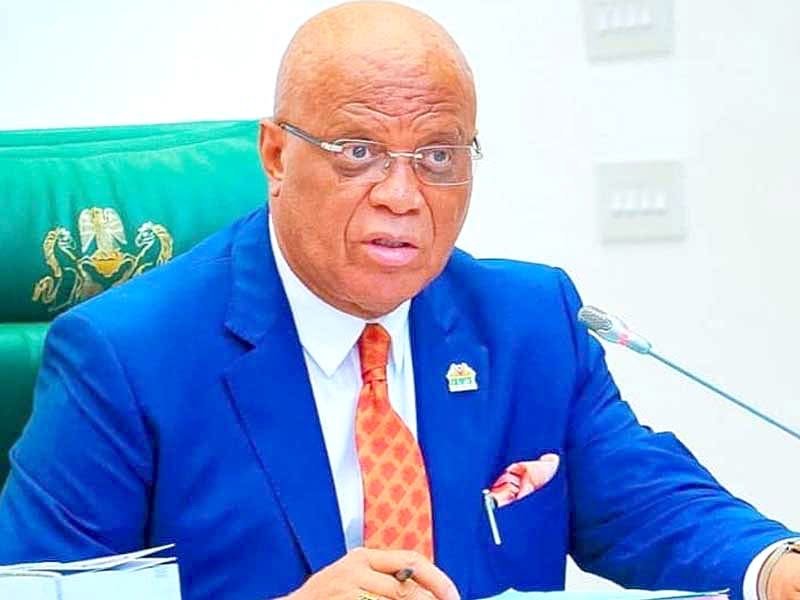
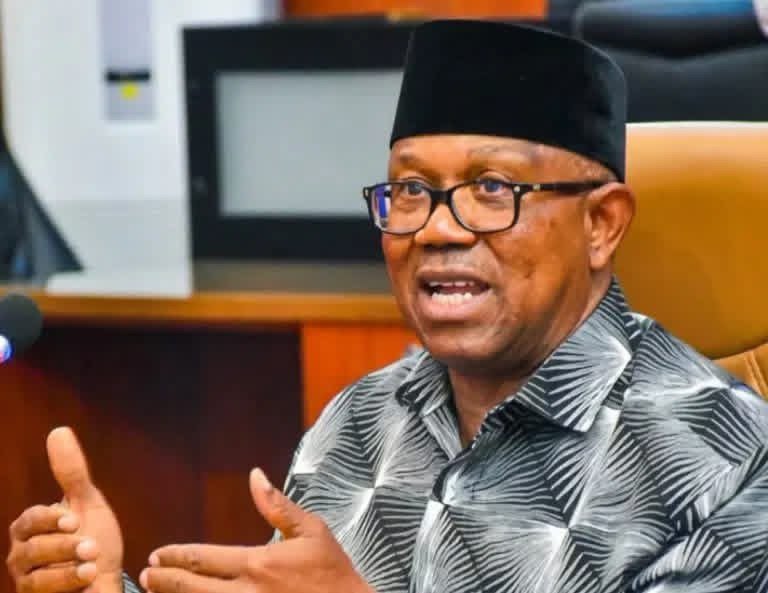
The media office of Peter Obi, presidential candidate of the Nigeria Democratic Congress (NDC), has urged Anambra State Governor Chukwuma Soludo to stop what it described as “chasing shadows” and concentrate on governance after the state government called on voters to reject Obi ahead of the 2027 presidential election.
The response, issued on Monday by Peter Obi Media Reach (POMR) spokesman Idris Zekeri Jnr., followed a political message from the Anambra State Government accusing the former governor of working against the All Progressives Grand Alliance (APGA), the party under which he governed the state.
The exchange has added another layer to the increasingly public political differences between Obi and Soludo as Nigeria moves towards the 2027 general election.
Anambra Government Calls on Voters to Reject Obi
The dispute escalated after the Anambra State Government, through its official X account managed by the New Media office of Governor Soludo, urged APGA supporters and other voters to reject Obi and the NDC in the 2027 presidential election.
In a message titled “A Betrayal Alert for Ndi APGA,” the government accused Obi of seeking to undermine the party since leaving it in 2014.
The government alleged that Obi had worked against APGA while claiming that President Bola Tinubu had previously supported the party.
It urged APGA members to defend the party and resist Obi’s presidential bid under the NDC.
The statement represents a direct political intervention by the Anambra State Government against a former governor of the state who remains a prominent national political figure.
Obi governed Anambra from 2006 to 2014 and later moved through the Peoples Democratic Party and Labour Party before becoming the NDC’s presidential candidate for the 2027 election.
Obi’s Camp Accuses Soludo of Political Distraction
Reacting to the state government’s position, Zekeri described the campaign against Obi as an unnecessary political distraction.
He urged political, religious and traditional leaders in Anambra to encourage Soludo to concentrate on the responsibilities of governing the state rather than engaging in political exchanges with his predecessor.
Obi’s media office also questioned the amount of attention it said the governor had devoted to the former governor.
According to the statement, the focus of the state government should instead be on issues affecting residents, including infrastructure, flooding, public spending, education, erosion, roads and waste management.
Those criticisms are allegations made by Obi’s camp and were not independently established in the material reviewed for this report.
The Anambra State Government’s response to the specific allegations raised by POMR was not included in the report on the statement.
Flooding and Infrastructure Become Part of the Dispute
The Obi camp broadened its response beyond the immediate political disagreement, raising questions about the state’s preparedness for flooding and other environmental challenges.
Zekeri referred to recent discussions concerning disaster preparedness and alleged that warnings from the Nigerian Meteorological Agency had not received sufficient attention from the state authorities.
The statement also raised concerns about roads, erosion and urban development.
POMR recalled that during Obi’s administration, the state worked with UN-Habitat on master and structural plans for major cities, including Onitsha. The organisation alleged that the current administration had not built sufficiently on those plans.
The claims form part of the broader political argument between the two camps over which administration has delivered more effectively for Anambra residents.
Because the claims concern the performance of a sitting government, they require independent examination against official budget records, project documents, development indicators and other verifiable evidence.
Obi Camp Raises Questions Over State Performance
POMR also challenged the Soludo administration over what it described as changes in Anambra’s economic and development performance.
The media office referenced the Phillips Consulting State Performance Index and claimed that Anambra had moved from first position during Obi’s tenure to 27th under the current administration.
The claim was presented by Obi’s camp as evidence of what it considers a deterioration in the state’s performance.
However, rankings depend on the methodology, indicators and period examined. A meaningful assessment would therefore require checking the underlying index and comparing the relevant editions before drawing a definitive conclusion about the state’s overall performance.
The Obi camp also compared the monthly federal allocations available during Obi’s administration with the much larger allocations it said were available to the present government.
It claimed Obi operated with an average monthly allocation of about ₦3 billion, while the current administration had access to approximately ₦25 billion per month.
Again, those figures are claims made by POMR and should be assessed against official federal allocation records and the applicable periods before being treated as independently verified figures.
Dispute Extends to Education and Waste Management
The political response also touched on education.
POMR questioned the current administration’s performance in tertiary institution infrastructure and referenced examination performance under the National Examinations Council.
The organisation further criticised the government’s handling of waste management, erosion and roads.
The statement presented these issues as examples of areas where the Soludo administration should direct its attention.
For residents, however, the significance of such claims ultimately depends on measurable outcomes, including government expenditure, completed projects, service delivery indicators and independently verifiable development data.
Allegations of Online Campaign Against Obi
Another significant allegation from Obi’s camp concerned the use of online political operatives.
POMR alleged that the Anambra State Government had mobilised more than 500 online operatives to attack Obi and was considering expanding the network to about 1,000.
It further claimed that participants were allegedly being offered opportunities connected to state engagements based on their online activities.
The allegations were not independently substantiated in the material reviewed for this report.
The state government had also not provided a response to those specific claims at the time of the reported statement.
Such allegations are politically sensitive because the use of public resources for partisan activity, if established, would raise questions about government accountability and the appropriate separation between state administration and electoral politics.
Political History Behind the Dispute
The latest confrontation is rooted in a longer political relationship between Obi and Soludo, two prominent figures from Anambra’s political landscape.
Obi became governor under APGA and served until 2014. He subsequently left the party and joined the PDP.
He later became the Labour Party’s presidential candidate in the 2023 election, before subsequently moving into a new political alignment ahead of the 2027 contest.
Soludo, meanwhile, became governor of Anambra in 2022 after winning the governorship election on the APGA platform.
The two men have periodically disagreed over issues relating to Obi’s record in office, Anambra’s finances and the direction of the state.
Their latest dispute is occurring in a particularly important political period because Obi is seeking the presidency again, while APGA remains a major political force in Anambra.
Earlier Dispute Over Anambra’s Finances
The current political exchange also follows disagreements over financial obligations associated with projects undertaken during previous administrations.
Recent reporting said Anambra officials had questioned the state’s outstanding obligations from previous administrations, including the period when Obi was governor.
Obi rejected the characterisation of the liabilities attributed to his administration, arguing that some of the amounts described as loans were connected to World Bank and International Fund for Agricultural Development programmes negotiated by the Federal Government and accessed by participating states through subsidiary arrangements.
The former governor has also disputed claims that he left unpaid obligations when he left office.
The Anambra Government, however, has maintained a different position and previously cited an external debt figure of $123.77 million associated with Obi’s tenure.
The competing positions demonstrate why the financial dispute requires examination of official debt records, loan agreements, project documents and audited accounts rather than political statements alone.
Why the 2027 Election Matters
The dispute is significant beyond the personal and political differences between two prominent Anambra figures.
Obi is seeking the Nigerian presidency in 2027, making his political standing in Anambra an important part of his national campaign.
Anambra is widely regarded as a key political base for Obi because of his record as governor and the strong support he received in the state during the 2023 presidential election.
For APGA, meanwhile, maintaining its influence in Anambra remains strategically important because the party has historically built much of its political identity around the state.
The confrontation therefore carries implications for both sides.
Obi’s camp has an interest in demonstrating that he retains grassroots support in his home state, while APGA and the Soludo administration have an interest in consolidating the party’s political base ahead of the 2027 elections.
Obi Camp Points to Public Support
In its response, POMR cited public receptions involving Obi as evidence that he continues to command grassroots attention in parts of Anambra.
The media office referred to receptions at Nnewi Cathedral and the coronation of the Igwe of Adazi-Ani.
Such events may demonstrate public visibility or support, but they do not by themselves establish electoral outcomes.
Ultimately, the strength of Obi’s support in Anambra will be tested through voter mobilisation, campaign organisation and, eventually, ballots cast in the 2027 election.
NDC Also Pushes Back Against Soludo
The confrontation has not been limited to Obi’s personal media office.
The NDC’s Director of New Media and Strategic Communications, Theo Abu Agada, also criticised the Anambra Government’s position.
Agada argued that the state government’s attack reflected concern over Obi’s popularity and said the NDC expected to perform strongly in Anambra in 2027.
The NDC’s position adds another dimension to the dispute, turning the exchange from a disagreement between two Anambra political figures into an emerging contest between the governing political structure in the state and a presidential opposition movement.
The claims by both sides, however, remain political positions and should be distinguished from independently verifiable evidence about voter preferences.
What Happens Next
The immediate issue is likely to remain part of the wider political contest ahead of the 2027 presidential election.
The Anambra Government is expected to continue defending APGA’s political position in the state, while Obi and the NDC are likely to campaign on Obi’s record as a former governor and his national political platform.
Further disagreements could also emerge over Anambra’s finances, infrastructure, development performance and Obi’s record in office.
For voters, the central question will be whether the competing political claims are supported by evidence.
Rather than relying solely on accusations and counter-accusations, voters will ultimately be able to assess the competing records through official financial documents, project completion records, development indicators, public expenditure and the policy programmes presented by the candidates.
The growing exchange between Soludo’s administration and Obi’s camp therefore signals that Anambra is likely to remain an important battleground in the political conversation leading to 2027.
For Weng Global, the key distinction remains clear: allegations from either political camp should be treated as claims until supported by independently verifiable evidence.
Weng Global – stories beyond borders
Sources
- Vanguard News
- Tribune Online
- Politics Nigeria
- Daily Times Nigeria