Reported by Simon yusuph,| Journalist at wengglobal
Lawmakers Intensify Oversight as Key Government Agencies Face Questions Over Unaccounted Public Funds
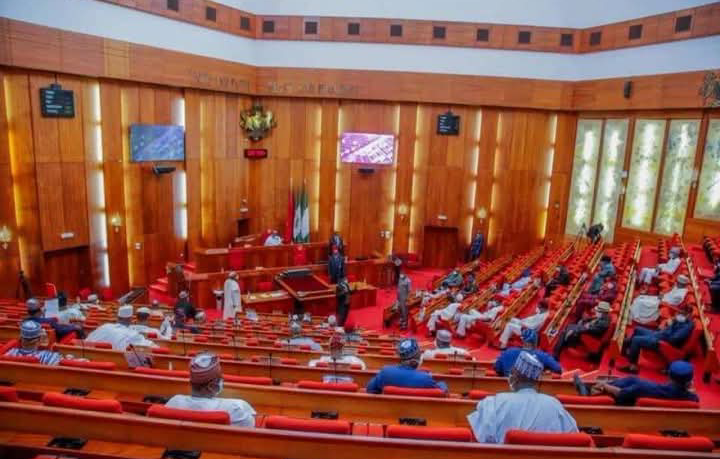
The Nigerian Senate has intensified its oversight of public finances by resolving to summon the Central Bank of Nigeria (CBN), the Nigerian National Petroleum Company Limited (NNPCL), and more than 40 Ministries, Departments, and Agencies (MDAs) over alleged failures to properly account for public revenue.
The decision marks one of the most significant parliamentary accountability exercises in recent years, reflecting growing concerns about transparency, fiscal discipline, and the management of public resources. The move comes amid increasing calls from citizens, civil society organizations, and financial experts for stronger oversight of government institutions responsible for collecting, managing, and remitting public funds.
The Senate’s Public Accounts Committee, which is leading the investigation, is expected to question senior officials from the affected institutions regarding discrepancies identified in audited financial records and revenue remittances. Lawmakers say the probe aims to establish whether public funds were appropriately managed in accordance with Nigeria’s financial regulations and constitutional provisions.
Renewed Push for Fiscal Transparency
According to lawmakers, the investigation forms part of the National Assembly’s constitutional responsibility to ensure accountability in public finance. The Senate emphasized that every government institution entrusted with public resources must provide transparent records and cooperate fully with parliamentary oversight.
The committee reportedly resolved that the affected agencies must appear before lawmakers with comprehensive documentation detailing their financial operations, revenue collections, expenditures, and remittances to the Federation Account where applicable.
Among the institutions expected to appear are the Central Bank of Nigeria, the Nigerian National Petroleum Company Limited, and approximately 40 other federal agencies whose financial records have reportedly raised questions during ongoing reviews of audit reports.
The Senate noted that the exercise is not intended to presume wrongdoing but to verify compliance with established financial management procedures and determine whether public revenues have been properly accounted for.
CBN and NNPCL Under Increased Public Scrutiny
The inclusion of the Central Bank of Nigeria and the Nigerian National Petroleum Company Limited has attracted significant public attention due to the strategic roles both institutions play in Nigeria’s economy.
The CBN serves as the country’s apex monetary authority, managing monetary policy, foreign exchange reserves, and financial sector regulation. Given its central position in the nation’s financial system, lawmakers are expected to seek explanations regarding financial transactions and records highlighted during the audit process.
Similarly, NNPCL remains Nigeria’s largest state-owned energy company and one of the country’s most significant revenue-generating institutions. As global oil prices continue to influence Nigeria’s fiscal performance, transparency surrounding petroleum revenues has remained a recurring subject of national debate.
Over the years, questions regarding revenue remittances from the oil sector have frequently prompted investigations by oversight institutions, anti-corruption agencies, and legislative committees.
Strengthening Legislative Oversight
Financial governance experts have observed that legislative oversight remains an essential pillar of democratic accountability. Under Nigeria’s Constitution, the National Assembly possesses the authority to investigate the management of public funds and ensure compliance with financial laws.
Analysts say regular oversight hearings encourage better financial discipline across government institutions while promoting public confidence in state institutions.
The Senate’s latest action also aligns with broader efforts to improve transparency in public administration, particularly at a time when Nigeria continues implementing economic reforms aimed at increasing government revenue, reducing waste, and improving investor confidence.
Lawmakers have maintained that institutions managing taxpayers’ money must remain accountable to the Nigerian people through transparent reporting and timely submission of financial records.
Importance of Audit Reports
The ongoing investigation is reportedly based on findings contained in reports submitted by the Office of the Auditor-General for the Federation. Audit reports serve as one of the government’s most important accountability mechanisms by identifying irregularities, procedural weaknesses, and possible cases requiring further examination.
Public Accounts Committees traditionally review these reports before inviting affected agencies to provide clarifications or defend their financial practices.
Experts emphasize that audit observations do not automatically establish criminal liability. Instead, they often identify areas where institutions must provide additional explanations, correct administrative lapses, or strengthen internal financial controls.
Should lawmakers identify evidence of financial misconduct, the Senate may recommend further investigations by appropriate anti-corruption and law enforcement agencies.
Calls for Institutional Accountability
Civil society organizations advocating transparency and good governance have repeatedly urged Nigerian authorities to strengthen public financial accountability through effective legislative oversight.
Many governance experts believe stronger institutional transparency could improve public trust while enhancing Nigeria’s ability to attract domestic and foreign investment.
The Senate’s probe is expected to examine whether statutory revenues due to the Federal Government were properly remitted and whether accounting procedures complied with the Fiscal Responsibility Act, Public Procurement Act, Finance Acts, and other relevant financial regulations.
Observers also note that effective accountability measures contribute to more efficient allocation of public resources for infrastructure, healthcare, education, and social development.
Broader Economic Context
The investigation comes as Nigeria continues pursuing fiscal reforms designed to expand government revenue and reduce dependence on borrowing.
The Federal Government has introduced several measures aimed at improving tax administration, increasing non-oil revenue, and strengthening financial management across ministries and agencies.
Against this backdrop, ensuring that every naira generated by public institutions is properly accounted for has become an increasingly important national priority.
Economic analysts argue that transparent revenue management not only strengthens government finances but also improves Nigeria’s international reputation among investors, development partners, and multilateral financial institutions.
What Happens Next?
The affected agencies are expected to appear before the Senate Public Accounts Committee in the coming weeks to respond to lawmakers’ inquiries and submit supporting financial documents.
Depending on the outcome of the hearings, the committee may issue recommendations ranging from administrative reforms and recovery of outstanding revenues to referrals for additional investigations where necessary.
The Senate has reiterated that the objective of the exercise is to safeguard public resources, reinforce accountability, and ensure strict compliance with Nigeria’s financial management laws.
As Nigerians continue demanding greater transparency in governance, the outcome of the revenue probe could shape future reforms aimed at strengthening public financial accountability and reinforcing confidence in government institutions.
The hearings are expected to be closely watched by policymakers, civil society groups, financial experts, and citizens seeking assurances that public institutions remain fully accountable for the nation’s resources.
Sources
- The Punch
- Premium Times Nigeria
- Vanguard Nigeria
- Daily Trust
- Channels Television
- The Guardian Nigeria
- Nigerian Senate (Official Communications)