Reported by Simon yusuph,| Journalist at wengglobal
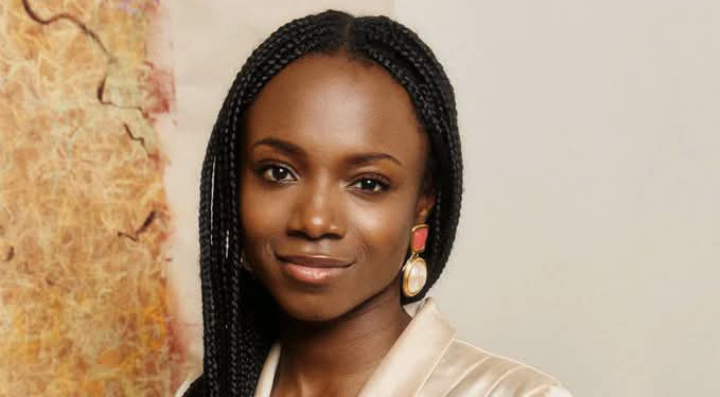
A Nigerian-American entrepreneur and Harvard graduate is making global headlines after developing what is being described as the world’s first braid-assist robot, an innovation that could redefine the future of professional hair braiding while placing African-inspired beauty technology at the forefront of global innovation.
Yinka Ogunbiyi, founder and Chief Executive Officer of HaloBraid, has successfully developed an artificial intelligence-powered robotic system designed to assist professional hairstylists in creating braids with greater speed, consistency, and precision. The breakthrough has already attracted significant investor confidence, with the startup raising approximately $7 million in funding while generating interest from more than 7,000 hair salons across different markets.
The development represents a major milestone not only for the global beauty technology industry but also for African entrepreneurship, demonstrating how innovators of African heritage are applying advanced robotics and artificial intelligence to address everyday challenges in industries that have traditionally relied on manual craftsmanship.
A New Era for Professional Hair Braiding
Hair braiding remains one of the most culturally significant and economically valuable beauty services worldwide, particularly across Africa and within the African diaspora. Despite its popularity, the process is often time-intensive, physically demanding for stylists, and requires years of experience to master.
HaloBraid was designed to complement rather than replace professional hairstylists. According to the company, the robotic system assists with repetitive aspects of braiding, allowing stylists to work more efficiently while maintaining creative control over hairstyle design and customer experience.
By combining robotics, machine learning, computer vision, and precision engineering, the technology aims to reduce the physical strain associated with long hours of braiding while improving consistency across different braid styles.
Industry analysts believe such innovations could significantly improve productivity for salons, helping professionals serve more clients without compromising quality.
Investor Confidence Signals Growing Beauty-Tech Market
HaloBraid’s successful $7 million fundraising round highlights increasing investor interest in technology companies addressing underserved sectors within the global beauty industry.
The funding is expected to support continued research and development, manufacturing expansion, product refinement, and broader commercial deployment. The company also plans to strengthen partnerships with salons and beauty professionals as it prepares for wider market adoption.
Investor enthusiasm reflects confidence in the growing demand for technological solutions that improve efficiency in beauty services while preserving the artistry of professional stylists.
With over 7,000 salons reportedly expressing interest, HaloBraid appears well positioned to establish an early leadership role in an emerging niche that combines robotics with professional haircare.
Nigerian Innovation on the Global Stage
Ogunbiyi’s achievement carries particular significance for Nigeria and the wider African innovation ecosystem.
Nigeria has become one of Africa’s leading technology hubs, producing startups that have gained international recognition across fintech, healthcare, education, logistics, artificial intelligence, and digital commerce. HaloBraid adds beauty technology and robotics to that expanding list.
The innovation also demonstrates the growing influence of African professionals educated at globally respected institutions who are applying advanced technical expertise to industries deeply connected to African culture.
Hair braiding has long been recognized as both a cultural tradition and a thriving economic sector across Africa. By introducing robotics into this field, HaloBraid illustrates how heritage and innovation can coexist to create commercially viable solutions with global appeal.
Technology Designed to Support Stylists
While automation has sparked concerns in many industries regarding job displacement, HaloBraid positions its technology as a collaborative tool rather than a replacement for skilled professionals.
Professional hairstylists remain responsible for customer consultation, hairstyle selection, finishing techniques, and overall service delivery. The robotic system is intended to reduce repetitive manual work while enhancing productivity.
Experts note that similar collaborative robotics have already transformed manufacturing, healthcare, and logistics by assisting workers instead of eliminating human expertise. HaloBraid seeks to apply that same philosophy within professional beauty services.
The company believes experienced stylists will continue to play an essential role because successful braiding requires creativity, personalization, and customer interaction qualities that remain difficult for machines to replicate independently.
Artificial Intelligence Meets African Beauty Culture
The emergence of HaloBraid reflects a broader global trend in which artificial intelligence is increasingly being integrated into everyday consumer industries.
From skincare analysis and virtual beauty consultations to automated cosmetic manufacturing, AI-powered technologies are reshaping how beauty products and services are developed and delivered.
HaloBraid introduces robotics into one of the beauty industry’s most labour-intensive specialties while drawing inspiration from African hairstyling traditions that have existed for centuries.
Observers say the innovation underscores the commercial potential of culturally rooted technologies capable of addressing practical challenges while preserving artistic expression.
Expanding Opportunities Across Global Markets
The global beauty and personal care industry continues to experience sustained growth, with textured haircare and protective styling representing an increasingly important market segment.
Demand extends beyond Africa to North America, Europe, the Caribbean, and other regions with large African and Afro-descendant communities.
If successfully commercialised, HaloBraid could provide salons with technology that improves operational efficiency while expanding service capacity.
The company may also create new opportunities for training, equipment maintenance, robotics integration, and beauty technology entrepreneurship, potentially generating employment beyond traditional salon services.
Inspiring the Next Generation of African Innovators
For many young Africans interested in science, technology, engineering, and entrepreneurship, Ogunbiyi’s success serves as an example of how global education and African cultural heritage can combine to produce groundbreaking innovation.
His journey highlights the increasing role of African professionals in developing solutions with worldwide relevance, reinforcing the continent’s growing contribution to emerging technologies.
As governments, investors, and universities continue supporting innovation ecosystems across Africa, developments such as HaloBraid demonstrate that African entrepreneurs are not merely adopting global technologies but actively creating them.
Whether in artificial intelligence, robotics, fintech, healthcare, or clean energy, African innovators are steadily expanding their influence on industries shaping the future of the global economy.
HaloBraid’s progress also reflects the importance of inclusive innovation developing technologies that address real-world challenges faced by communities while opening new commercial opportunities.
As the company advances toward broader deployment, industry stakeholders will closely watch how robotics can responsibly enhance professional beauty services without compromising the craftsmanship and cultural significance that make hair braiding an enduring art form.
For Nigeria and the African continent, the achievement stands as another reminder that homegrown talent continues to leave a lasting mark on the world’s technology landscape, strengthening Africa’s reputation as an emerging source of innovation with global impact.
Sources
- TechCrunch
- Forbes
- Bloomberg
- Crunchbase
- Harvard University alumni publications
- HaloBraid official company announcements