Reported by Weng Patrick Atokor l Journalist at Weng Global
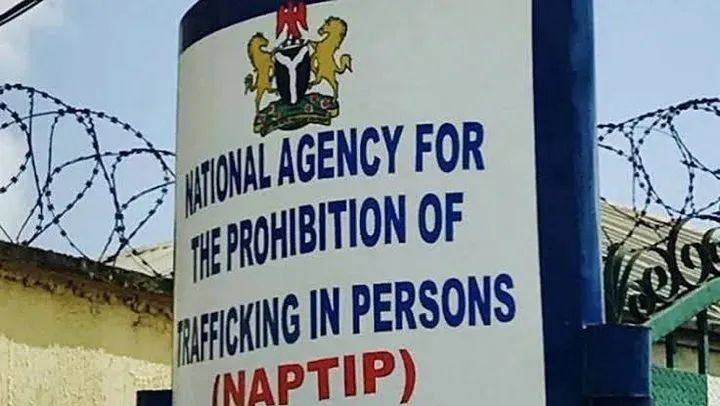
Nigeria’s anti-human trafficking agency, the National Agency for the Prohibition of Trafficking in Persons (NAPTIP), has warned Nigerians about increasingly deceptive recruitment methods used by human traffickers, including targeting people at gyms, exploiting social relationships and advertising fraudulent employment opportunities.
The agency said traffickers were increasingly relying on seemingly harmless social interactions to establish trust with unsuspecting individuals before manipulating them into exploitative situations.
NAPTIP spokesperson Adekoye Vincent issued the warning on Thursday, November 5, 2026, during a joint briefing involving security and intelligence agencies in Abuja.
According to the agency, traffickers often approach potential victims, particularly women, in gyms, recreational centres and other social environments, where they gradually develop relationships and present themselves as trustworthy individuals.
The warning highlights how human trafficking networks are adapting their recruitment strategies, moving beyond traditional methods to exploit everyday social activities, personal relationships and the growing use of online employment advertisements.
How Traffickers Use Gyms and Social Relationships to Target Victims
Vincent explained that some traffickers approach individuals in recreational facilities and other public spaces by pretending to offer assistance with everyday activities.
These individuals may introduce themselves as service providers, offering help with domestic responsibilities, shopping, sourcing goods and other personal needs.
The approach is designed to establish familiarity and make potential victims comfortable with their presence.
According to the NAPTIP spokesperson, traffickers may obtain the telephone numbers of their targets and maintain regular communication, gradually positioning themselves as dependable people who can be contacted whenever assistance is needed.
In some cases, they deliberately appear when their targets experience personal difficulties, including vehicle breakdowns, using such situations to strengthen relationships and create a sense of obligation.
Vincent warned that these apparently generous gestures could form part of a calculated recruitment strategy.
The agency said the danger lies in the gradual development of trust, which may make victims less suspicious of the intentions of individuals approaching them.
This method demonstrates how traffickers can exploit ordinary social interactions rather than relying exclusively on force or direct threats during the initial recruitment process.
Fake Job Advertisements Increasing Trafficking Risks
NAPTIP also identified fraudulent employment advertisements, particularly those circulated online, as another major method used by traffickers to recruit unsuspecting Nigerians.
The agency warned that people searching for employment opportunities could become vulnerable when they respond to attractive offers without properly establishing the identity of the employer or verifying the legitimacy of the recruitment process.
Vincent disclosed that NAPTIP had recorded disturbing cases involving Nigerians who travelled considerable distances in search of employment but eventually found themselves in the hands of traffickers.
One case involved a lawyer who reportedly travelled from Benue State to Abuja after receiving an employment opportunity at a law chamber but subsequently became a trafficking victim.
The spokesperson said he had personally interacted with the affected individual and described the experience as deeply disturbing.
The case illustrates that professional qualifications and educational backgrounds do not automatically protect people from trafficking networks.
Job seekers, including graduates and professionals, can become targets when criminals exploit their desire for employment, financial stability and better career opportunities.
The agency’s warning also reinforces concerns about recruitment scams that use convincing advertisements, professional-looking communications and seemingly legitimate business arrangements to deceive applicants.
Human Trafficking Can Have Long-Term Psychological Consequences
Beyond physical exploitation, NAPTIP warned that human trafficking can leave victims with serious emotional and psychological consequences.
Vincent noted that some trafficking experiences could result in unwanted pregnancies and other deeply distressing circumstances.
Victims may also experience manipulation, intimidation, isolation and the loss of control over important decisions affecting their lives.
The consequences can extend beyond the period of exploitation, affecting victims’ relationships, employment prospects, personal security and ability to rebuild their lives.
Human trafficking is therefore not simply a matter of illegal movement or recruitment. It involves the exploitation of people through deception, coercion, abuse of vulnerability or other prohibited means.
The United States Department of State’s 2024 Trafficking in Persons Report on Nigeria also identified fraudulent employment recruitment and social media as methods used by traffickers to identify and exploit vulnerable individuals. United States Department of State +1
NAPTIP Advises Nigerians to Verify Relationships and Employment Offers
Following the reported cases, NAPTIP urged Nigerians to exercise greater caution when developing relationships with strangers online or accepting unsolicited offers of assistance, employment and financial support.
Vincent advised people against rushing into online friendships and encouraged them to establish the identities and intentions of individuals making attractive offers.
The agency particularly warned against accepting employment opportunities or other arrangements without conducting appropriate checks.
Practical precautions include:
- Verify employers: Independently confirm a company’s registration, physical address, contact information and recruitment history.
- Be cautious with online relationships: Avoid sharing sensitive personal information with individuals whose identities and intentions have not been established.
- Investigate job advertisements: Contact the organisation through independently verified communication channels before accepting an offer.
- Inform trusted people: Share travel arrangements, employer details and meeting locations with family members or trusted contacts.
- Avoid suspicious travel arrangements: Be particularly cautious when an unknown recruiter insists on secrecy, unusual travel plans or handing over personal documents.
- Report suspicious activity: Contact relevant law enforcement authorities or NAPTIP when an employment offer or recruitment arrangement appears suspicious.
These precautions are particularly important for people seeking employment outside their home states or travelling abroad for work.
Human Trafficking Recruitment Is Expanding Beyond Traditional Methods
The latest warning reflects a broader challenge facing anti-trafficking authorities: criminal networks continue to adapt the ways they identify, approach and recruit potential victims.
The internet has created additional opportunities for legitimate employers to reach job seekers, but it has also provided traffickers with platforms to distribute deceptive advertisements and establish relationships with people they intend to exploit.
Nigeria’s Computer Emergency Response Team (ngCERT), in a public advisory published on November 2, 2026, also warned about trafficking syndicates using social media advertisements and peer referrals to recruit victims through promises of lucrative employment, scholarships and business opportunities.
The advisory described how some victims are taken to destinations where their travel documents and mobile phones are confiscated, while their families are pressured to make payments.
It also highlighted the risks associated with recruitment networks that use apparently trustworthy referrals to make fraudulent opportunities appear legitimate. Alerts & Advisories +1
NAPTIP’s warning about gyms and social relationships adds another dimension to the problem, showing that recruitment can begin in everyday environments where people may not immediately suspect criminal intentions.
Why the Warning Matters for Nigerians
The warning has implications for students, graduates, professionals, unemployed people and anyone seeking better economic opportunities.
For many Nigerians, the search for employment and improved living conditions can involve travelling to unfamiliar cities or countries. Criminal networks can exploit these ambitions by presenting fraudulent opportunities as pathways to financial independence.
The case involving the lawyer from Benue State is particularly concerning because it demonstrates that even individuals with professional qualifications can be deceived.
It also highlights the importance of public awareness beyond conventional warnings about suspicious overseas travel.
People need to understand that trafficking risks can emerge through personal relationships, local recruitment arrangements, online friendships and seemingly legitimate employment offers.
For families, the warning reinforces the importance of maintaining communication with relatives who are travelling for work or responding to recruitment opportunities.
For employers and recruitment organisations, it also underlines the importance of transparent hiring procedures and responsible recruitment practices.
Ultimately, preventing human trafficking requires cooperation between law enforcement agencies, communities, employers, technology platforms and members of the public.
What Happens Next?
NAPTIP’s latest warning is part of its continuing public awareness efforts against human trafficking and deceptive recruitment practices.
The agency has urged Nigerians to remain vigilant, verify unfamiliar contacts and exercise caution when accepting opportunities that involve employment, financial assistance or personal relationships.
However, the effectiveness of such warnings will also depend on public reporting, investigations, victim protection and the ability of authorities to identify and prosecute trafficking networks.
Members of the public should not assume that every person offering assistance or advertising a job is involved in trafficking. Rather, the emphasis should be on independently verifying identities, recruitment arrangements and promises before making important decisions.
For Nigerians seeking employment, the central message is clear: an attractive opportunity should never replace proper verification.
Human traffickers may present themselves as helpful acquaintances, trusted friends or legitimate recruiters. Recognising the warning signs early can help prevent individuals from falling into exploitative networks.
Weng Global — Stories beyond borders.
Sources
- National Agency for the Prohibition of Trafficking in Persons (NAPTIP) – Handbook on Human Trafficking in Nigeria for Journalists.
- Punch Newspapers – How traffickers use gyms, fake jobs to trap Nigerians – NAPTIP.
- Nigeria Computer Emergency Response Team (ngCERT) – Trafficking Syndicates Luring Victims Through Social Media Advertisements and Peer Referrals.
- US Department of State – 2024 Trafficking in Persons Report: Nigeria.
- Dateline Nigeria – NAPTIP Worries Over Rising Sextortion, Trafficking Risks at Gyms.