Reported by Simon yusuph,| Journalist at wengglobal
Nigeria is facing renewed calls to intensify efforts against noma, a devastating but largely neglected disease that continues to kill and permanently disfigure thousands of vulnerable children every year. International medical humanitarian organisation Médecins Sans Frontières (MSF) has urged Nigerian authorities, healthcare stakeholders, international partners, and local communities to take urgent and coordinated action to strengthen prevention, early diagnosis, and access to life-saving treatment.
According to MSF, noma remains one of the world’s most overlooked childhood diseases despite being both preventable and treatable when detected early. The organisation warned that delayed diagnosis, poor healthcare access, widespread malnutrition, poverty, and limited public awareness continue to fuel unnecessary deaths, particularly among children living in underserved communities across northern Nigeria.
The appeal comes as global health experts increasingly recognise noma as a severe public health challenge requiring stronger government investment and international collaboration.
A Preventable Disease That Continues to Kill
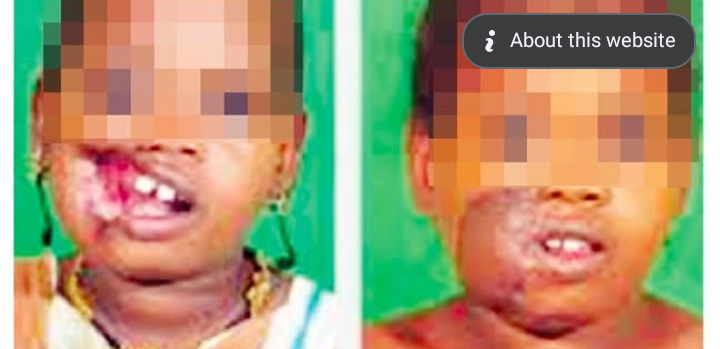
Noma, also known medically as cancrum oris, is a rapidly progressing bacterial infection that primarily affects children between the ages of two and six who are already weakened by severe malnutrition, poor oral hygiene, weakened immune systems, and preventable infectious diseases such as measles.
The disease often begins with swollen gums or mouth ulcers before spreading aggressively through the tissues of the face. Without immediate treatment, noma destroys the mouth, cheeks, nose, lips, and jaw, leaving survivors with permanent facial deformities that make eating, speaking, and breathing difficult.
Health experts estimate that the disease has an extremely high mortality rate if left untreated, with many children dying within weeks of infection.
MSF stressed that early administration of antibiotics, nutritional support, wound care, and proper oral hygiene can dramatically improve survival rates and prevent permanent disability.
MSF Calls for Coordinated National Response
The humanitarian organisation said Nigeria needs a comprehensive national strategy that focuses not only on treating patients but also on preventing new infections.
According to MSF, stronger collaboration among federal and state governments, healthcare institutions, development partners, community leaders, and international agencies is essential to reducing deaths caused by noma.
The organisation highlighted several priority areas requiring immediate attention, including:
- Improved community awareness campaigns to help families recognise early symptoms.
- Increased training for frontline healthcare workers to diagnose cases promptly.
- Better access to antibiotics and nutritional support at primary healthcare centres.
- Expanded surveillance and reporting systems.
- Greater investment in reconstructive surgery and rehabilitation for survivors.
MSF noted that many affected children arrive at hospitals only after the disease has reached advanced stages, making treatment significantly more difficult and increasing the likelihood of death or lifelong disability.
Poverty and Malnutrition Remain Major Risk Factors
Public health specialists have consistently linked noma to extreme poverty and poor living conditions.
Children suffering from chronic malnutrition are particularly vulnerable because weakened immune systems leave them unable to fight common bacterial infections.
Limited access to clean water, sanitation, routine immunisation, and primary healthcare services further increases the risk.
Northern Nigeria continues to report a significant proportion of documented noma cases due to the combined effects of food insecurity, conflict-related displacement, inadequate healthcare infrastructure, and widespread poverty.
MSF said tackling the disease requires addressing these broader social determinants of health alongside medical interventions.
Growing International Recognition
Noma has historically received little international attention despite its devastating impact on vulnerable populations.
In recent years, however, global advocacy efforts have intensified.
The World Health Organization officially classified noma as a neglected tropical disease, a decision welcomed by humanitarian organisations, medical researchers, and public health advocates. The designation is expected to attract greater international funding, research, surveillance, and policy support aimed at eliminating the disease.
Health experts believe the recognition could significantly improve access to diagnosis, treatment, and prevention programmes in countries where noma remains endemic.
MSF said this momentum should now translate into concrete action at national and community levels, particularly in countries carrying the highest disease burden.
Long-Term Impact on Survivors
For children who survive noma, recovery often extends far beyond the initial infection.
Many survivors require multiple reconstructive surgeries to restore facial function and appearance. They may also need speech therapy, nutritional rehabilitation, psychological support, and long-term medical follow-up.
The stigma associated with facial disfigurement frequently results in social exclusion, interrupted education, and reduced economic opportunities later in life.
MSF has continued to provide specialised surgical care for noma survivors while advocating for greater investment in rehabilitation services that enable affected children to reintegrate into society.
The organisation emphasised that comprehensive care should include mental health support for both survivors and their families.
Importance of Early Detection
Medical experts agree that recognising the earliest signs of noma remains one of the most effective ways to save lives.
Symptoms often begin with inflamed gums, mouth sores, swelling, fever, and bad breath before rapidly progressing to tissue destruction.
Healthcare professionals urge parents and caregivers to seek immediate medical attention whenever children develop unusual oral infections, particularly if they are malnourished or recovering from illnesses such as measles.
Early antibiotic treatment can stop the infection before irreversible facial damage occurs.
MSF also called for stronger public education campaigns to improve awareness among rural communities where healthcare access remains limited.
Nigeria’s Opportunity to Reduce Preventable Deaths
Health advocates say Nigeria possesses the capacity to significantly reduce noma-related deaths through sustained investment in primary healthcare, child nutrition programmes, immunisation coverage, sanitation, and disease surveillance.
Strengthening community health systems would enable frontline workers to identify cases earlier while expanding access to affordable treatment across vulnerable regions.
Experts further recommend integrating noma screening into existing maternal and child healthcare programmes to ensure that high-risk children receive timely medical attention.
For MSF, eliminating noma is not solely a medical challenge but also a humanitarian and development priority requiring political commitment, adequate funding, and community participation.
As Nigeria continues pursuing broader universal health coverage goals, stakeholders believe combating neglected diseases like noma will remain essential to protecting children’s health and reducing preventable mortality.
The organisation maintains that no child should die from a disease that modern medicine can prevent and treat, urging governments, donors, healthcare professionals, and communities to act decisively before more lives are lost.
Sources
- Médecins Sans Frontières (MSF)
- World Health Organization (WHO)
- Reuters
- Associated Press (AP)
- BBC News
- UNICEF