Reported by Simon Daniel Yusuph l Journalist at Weng Global
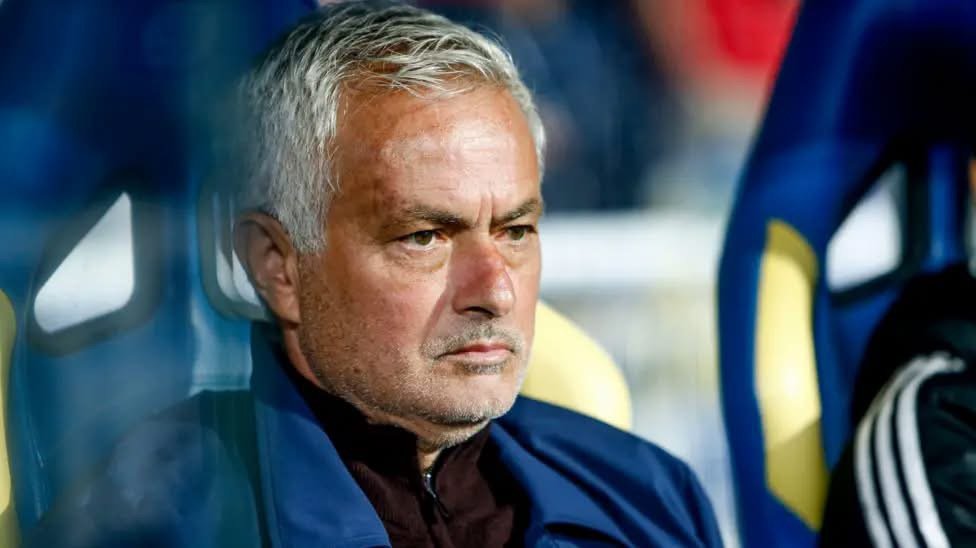
Real Madrid manager José Mourinho has joked that he could be 80 years old before Manchester City’s long-running financial case reaches a final conclusion, highlighting the uncertainty surrounding the English club’s appeal against an independent commission’s findings.
The Portuguese coach made the remark during an interview with Italian newspaper Corriere dello Sport, as the football world continues to follow the disciplinary proceedings arising from the Premier League’s investigation into Manchester City’s financial affairs between 2009 and 2018.
Mourinho, 63, responded with humour when discussing the possibility that further legal proceedings could delay a definitive outcome for years. His comments came after an independent commission found Manchester City responsible for serious breaches of Premier League financial regulations and the club subsequently appealed the decision.
The case has attracted considerable attention because of the number and seriousness of the breaches upheld, the potential consequences for one of English football’s most successful clubs, and the wider questions it raises about financial accountability in elite football.
Mourinho’s remark was not a formal prediction about when the appeal would end. Instead, it reflected his scepticism about how quickly a final resolution could emerge after years of investigation and proceedings.
Why Mourinho Is Talking About Manchester City’s Financial Case
The Manchester City case has become one of the most closely watched disciplinary disputes in modern English football.
On September 29, 2026, the Premier League published the findings of an independent commission that examined allegations concerning the club’s financial reporting, sponsorship arrangements, compliance with spending rules and cooperation with the league’s investigation.
The commission found Manchester City guilty of serious breaches of financial regulations covering nine seasons, from 2009/10 to 2017/18. It also upheld most of the charges relating to the club’s alleged failure to cooperate with the investigation.
Manchester City has strongly contested the findings and appealed the decision, arguing that the ruling contains significant errors of fact, law and principle.
The appeal means that the commission’s findings are being challenged through the applicable review process. The case has therefore not reached its final resolution.
Mourinho’s comments reflect the uncertainty surrounding the remaining proceedings. Even after an independent commission has delivered its findings, an appeal can create further legal and procedural steps before the dispute is finally settled.
The timeline will depend on the appeal process and any subsequent proceedings permitted under the relevant rules. There is no confirmed basis for treating Mourinho’s reference to turning 80 as a literal estimate of when the case will end.
What the Independent Commission Found
The Premier League announced that its independent commission had found Manchester City guilty of all charges relating to serious breaches of its financial rules over the nine-season period.
The commission also upheld the majority of allegations concerning the club’s cooperation with the league’s investigation.
Among the findings were that Manchester City had arranged or relied on commercial agreements that the commission considered misleading, with the effect of artificially inflating the club’s reported revenue and reducing its costs.
The commission also found that the club had submitted inaccurate financial information and breached spending regulations imposed by the Premier League and European football authorities.
These findings concern the period between the 2009/10 and 2017/18 seasons. They should not be confused with an assertion that every Manchester City financial transaction during that period was unlawful.
The commission’s findings relate to the specific charges considered during the proceedings. Manchester City disputes the conclusions and is challenging them through its appeal.
The distinction matters because the case involves both a formal disciplinary decision and a continuing dispute over the legal and factual basis of that decision.
The outcome of the appeal will be important in determining how the findings stand and what further action may follow.
Manchester City Appeals Against the Ruling
Manchester City lodged an appeal against the commission’s findings in early October 2026.
The club has maintained that the decision contains material errors and has challenged the conclusions reached by the independent commission. Its position remains that the ruling should not be treated as the final word on the allegations.
The appeal is expected to be considered by a separate panel under the applicable process. The review will examine the grounds advanced by the club and determine whether the challenged findings should stand or be altered.
The Premier League’s published decision and Manchester City’s appeal represent different stages of the dispute. The commission’s findings establish the outcome of the initial proceedings, while the appeal allows the club to challenge that outcome.
Until the appeal process has concluded, the full consequences of the case remain uncertain.
Possible disciplinary consequences have been widely discussed in football coverage, including financial penalties and sporting sanctions. However, the existence of possible sanctions does not mean that any particular punishment has already been imposed.
Any final action will depend on the relevant rules, the outcome of the appeal and any subsequent decision-making process.
Why the Case Has Taken So Long
The dispute has developed over several years.
The Premier League referred Manchester City to an independent commission in February 2023 following an investigation into alleged financial-rule breaches. The allegations covered multiple seasons and included questions about the accuracy of financial information, sponsorship revenue, compliance with spending requirements and cooperation with the league.
The complexity of the allegations required the examination of financial records, commercial arrangements and evidence covering a long period.
The commission’s hearing began in September 2024 and concluded later that year. The findings were not publicly confirmed until September 2026.
The length of the process has been a source of frustration for people who want clarity over the allegations and their implications for English football.
However, disciplinary cases involving extensive financial evidence and multiple disputed issues can require considerable time. The parties must have opportunities to present their positions, and decision-makers must assess the evidence against the applicable rules.
An appeal can add another stage to that process.
Mourinho’s joke about being 80 before the final verdict captures the public perception that the dispute has already lasted too long. It does not, however, establish that the appeal will take another 17 years or that further proceedings are certain to last for a particular period.
The actual timetable will depend on the appeal panel and any further steps allowed under the rules.
Mourinho Has a Personal Connection to the Debate
Mourinho’s interest in the case also reflects his history in English football.
The Portuguese manager led Manchester United during the 2017/18 Premier League season, when Manchester City won the title and United finished second.
That season falls within the period examined by the Premier League commission. The outcome of the financial case has therefore attracted attention from supporters and former competitors who are interested in the historical record of the competition.
However, the commission’s findings do not automatically change the results of previous matches or rewrite past league standings. Any change to historical sporting outcomes would require an appropriate decision under the applicable rules.
Mourinho’s comments should consequently be understood as a humorous response to the length of the proceedings rather than evidence that a previous title will be reassigned.
His managerial history gives the case a personal dimension, but the appeal remains a formal process that must be decided on its merits.
Potential Consequences for Manchester City
The financial case carries significant implications for Manchester City because it concerns the club’s conduct over several seasons and the rules governing competition in the Premier League.
Possible sanctions have been discussed in football reporting, including fines, points deductions and other sporting penalties. Yet no particular punishment should be presented as confirmed unless it has been formally announced by the relevant authority.
The appeal could affect the status of the commission’s findings and the next steps in the disciplinary process.
For Manchester City, the immediate priority is to challenge the decision through the available procedure. For the Premier League, the case raises questions about the enforcement of financial regulations and the credibility of its disciplinary framework.
The dispute also has implications for other clubs. Financial regulations are designed to establish standards for reporting, spending and compliance. If serious breaches are established and sanctions follow, the outcome may influence how clubs assess their own obligations and the risks associated with non-compliance.
At the same time, the process must provide a fair mechanism for clubs to challenge decisions they believe are incorrect.
The credibility of football governance depends on both effective enforcement and a transparent, rules-based system for reviewing disputed decisions.
What the Case Means for the Premier League
The dispute has become a major test of the Premier League’s ability to enforce its financial rules when dealing with a high-profile club.
Football clubs operate in a highly competitive environment in which spending on players, wages, facilities and commercial development can influence performance. Financial regulations seek to establish limits and reporting obligations intended to protect the competition and its participants.
When a case involving serious alleged breaches takes years to reach an initial ruling, questions naturally arise about the speed and effectiveness of the disciplinary system.
However, speed cannot be the only measure of a fair process. A complex case must also be decided through appropriate procedures, with evidence assessed and the parties given the opportunity to present their positions.
The challenge for football authorities is to balance procedural fairness with the need for timely decisions.
The Manchester City proceedings could influence future discussions about how financial cases are investigated, how quickly hearings are organised and how appeal processes are managed.
The final outcome may also shape how supporters, clubs and commercial partners view the consistency of financial-rule enforcement.
For now, the case remains a live dispute because Manchester City has appealed the commission’s findings.
What Happens Next?
The next major development will be the consideration of Manchester City’s appeal.
The appeal panel will examine the club’s challenge under the applicable procedures. The timing and outcome will depend on the review process, and a final decision should not be assumed before it is formally issued.
Any sanctions or additional disciplinary steps will also depend on the relevant decisions and rules. Reports about possible penalties should be treated as possibilities unless confirmed by the appropriate authority.
Mourinho, meanwhile, has used humour to underline the lengthy nature of the dispute. His remark has added another high-profile reaction to a case that continues to dominate discussion about financial governance in English football.
The central issue remains whether the independent commission’s findings will survive the appeal and what consequences, if any, will follow.
For supporters and clubs, the case is about more than one team’s finances. It is also about the consistency of competition rules, accountability and confidence in the institutions responsible for governing professional football.
Mourinho’s suggestion that he could be 80 before the final verdict arrives may have been delivered as a joke, but it reflects the widespread desire for a clear and timely conclusion.
Until the appeal is decided, however, the final outcome remains unresolved.
Weng Global – stories beyond borders
Sources
- Premier League
- Corriere dello Sport
- Reuters
- Associated Press
- The Guardian