Reported by Simon Daniel Yusuph l Journalist at Weng Global
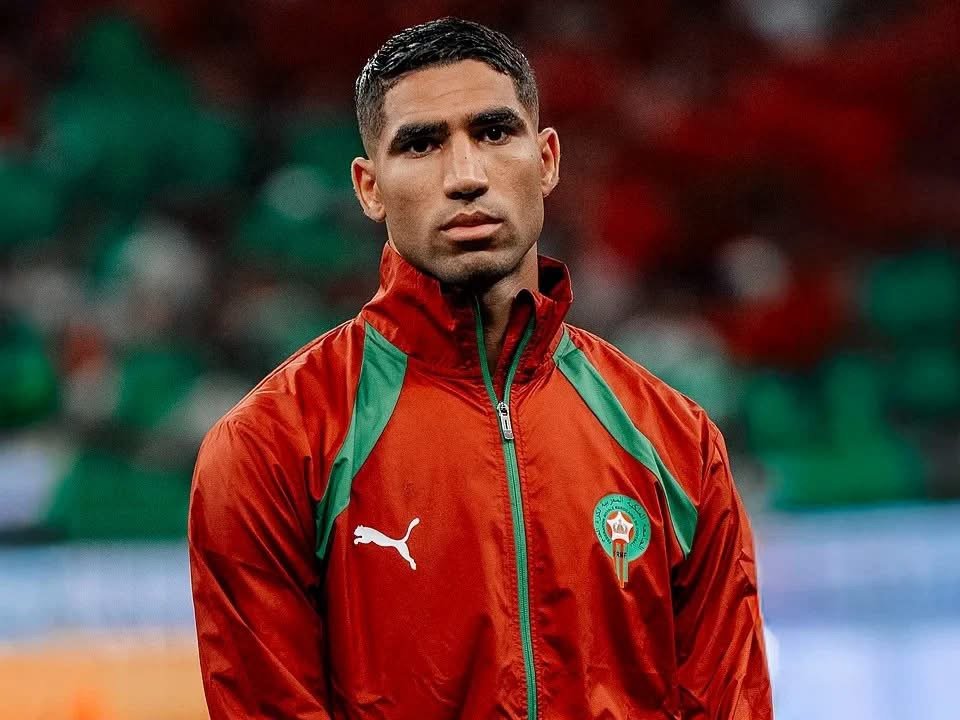
Morocco captain Achraf Hakimi has criticised Senegal’s decision to leave the pitch during the controversial 2025 Africa Cup of Nations (AFCON) final, insisting that teams cannot simply walk off the field in protest during a football match.
Hakimi made the remarks as African football awaits a potentially decisive ruling from the Court of Arbitration for Sport (CAS) on Senegal’s appeal against the decision to strip the country of its AFCON title and award the championship to Morocco.
The dispute, which has attracted considerable attention across the continent and beyond, centres on the dramatic final between Senegal and hosts Morocco in Rabat on January 18, 2026.
Speaking ahead of the expected CAS decision on Tuesday, November 24, Hakimi maintained that Senegal’s withdrawal from the pitch was unacceptable, although he acknowledged that the incident had generated different opinions among football supporters and stakeholders.
According to comments attributed to the Moroccan captain in coverage of his remarks by RMC Sport, Hakimi said:
“In football, you can’t just walk off the pitch like that.”
He added that everyone had witnessed what happened during the final and that individuals were entitled to their opinions about the incident.
The Paris Saint-Germain defender also expressed pride in Morocco’s performance and said the team had reasons to be satisfied with its efforts throughout the competition.
Hakimi further indicated that Morocco would accept the outcome of the ongoing proceedings while remaining focused on future international competitions.
Senegal-Morocco AFCON Final Controversy
The controversy originated during the closing stages of the AFCON final, when Senegal faced Morocco at the Prince Moulay Abdellah Stadium in Rabat.
The match had remained goalless during normal time, with both teams seeking the decisive goal that would secure the continental championship.
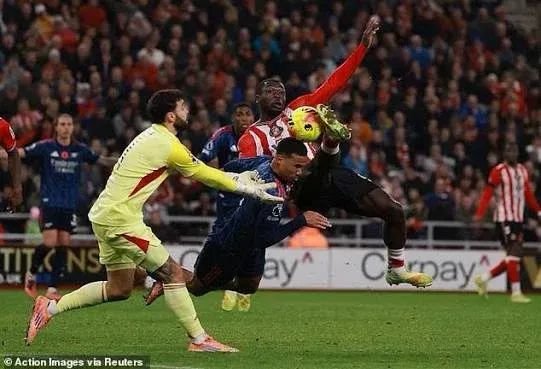
However, tensions escalated after Senegal appeared to have scored in stoppage time through Ismaila Sarr, only for the referee to disallow the goal following a foul decision involving Morocco defender Achraf Hakimi.
The decision angered Senegal’s players and technical officials, who believed the ruling had unfairly denied them an opportunity to take the lead.
The situation became more contentious when Morocco were subsequently awarded a penalty following a video assistant referee review.
Senegal’s head coach, Pape Thiaw, reacted angrily to the decision and instructed his players to leave the pitch in protest.
The withdrawal resulted in a lengthy interruption, with several Senegalese players heading towards the dressing room.
Former Liverpool forward Sadio Mane remained on the field and reportedly played an important role in persuading his teammates to return so that the match could continue.
After approximately 17 minutes of disruption, Senegal’s players returned to the pitch.
Morocco’s Brahim Diaz subsequently missed the penalty, attempting a Panenka-style kick that was comfortably saved by Senegal goalkeeper Edouard Mendy.
The match eventually proceeded into extra time, where Pape Gueye scored the decisive goal to give Senegal a 1-0 victory on the pitch.
Senegal initially celebrated the result as its second AFCON championship in the country’s football history.
However, the final’s outcome would later become the subject of a major disciplinary and legal dispute.
CAF Overturns Senegal’s Victory and Awards Morocco the Title
On March 17, 2026, the Confederation of African Football (CAF) Appeal Board announced a decision overturning Senegal’s victory.
The governing body declared that Senegal had forfeited the final under Articles 82 and 84 of the AFCON regulations.
Consequently, the result was officially recorded as a 3-0 victory in favour of Morocco, effectively making the North African country the 2025 AFCON champion.
CAF’s decision followed an appeal by the Royal Moroccan Football Federation, which challenged the initial handling of the incident during the final.
The Appeal Board ruled that Senegal’s conduct fell within the provisions governing a team’s withdrawal from a match without the required authorisation.
The decision represented a significant development in African football because it changed the official outcome of a continental final after the match had already been completed.
It also generated widespread debate about the relationship between competition regulations, refereeing decisions and the authority of football’s disciplinary institutions.
While Morocco welcomed the ruling, Senegal rejected the decision and maintained that its victory on the pitch should be recognised.
Senegal Takes the Dispute to CAS
Unwilling to accept CAF’s decision, the Senegalese Football Federation lodged an appeal with the Court of Arbitration for Sport on March 25, 2026.
Senegal asked the international sports tribunal to overturn CAF’s ruling and restore the country’s status as the winner of the 2025 AFCON tournament.
The appeal challenged the decision declaring the team to have forfeited the final and sought recognition of Senegal’s original 1-0 victory.
The proceedings subsequently became one of the most closely followed legal disputes in African football.
CAS heard arguments from the Senegalese Football Federation, CAF and the Royal Moroccan Football Federation during a closed-door hearing in Lausanne, Switzerland, on October 8, 2026.
The case required the tribunal to examine the relevant AFCON regulations and determine whether CAF’s Appeal Board was justified in overturning the result.
CAS initially indicated that a decision would follow shortly after the hearing.
However, the arbitrators later opted to issue a comprehensive ruling containing the legal grounds for their decision, a process that required additional time.
In a statement released on November 23, CAS confirmed that the parties had been notified that the decision would be delivered on Tuesday, November 24, during the afternoon.
The tribunal also stated that it would suspend communications with the media concerning the decision until its official announcement.
Fresh Allegation Emerges Ahead of CAS Decision
The legal proceedings encountered another development on Tuesday after Morocco reportedly raised concerns about an alleged contact involving Senegal’s football leadership and one of the arbitrators handling the case.
According to a Reuters report published on November 24, a source familiar with the proceedings said the Moroccan Football Federation had reported an alleged incident to CAS.
The source claimed that Senegal Football Federation president Abdoulaye Fall had spoken by telephone with one of the three arbitrators on Sunday.
However, Reuters said it could not independently verify whether the alleged telephone conversation occurred or establish what was discussed.
The allegation had not been independently established, and no conclusion about wrongdoing could therefore be drawn from the report.
CAS had not immediately commented on the matter when Reuters published its report.
The development adds another sensitive dimension to an already complicated dispute, particularly as the tribunal prepares to issue its decision.
Hakimi Expresses Confidence in Morocco’s Performance
Beyond the legal proceedings, Hakimi’s latest comments reflect Morocco’s position in a dispute that has continued to divide football supporters.
The 27-year-old defender, who captained Morocco during the tournament, has previously spoken about the controversy and expressed support for the position that Senegal’s withdrawal violated competition regulations.
His latest remarks again focused on the importance of respecting the rules of football, particularly during high-pressure international matches.
For Hakimi, the decision to leave the pitch was not an acceptable response to a refereeing decision, regardless of the disagreement surrounding the penalty.
He also expressed pride in Morocco’s efforts and suggested that the team should remain focused on future competitions rather than allowing the dispute to overshadow its preparations.
Nevertheless, the final determination of the legal dispute rests with CAS, not with individual players or the competing football federations.
Why the CAS Decision Matters for African Football
The dispute carries implications beyond the immediate question of which country should officially hold the 2025 AFCON title.
At its centre is an important question about how football regulations should be interpreted when a team temporarily abandons a match in protest against a refereeing decision.
A ruling in favour of Senegal could overturn CAF’s decision and restore the result recorded on the field.
Conversely, a decision dismissing Senegal’s appeal would strengthen Morocco’s position as the officially recognised champion under CAF’s March ruling.
The case could also influence how football administrators handle similar incidents in future continental competitions.
For CAF, the controversy has placed considerable attention on its disciplinary procedures, regulatory framework and the consistency of decisions made during major tournaments.
For African football supporters, the outcome is particularly significant because the AFCON remains the continent’s most prestigious national-team competition.
The dispute has also demonstrated how decisions made during a football match can develop into lengthy legal proceedings with consequences for national sporting records and institutional credibility.
What Happens Next?
All attention is now on the Court of Arbitration for Sport as it prepares to publish its decision on Senegal’s appeal.
The ruling is expected to determine whether CAF’s decision to award Morocco a 3-0 victory will stand or whether Senegal’s original 1-0 victory will be restored.
CAS confirmed on November 23 that its decision would be delivered on Tuesday afternoon, November 24.
Until the tribunal formally announces its decision, Morocco and Senegal remain at the centre of an unresolved dispute over the official ownership of the 2025 AFCON championship.
Hakimi has made his position clear, describing Senegal’s walk-off as wrong and expressing confidence in Morocco’s efforts.
However, the final legal determination will come from the sports tribunal.
For African football, the decision could bring an end to one of the most controversial AFCON title disputes in recent history while providing an important reference point for the enforcement of competition regulations.
Weng Global – stories beyond borders
Sources
- Court of Arbitration for Sport (CAS) – Official announcement on the November 24, 2026 decision.
- Reuters – Report on Morocco’s allegation concerning an incident during the CAS proceedings, November 24, 2026.
- Reuters – Report on the Senegalese Football Federation’s appeal and the scheduled CAS ruling, November 23, 2026.
- Confederation of African Football (CAF) – Appeal Board Media Statement, March 17, 2026.
- RMC Sport – Coverage of Achraf Hakimi’s comments on Senegal’s walk-off.
- BBC Sport – Reporting on CAF’s decision to award Morocco the 2025 AFCON title.