Reported by Simon yusuph,| Journalist at wengglobal
The 2026 FIFA World Cup has delivered one of the most memorable tournaments in football history, not only because of its dramatic matches and global fan engagement but also for the unprecedented number of records rewritten. Hosted across the United States, Canada, and Mexico, the first-ever 48-team FIFA World Cup has become a landmark edition, producing historic achievements for legendary veterans and emerging stars alike.
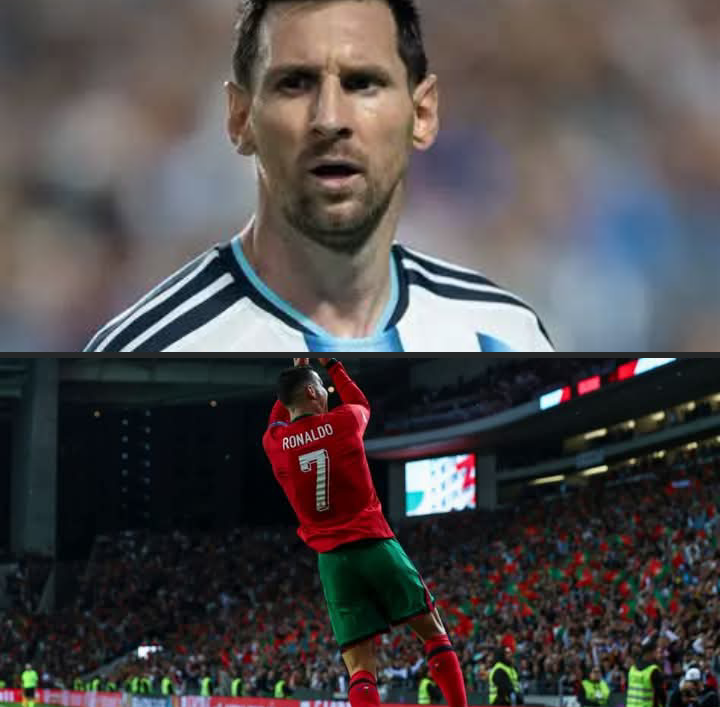
From Cristiano Ronaldo extending his remarkable World Cup legacy to Lionel Messi adding yet another milestone to an extraordinary career, and Kylian Mbappé continuing his rise among football’s greatest players, the tournament has showcased football’s evolution on the biggest stage.
The expanded competition also created opportunities for nations making their World Cup debuts while setting new benchmarks in attendance, goals, and participation. Below is a comprehensive look at 14 of the most significant records broken during the 2026 FIFA World Cup.
1. Largest FIFA World Cup in History
For the first time since the tournament began in 1930, the FIFA World Cup featured 48 national teams, expanding from the previous 32-team format. The change increased the number of matches to 104, making it the biggest World Cup ever staged.
The expansion gave more countries the opportunity to compete on football’s biggest stage and significantly broadened the tournament’s global reach.
2. Highest Number of Matches Played
The introduction of the 48-team format increased the tournament schedule from 64 matches to 104 matches, establishing a new FIFA World Cup record.
The expanded fixture list created more opportunities for players to shine while generating record-breaking television audiences and fan engagement across multiple continents.
3. Record Attendance Across Three Host Nations
With matches played in modern stadiums across the United States, Canada, and Mexico, the 2026 edition attracted the highest cumulative attendance in FIFA World Cup history.
Millions of supporters travelled from around the world, highlighting football’s growing popularity across North America and reinforcing the tournament’s commercial success.
4. Cristiano Ronaldo Extends His World Cup Legacy
Cristiano Ronaldo further cemented his status among football’s all-time greats by extending several career World Cup milestones.
Already the first player to score in five different FIFA World Cups before 2026, Ronaldo’s continued participation reinforced his extraordinary longevity at the highest level of international football.
His presence also made him one of the oldest outfield players to compete in the tournament’s history.
5. Lionel Messi Adds to His Historic Career
Lionel Messi continued to build on an already unmatched international career by adding more World Cup appearances and contributing to Argentina’s campaign.
Having already broken several World Cup records during previous tournaments, Messi once again demonstrated his enduring influence at the elite level despite being in the latter stages of his career.
6. Kylian Mbappé Climbs the All-Time Goals Chart
French forward Kylian Mbappé continued his remarkable scoring form on football’s biggest stage.
Still in his twenties during the tournament, Mbappé strengthened his position among the highest-scoring players in FIFA World Cup history, underlining his potential to challenge long-standing records before the end of his career.
7. Mexico Makes World Cup Hosting History
Mexico became the first nation ever to host the FIFA World Cup three times, following previous editions in 1970 and 1986.
The achievement reflects the country’s rich football culture and its long-standing contribution to the global game.
8. First FIFA World Cup Hosted by Three Nations
The 2026 tournament also became the first World Cup jointly hosted by three countries—the United States, Canada, and Mexico.
The unprecedented collaboration demonstrated FIFA’s growing emphasis on regional partnerships and large-scale sporting infrastructure.
9. More Nations Participate Than Ever Before
The expanded competition welcomed several countries making either their World Cup debut or returning after decades away from the tournament.
This increased representation reinforced FIFA’s objective of making football more inclusive while giving emerging football nations a chance to compete against the world’s elite.
10. Highest Commercial Revenue Expectations
The expanded World Cup generated record commercial opportunities through broadcasting rights, sponsorship agreements, hospitality packages, and merchandise sales.
Industry analysts expect FIFA to report its strongest financial returns from any World Cup, reflecting the tournament’s expanded scale and worldwide audience.
11. Digital Audience Reaches New Heights
Streaming platforms, digital broadcasters, and social media engagement reached unprecedented levels throughout the tournament.
Fans followed matches in real time through multiple digital platforms, making the 2026 edition one of the most-watched sporting events in online history.
12. Young Stars Continue to Break Age Milestones
Several teenage footballers delivered standout performances, highlighting the increasing confidence national teams place in young talent.
The tournament once again demonstrated that age is no longer a barrier for elite-level football, with emerging stars making immediate impacts on the global stage.
13. Increased Goal Production
The larger number of matches contributed to the highest total number of goals scored in a single FIFA World Cup.
Attacking football, tactical innovation, and the expanded competition combined to produce one of the tournament’s most entertaining editions.
14. Global Representation Reaches a New Level
With 48 participating nations spanning every FIFA confederation, the 2026 World Cup showcased the widest geographical representation in the competition’s history.
The expanded format reflected football’s continued global growth and reinforced the sport’s reputation as the world’s most universal game.
A Tournament That Redefined the World Cup
Beyond statistics, the 2026 FIFA World Cup has marked a turning point in the evolution of international football. The expanded format introduced new competitive dynamics, increased opportunities for emerging nations, and delivered fresh storylines while allowing legendary figures such as Cristiano Ronaldo and Lionel Messi to further enhance their remarkable legacies.
At the same time, younger stars including Kylian Mbappé demonstrated that the transition to football’s next generation is well underway. The combination of experience, youthful talent, and unprecedented global participation has helped make the tournament one of the most significant editions in FIFA history.
As football continues to evolve, many of the records established during the 2026 World Cup may stand for years. Others are likely to inspire future generations determined to surpass them. Regardless, the tournament has reaffirmed the World Cup’s place as the pinnacle of international football and a celebration of sporting excellence that unites billions of fans worldwide.
Sources
- FIFA
- Reuters
- Associated Press (AP)
- BBC Sport
- ESPN
- Sky Sports
- The Athletic
- FIFA World Cup official statistics and tournament reports