Reported by Simon yusuph,| Journalist at wengglobal
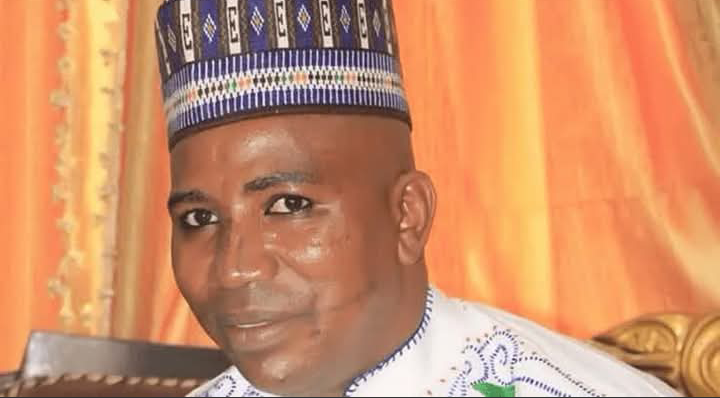
The Federal High Court in Abuja has granted bail to the President of the Miyetti Allah Kautal Hore, Bello Bodejo, in the sum of N2 billion as he faces prosecution over an alleged $2.63 million money laundering case. The ruling marks another significant development in a case that has attracted national attention due to its legal, political, and security implications.
Justice of the Federal High Court approved Bodejo’s bail application after hearing submissions from both the prosecution and the defence. The court imposed stringent conditions designed to ensure the defendant’s availability throughout the trial while safeguarding the integrity of the judicial process.
According to the bail terms, Bodejo must provide sureties who satisfy conditions stipulated by the court before he can be released from custody. The court also directed that the conditions be verified by relevant authorities before the bail becomes effective.
The money laundering charges against the Miyetti Allah leader stem from allegations that he was involved in financial transactions amounting to approximately $2.63 million, which prosecutors claim violated Nigeria’s anti-money laundering laws. Bodejo has pleaded not guilty to the allegations and insists that he committed no offence.
The trial forms part of Nigeria’s broader campaign against financial crimes, with prosecutors maintaining that every accused person must be held accountable under the law where sufficient evidence exists. The defence, however, argues that the charges lack merit and has expressed confidence that Bodejo will be cleared when the case is fully heard.
A Closely Watched Legal Battle
The prosecution of Bello Bodejo has generated widespread public interest because of his prominent position within Miyetti Allah Kautal Hore, an influential socio-cultural organisation representing the interests of Fulani pastoralists across Nigeria.
Over the years, Miyetti Allah has frequently been at the centre of national conversations surrounding security, farmer-herder relations, land use disputes, and rural development. As a result, legal proceedings involving its leadership inevitably attract heightened public scrutiny.
Legal experts note that the court’s decision to grant bail should not be interpreted as a determination of innocence or guilt. Rather, it reflects the constitutional principle that an accused person is presumed innocent until proven guilty by a competent court.
Nigeria’s Constitution guarantees the right to personal liberty, while allowing courts to impose reasonable bail conditions depending on the seriousness of the allegations and the circumstances of each case.
Bail Does Not End Criminal Trial
Although Bodejo has secured bail, the substantive criminal proceedings remain ongoing. The prosecution is expected to present witnesses and documentary evidence to support its allegations, while the defence will have the opportunity to challenge the evidence and present its own case.
The Federal High Court will ultimately determine whether the prosecution has proved the charges beyond reasonable doubt, the legal standard required in criminal cases.
Legal analysts observe that money laundering prosecutions often involve extensive financial documentation, banking records, electronic evidence and testimony from investigators, making such cases complex and sometimes lengthy.
Nigeria’s Anti-Money Laundering Framework
Nigeria has strengthened its legal framework against money laundering over the past two decades in response to domestic and international concerns about illicit financial flows.
The country has enacted several laws aimed at preventing the concealment of proceeds from unlawful activities and has empowered agencies responsible for investigating financial crimes.
Authorities continue to emphasise that anti-money laundering enforcement is essential for protecting the integrity of Nigeria’s financial system, improving investor confidence and fulfilling international obligations under global financial standards.
The Federal High Court has remained one of the principal courts handling complex financial crime cases involving allegations of money laundering, fraud, terrorism financing and related offences.
Public Interest and Rule of Law
The proceedings involving Bello Bodejo have sparked conversations among legal observers, civil society organisations and members of the public regarding due process and the importance of fair trials.
While some stakeholders have called for speedy prosecution, others have stressed the need for judicial independence and respect for constitutional rights.
Across democratic societies, courts are expected to determine criminal liability based solely on evidence presented during trial rather than public opinion or media narratives.
Legal practitioners have also cautioned against premature conclusions, reminding the public that ongoing judicial proceedings should be allowed to run their course without interference.
Significance Beyond the Courtroom
The outcome of the trial may carry broader implications for public confidence in Nigeria’s justice system and the country’s continuing efforts to combat financial crimes.
Observers say transparent judicial proceedings are essential in reinforcing accountability regardless of an individual’s social standing or organisational affiliation.
The case also highlights the growing emphasis placed by Nigerian authorities on financial compliance, transparency and adherence to anti-money laundering regulations.
As hearings continue, both the prosecution and defence are expected to present comprehensive legal arguments before the court reaches a final verdict.
For now, Bello Bodejo remains entitled to the constitutional presumption of innocence while the Federal High Court proceeds with hearing evidence in the case.
The latest bail ruling represents an important procedural milestone but does not determine the eventual outcome of the prosecution. The court is expected to fix further dates for continuation of the trial, where both parties will continue presenting their respective cases in accordance with Nigerian law.
Wengglobal will continue to monitor the proceedings and provide factual, balanced and timely updates as the case progresses through Nigeria’s judicial system.
Sources
- Premium Times Nigeria
- Punch Newspapers
- TheCable
- Channels Television
- Daily Trust
- Federal High Court proceedings (as reported by accredited Nigerian media)