Reported by Weng Patrick Atokor | Journalist at Weng Global
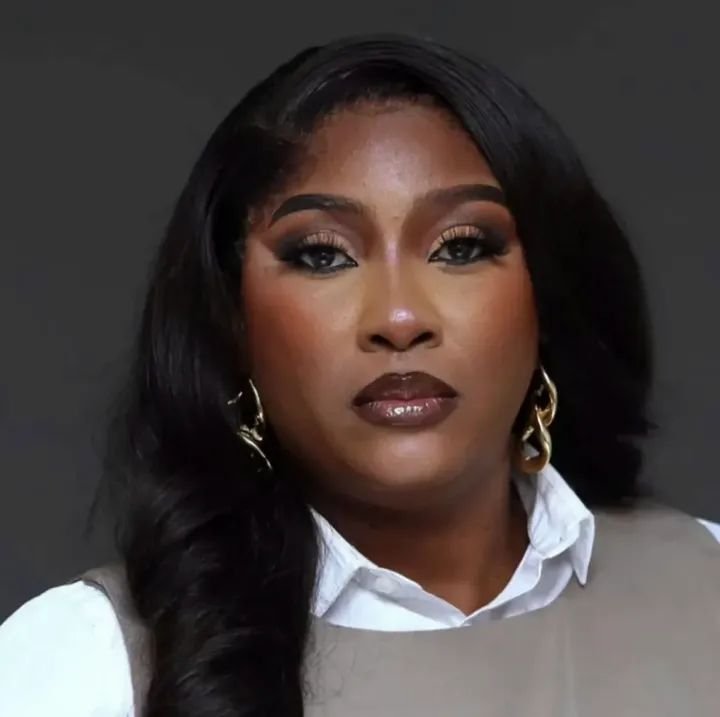
A Nigerian lawyer has ignited widespread debate after asserting that a court wedding does not necessarily prevent a Muslim man from marrying another wife under Islamic law, adding a new dimension to the ongoing public conversation surrounding the marriage of popular content creator Peller.
The lawyer’s comments emerged amid heated discussions on social media, where many Nigerians questioned whether a Muslim man who had contracted a statutory marriage—commonly referred to as a court or registry wedding—could legally marry additional wives. The issue gained traction following widespread reactions to reports about Peller’s marriage, with social media users offering differing interpretations of Nigerian marriage laws.
According to the lawyer, Islamic law permits a Muslim man to marry up to four wives provided he is capable of treating them fairly and meeting the responsibilities attached to each marriage. He argued that a court wedding alone does not automatically extinguish those religious rights, although the legal implications depend on the nature of the marriage and the applicable laws.
The comments have since generated mixed reactions among lawyers, religious scholars and members of the public, with many emphasizing that the relationship between statutory marriage and Islamic marriage in Nigeria is far more complex than social media discussions often suggest.
Understanding Nigeria’s Multiple Marriage Systems
Nigeria operates a plural legal system that recognizes different forms of marriage, including statutory marriages conducted under the Marriage Act, customary marriages, and Islamic marriages.
A statutory marriage, usually celebrated in a registry or licensed place of worship, is generally regarded as monogamous. This means the parties are expected to remain married exclusively to one another for the duration of that marriage unless it is legally dissolved.
Islamic marriages, on the other hand, are governed by Islamic personal law, which allows a Muslim man to marry more than one wife under specific religious conditions, particularly the obligation to treat all wives equally and provide for them adequately.
The coexistence of these different legal systems has, over the years, produced varying interpretations whenever statutory and Islamic marriages intersect.
Legal Experts Urge Caution
While the lawyer’s position has attracted significant attention online, many legal experts caution that the matter cannot be resolved through broad statements alone.
Family law practitioners note that the legal consequences depend on the exact type of marriage contracted, the sequence in which marriages occurred, and the relevant provisions of Nigerian law.
Experts say presenting the issue as though every Muslim man who has had a court wedding is automatically free to marry additional wives may be misleading because statutory marriages carry legal obligations distinct from marriages celebrated solely under Islamic law.
The debate therefore illustrates the need for careful legal interpretation rather than relying solely on opinions circulating on social media.
Social Media Debate Intensifies
The controversy quickly spread across X, Facebook, TikTok and Instagram, where thousands of users expressed conflicting opinions.
Some argued that freedom of religion should allow Muslims to practise polygamy regardless of the type of wedding conducted.
Others maintained that once a statutory marriage is contracted, the parties become bound by the monogamous nature of that marriage unless it is dissolved by a competent court.
Several users also urged couples intending to marry to understand the legal implications of each marriage system before exchanging vows.
Islamic Perspective on Polygyny
Islam permits a Muslim man to marry up to four wives, but only on the condition that he can deal justly with each wife.
Islamic scholars have consistently explained that the permission is accompanied by significant responsibilities, including financial maintenance, equal treatment and fairness among spouses.
Many scholars also stress that the inability to maintain equality defeats the purpose of taking additional wives, making justice the central principle behind Islamic polygyny.
Why the Debate Matters
Family law remains one of the most misunderstood areas of Nigerian jurisprudence because the country recognizes multiple legal traditions.
Legal practitioners say misunderstandings often arise when statutory law, customary law and Islamic personal law overlap.
The latest debate demonstrates how celebrity stories can trigger broader public discussions on legal rights, religious freedom and marital obligations.
For intending couples, experts recommend obtaining independent legal advice before choosing the form of marriage they wish to contract, ensuring they understand the rights and obligations associated with each system.
Public Calls for Better Legal Awareness
The viral discussion has also renewed calls for greater public education on Nigeria’s marriage laws.
Observers argue that many couples enter into marriages without fully appreciating the legal consequences attached to different marriage types.
They believe improved legal literacy could reduce disputes, misinformation and confusion whenever issues relating to divorce, inheritance, maintenance or additional marriages arise.
Legal analysts further advise Nigerians against relying exclusively on viral social media opinions, emphasizing that individual circumstances and court interpretations often determine how the law applies in specific cases.
Conclusion
The lawyer’s remarks have reignited an important national conversation about the intersection of religion and civil law in Nigeria.
Although Islamic law permits polygyny under defined conditions, the legal effect of a statutory court marriage remains a subject requiring careful interpretation based on existing laws and judicial precedents.
As discussions continue, legal experts agree on one point: understanding the legal framework governing marriage is essential before making life-changing decisions or drawing conclusions from social media debates.
Sources: Legal commentary on Islamic personal law and polygyny; judicial discussions on the interaction between civil and Islamic marriages.