Reported by Simon Daniel Yusuph l Journalist at Weng Global
Bethesda School for the Blind, Surulere, Lagos, has emerged winner of the eighth edition of the “You Can Be Their Eyes” Bible Quiz Competition, organised by the Bible Society of Nigeria (BSN) for students with visual impairments.
Bethesda secured the title after scoring 75 points, the same total recorded by Pacelli School for the Blind. The two schools were separated by a tie-breaker, with Bethesda eventually declared the winner through a drawing of the sword, according to a report by the News Agency of Nigeria published on October 9, 2026.
The competition brought together students from four participating school categories in Lagos, providing a platform for young people with visual impairments to demonstrate their knowledge of the Bible.
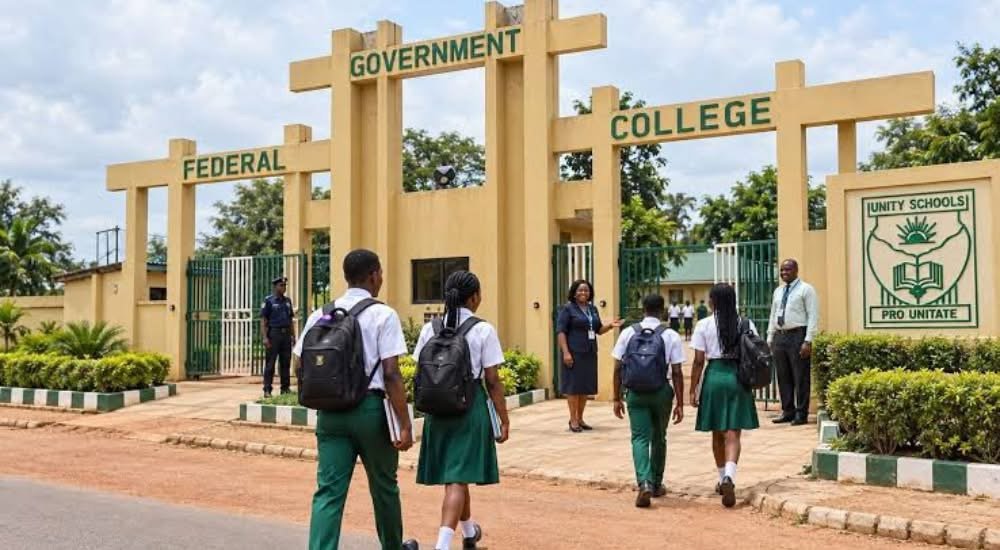
Federal Government College, Ijanikin, recorded 40 points in the junior category, while its senior category scored 20 points.
The annual initiative is part of the Bible Society of Nigeria’s efforts to encourage Bible engagement among visually impaired students and promote access to Scripture for people who face barriers to reading conventional printed materials.
Bethesda and Pacelli Finish Level Before Tie-Breaker
The contest produced a close finish between Bethesda School for the Blind and Pacelli School for the Blind, both of which scored 75 points.
With neither school able to establish an advantage through the main contest, the winner was determined through a tie-breaker. Bethesda prevailed in the final round to claim the title.
The result highlighted the competitive nature of the event and the participants’ preparation for a contest that tests their familiarity with biblical teachings.
Although the competition recognised the school that finished first, its broader purpose extends beyond awarding a winner. It creates an opportunity for students with visual impairments to participate in an organised academic and religious activity, demonstrate their abilities and interact with peers from other institutions.
The other participating teams also contributed to the contest, with students from the junior and senior categories of Federal Government College, Ijanikin, taking part alongside Bethesda and Pacelli.
The available report did not provide a complete breakdown of every stage of the quiz or the questions used in the competition. The confirmed results, however, establish that the contest ended with a tie at the top before the deciding round produced Bethesda as the overall winner.
Bible Society of Nigeria Continues Inclusion Initiative
The “You Can Be Their Eyes” Bible Quiz is an annual programme organised by the Bible Society of Nigeria for visually impaired students in Lagos State.
The initiative is connected to the organisation’s wider work to make the Bible accessible to Nigerians in different formats, including Braille for people who are blind and able to read it.
The society says visually impaired people can face significant barriers to accessing Scripture because Braille Bibles are expensive to produce and obtain. Its programme therefore combines Bible engagement with efforts to encourage confidence, participation and spiritual development among students.
Information published by the Bible Society of Nigeria shows that the quiz has been organised since 2017. Earlier editions have attracted students from special schools and other educational institutions, with participants competing to demonstrate their knowledge of biblical passages and teachings.
The programme also reflects the importance of designing religious and educational activities that accommodate people with disabilities rather than excluding them because conventional materials or methods are inaccessible.
For students who are blind, access to suitable learning materials can influence how independently they study, prepare for competitions and participate in classroom or community activities. Braille is one of the formats that can help make written information accessible to people who have learned to read through touch.
The society’s work on Bible accessibility is not limited to the quiz. Its broader initiatives include the distribution of Braille Bibles and other programmes intended to make Scripture available to people across different communities.
Braille Access Remains Important for Visually Impaired Learners
The competition draws attention to a wider issue facing people with visual impairments: access to information in formats they can use independently.
Printed books and other materials are not automatically accessible to people who cannot read standard print. Depending on a person’s needs and skills, accessible formats may include Braille, audio materials, screen-reader-compatible digital text and other assistive technologies.
Braille remains particularly important for people who use it to read and write. It enables readers to engage directly with written words rather than depending entirely on another person to read material aloud.
However, producing and distributing Braille publications can involve additional costs and specialised equipment. These challenges can make access to religious texts, educational books and other reading materials more difficult for some visually impaired people.
The Bible Society of Nigeria has identified the cost of Braille Bibles as one of the barriers addressed by its “You Can Be Their Eyes” project. The society says it has distributed Braille Bible sets through the initiative, alongside support for access to Scripture in other settings.
A Bible quiz cannot by itself resolve all the barriers to accessible education and information. Nevertheless, programmes that encourage students to read, study and demonstrate their knowledge can complement broader efforts to make suitable materials available.
The long-term value of such initiatives depends partly on whether students can continue accessing the resources they need outside competitions. Regular access to appropriate books, trained teachers and supportive learning environments remains important for sustained educational participation.
Competition Offers a Platform for Confidence and Participation
Organised competitions can provide students with opportunities to demonstrate skills that may otherwise receive limited public recognition.
For participants with visual impairments, the opportunity to compete on the basis of knowledge can challenge assumptions that disability should determine a person’s potential or level of participation.
The Bethesda victory also demonstrates why inclusive activities should be designed around the abilities and requirements of participants. Providing suitable materials and an accessible format can help ensure that students have a meaningful opportunity to take part.
The Bible Society of Nigeria has previously described the competition as a way to encourage visually impaired students to engage with Scripture. The programme gives participants a shared activity through which they can learn, prepare, compete and meet students from other schools.
The event also offers organisers and supporters an opportunity to recognise the role of special schools and the educators who assist students in their learning.
Such recognition is important, but inclusion requires more than celebrating individual achievements. Students with disabilities need continuing opportunities to access education, develop skills, participate in public life and pursue their ambitions.
The competition is one example of how organisations can create targeted programmes for people whose needs may not always be met by conventional activities.
The Bible Society’s Wider Work on Accessible Scripture
The Bible Society of Nigeria describes its mission as making the Bible available and affordable to Nigerians in their preferred languages and formats, while helping people engage with Scripture through programmes and other activities.
Its projects include Bible distribution, translation work and initiatives aimed at groups who may experience particular barriers to access.
The “You Can Be Their Eyes” project focuses on people who are blind and able to read Braille. The organisation has also developed programmes for other communities, including deaf people, through Bible materials and activities designed around sign language.
These programmes reflect the broader principle that access to religious texts should account for differences in language, literacy and disability.
For people who are blind, Braille can provide direct access to written Scripture. For deaf people, sign-language resources can make biblical content more accessible through a visual language. The appropriate format depends on the needs of the people being served.
The society’s published project information records the distribution of Braille Bible sets and describes plans to expand access. Its stated goals include reaching more visually impaired Nigerians who can use Braille but face financial or other barriers to obtaining the materials.
The scale of the challenge means that sustained support from organisations, donors and communities can be important to maintaining such programmes. Access initiatives also depend on identifying the people who need assistance and ensuring that the materials reach them.
While the Bible quiz is a distinct activity, it sits within this wider effort to encourage engagement with Scripture and improve access for people with disabilities.
Why the Result Matters
Bethesda School for the Blind’s victory is a notable achievement for the school and its contestants. It also provides a public example of students with visual impairments participating in a structured competition and demonstrating their knowledge.
The result should not be viewed only through the ranking of the schools. The participation of students from different institutions is also relevant because it creates opportunities for learning, interaction and recognition.
For families and educators, inclusive activities can reinforce the importance of providing students with the materials and support they need to develop their abilities. For organisations working on disability inclusion, the event illustrates one way to create opportunities that take account of participants’ circumstances.
However, a single competition cannot establish whether visually impaired students have equal access to educational resources or wider opportunities across Nigeria. Those questions require attention to the availability of accessible learning materials, the quality of education, infrastructure, teacher support and the removal of barriers to participation.
The competition’s wider significance therefore lies in both the achievement of its participants and the continuing need to make learning and religious engagement accessible.
Recognising the winner is important, but so is sustaining the support that enables students to prepare, participate and continue learning after the event.
What Happens Next?
Bethesda School for the Blind has been declared the winner of the eighth edition of the “You Can Be Their Eyes” Bible Quiz following the tie-breaker against Pacelli School for the Blind.
The available report does not identify a further competition date or announce specific next steps arising from this year’s result.
The Bible Society of Nigeria’s published project information indicates that the quiz is an annual initiative for visually impaired students in Lagos State. The organisation’s wider work also includes efforts to distribute Braille Bibles and promote access to Scripture for people with visual disabilities.
Continued implementation of these programmes could help more students access biblical materials and participate in activities that encourage reading, learning and confidence.
For now, Bethesda’s win marks the conclusion of this year’s contest and recognises the performance of a school that finished level with Pacelli before securing the title in the deciding round.
The result also renews attention on the value of accessible learning opportunities and the importance of ensuring that people with visual impairments can participate meaningfully in educational, religious and community life.
Weng Global – stories beyond borders
Sources
- News Agency of Nigeria (NAN), reporting published October 9, 2026.
- The Bible Society of Nigeria, information on the “You Can Be Their Eyes” Bible Quiz and Braille Bible project.
- Vanguard, reporting on the seventh edition of the “You Can Be Their Eyes” Bible Quiz in 2025.