Reported by Weng Patrick Atokor l Journalist at Weng Global
The African Union Commission has mourned the death of renowned Senegalese writer and intellectual Cheikh Hamidou Kane, describing him as a giant of African letters whose literary and public contributions influenced generations across the continent and beyond.
Kane died in Dakar at the age of 98, leaving behind a literary legacy centred on questions of African identity, education, cultural heritage and the encounter between African societies and the wider world.
The African Union Commission issued its tribute on October 4, following news of Kane’s death. In the statement, African Union Commission Chairperson Mahmoud Ali Youssouf expressed profound sadness over the passing of the Senegalese author and highlighted the lasting importance of his work.
African Union honours Kane’s literary legacy
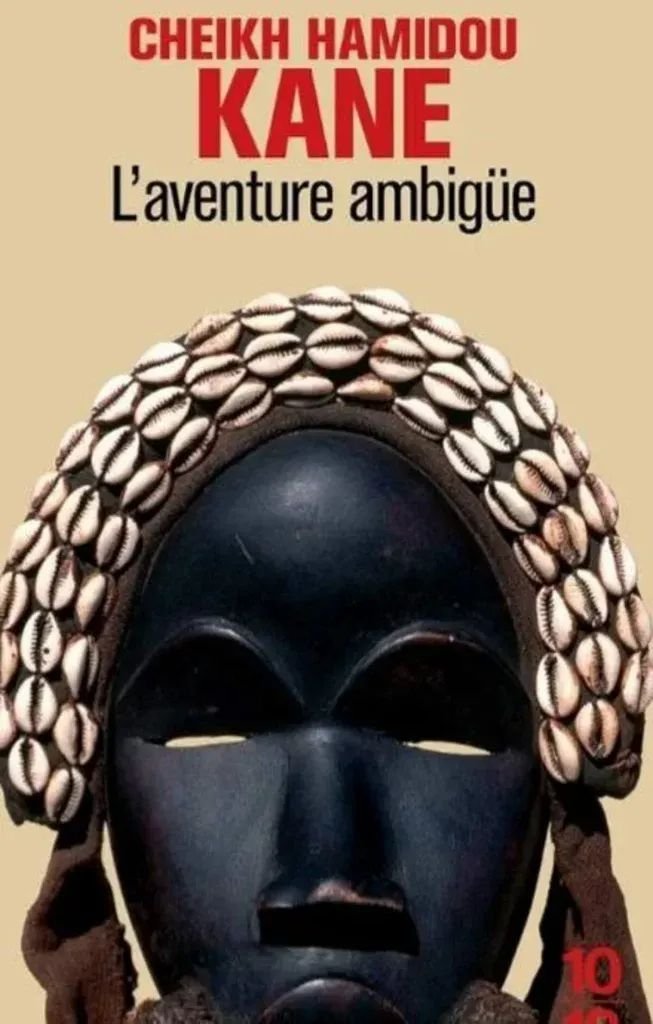
The African Union said Kane’s best-known novel, L’Aventure ambiguë (Ambiguous Adventure), remains one of the important works of African literature.
Published in 1961, the novel examines the tension between traditional African values and forms of Western education and knowledge. Through its central character, Samba Diallo, the work explores the challenges that arise when different cultural and intellectual traditions meet.
The African Union said the novel gave African literature a profound treatment of the encounter between cultures, the transmission of knowledge, education and the difficult dialogue between heritage and modernity.
The themes have remained relevant decades after the book was first published, particularly in discussions about how African societies can engage with global knowledge while preserving cultural identity.
According to the Senegalese Press Agency, L’Aventure ambiguë has been translated into more than 40 languages and has been widely studied in schools and universities.
The novel therefore extended Kane’s influence beyond Senegal and Francophone Africa, making him an important literary voice in wider international discussions about African culture and identity.
From literature to public service
Kane’s contribution to Senegal and Africa extended beyond his work as a writer.
The African Union Commission noted that he also had a distinguished career in public service. He served as governor of Thiès around the period preceding Senegal’s independence and later held senior responsibilities in government, including positions connected to industrial development, handicrafts, planning and cooperation.
He also worked in international development, including service with UNICEF and the International Development Research Centre.
The combination of literary work and public service gave Kane a distinctive place in Senegalese intellectual and political life.
The African Union described his career as reflecting a commitment to advancing Africa’s development and emancipation, both through ideas and through public action.
A life shaped by two intellectual traditions
Born on April 2, 1928, in Matam, northern Senegal, Kane grew up at the intersection of Islamic and Western educational traditions.
Senegalese broadcaster RTS reported that he first attended Quranic school before later entering the French education system. That dual educational experience became an important foundation for his intellectual outlook and literary work.
His experiences would later inform the central questions raised in L’Aventure ambiguë: how Africans could encounter new forms of knowledge without abandoning the cultural foundations that shaped them.
That question remains significant across Africa, where education, cultural identity, globalisation and the preservation of indigenous knowledge continue to generate debate.
Senegal mourns a national literary figure
Kane’s death has prompted tributes from Senegalese officials and cultural figures.
Senegalese President Bassirou Diomaye Faye expressed sadness over his death and highlighted the enduring significance of L’Aventure ambiguë.
According to reports from the African Press Agency and Senegal’s national press agency, the president described Kane as a servant of Senegal whose literary work had given generations of Africans a way to think about opening themselves to global knowledge without losing their identity.
Several Senegalese officials also attended tributes following Kane’s death. The Senegalese Press Agency reported that ministers and other figures described him as generous and modest while recognising his contribution to the country’s intellectual and political development.
His death has consequently been treated not simply as the loss of a celebrated novelist, but as the passing of a figure who participated in the cultural and institutional development of post-independence Senegal.
A literary legacy that extends beyond Senegal
Kane’s importance to African literature rests largely on the continuing relevance of the questions raised by his writing.
L’Aventure ambiguë emerged at a critical period in African history, when newly independent societies were confronting the legacy of colonial education while attempting to define their own political, cultural and intellectual futures.
Rather than presenting the relationship between African and Western traditions as a simple conflict, Kane’s work explored the complexities involved in navigating both worlds.
That approach helped make the novel an enduring reference point in African literature.
His second major novel, Les Gardiens du temple, was published in 1995 and further developed his engagement with African society, political change and cultural questions. Reports following his death have highlighted both books as important parts of his literary legacy.
Why Kane’s death matters to African literature
The African Union’s tribute underscores the wider continental significance of Kane’s passing.
Africa’s literary history has been shaped by writers whose works challenged colonial narratives, explored cultural identity and documented the intellectual struggles accompanying political independence.
Kane belonged to that generation.
His writing connected questions of education and cultural identity to the broader challenge of defining Africa’s relationship with the wider world.
His influence also demonstrates the role literature can play beyond entertainment. Books can preserve historical experiences, question assumptions, encourage intellectual debate and provide future generations with frameworks for understanding their societies.
For African readers, Kane’s work remains relevant because the tensions he explored have not disappeared.
African societies continue to debate the relationship between traditional knowledge and modern education, indigenous languages and international languages, cultural preservation and globalisation.
The African Union’s tribute
In its official statement, the African Union Commission said Kane’s work had profoundly shaped Africa’s intellectual and public life.
Youssouf also extended condolences to Kane’s family, the Senegalese government and people, and the wider African literary and cultural community.
The tribute reflects the continental recognition of Kane not only as a Senegalese author but as part of Africa’s broader intellectual heritage.
His career illustrates how literature, public service and ideas can intersect in the development of a nation and a continent.
What happens next
Kane’s death will likely lead to further tributes and renewed attention to his literary works, particularly L’Aventure ambiguë and Les Gardiens du temple.
His burial took place at the Yoff Muslim cemetery in Dakar following tributes at Fann Hospital, according to Senegalese reporting.
For African literature, however, Kane’s influence extends beyond the immediate mourning period.
His books remain available to new generations of readers, while the questions at the centre of his work continue to shape conversations about education, identity, culture and Africa’s relationship with the wider world.
Cheikh Hamidou Kane’s death marks the end of the life of one of Senegal’s most influential literary and public figures. His ideas, however, remain part of the continuing African conversation about how a continent can embrace knowledge from around the world while retaining a strong sense of its own identity.
Weng Global – Stories beyond borders
Sources
- African Union Commission — Statement by the AUC Chairperson in Tribute to Cheikh Hamidou Kane.
- Agence de Presse Sénégalaise (APS) — Profile and reports on the death and legacy of Cheikh Hamidou Kane.
- RTS Senegal — Report on Kane’s life, literary career and death.
- Punch — Report on the African Union’s tribute to Kane.
- TV5MONDE/AFP — Report on Kane’s death at 98 and his literary legacy.