Reported by Simon yusuph,| Journalist at wengglobal
As political conversations around Nigeria’s 2027 general election continue to gain momentum, former Vice President and presidential candidate of the Peoples Democratic Party (PDP), Atiku Abubakar, has called on Nigerians to reject vote-buying and instead elect leaders based on competence, integrity, and proven capacity to deliver good governance.
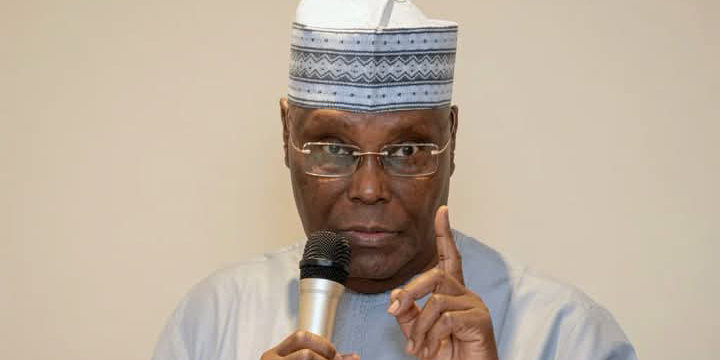
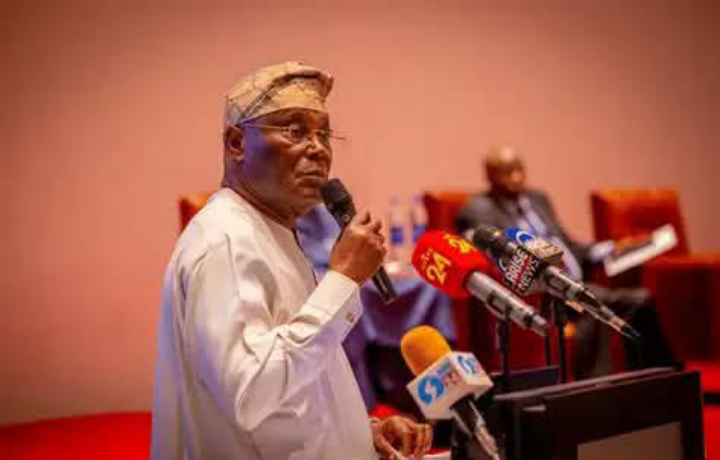
Speaking during a public engagement focused on Nigeria’s democratic future, Atiku urged citizens particularly young voters to resist the growing culture of exchanging their votes for short-term material benefits such as bags of rice, cash, or other inducements. According to him, such practices weaken democracy, encourage poor leadership, and prolong the country’s social and economic challenges.
The former vice president stressed that the 2027 presidential election represents another critical opportunity for Nigerians to reshape the nation’s future through informed and responsible voting.
Democracy Demands Responsible Choices
Atiku argued that democracy thrives when citizens make decisions based on policies, competence, accountability, and national interest rather than immediate personal gains.
He warned that accepting inducements during elections often leads to years of ineffective governance, as elected officials who secure power through vote-buying frequently feel less accountable to the electorate.
According to him, every election should serve as an opportunity to evaluate candidates based on their experience, vision for national development, commitment to economic growth, security reforms, education, healthcare, infrastructure, and the fight against corruption.
“The future of Nigeria cannot be exchanged for temporary gifts,” Atiku said while encouraging voters to carefully assess those seeking public office.
Youth Hold the Key to Nigeria’s Future
Addressing young Nigerians, Atiku described them as the largest and most influential voting bloc capable of determining the country’s political direction.
He urged first-time voters and young professionals to actively participate in the democratic process by registering to vote, obtaining their Permanent Voter Cards (PVCs), engaging in civic education, and rejecting political manipulation.
According to him, Nigeria’s youthful population possesses the numerical strength to demand better governance, improved employment opportunities, technological advancement, quality education, and inclusive economic policies.
Political observers note that youth participation became increasingly significant during the 2023 elections and is expected to play an even larger role in 2027 as digital engagement and civic awareness continue to expand.
Vote-Buying Remains a Major Democratic Challenge
Election observers have repeatedly identified vote-buying as one of the most persistent threats to Nigeria’s electoral credibility.
Civil society organisations and election monitoring groups have consistently raised concerns over the distribution of cash, food items, and other incentives to voters before and during elections.
Analysts argue that poverty, unemployment, inflation, and economic hardship often create conditions that make voters vulnerable to electoral inducements.
However, democratic governance experts maintain that accepting such incentives ultimately undermines accountability because elected officials may prioritise recovering campaign expenditures instead of delivering public services.
Atiku’s comments therefore align with longstanding calls by election observers for stronger enforcement of electoral laws and increased voter education.
Calls for Issue-Based Politics
Beyond discouraging vote-buying, Atiku advocated for issue-based campaigns where political parties present clear policy alternatives instead of relying on ethnic, religious, or financial influences.
He maintained that Nigerians deserve meaningful debates on critical national issues, including:
- Economic diversification
- Rising inflation and cost of living
- Employment creation
- National security
- Education reforms
- Healthcare improvement
- Power supply
- Agricultural development
- Infrastructure expansion
- Anti-corruption measures
According to the former vice president, political campaigns should focus on practical solutions capable of improving citizens’ living standards rather than personality attacks or divisive rhetoric.
Growing Political Activities Ahead of 2027
Although the next general election is still months away, political consultations, alliance discussions, and strategic realignments have continued across Nigeria’s major political parties.
Political analysts believe early engagement reflects growing public interest in governance following years of economic reforms, security concerns, inflationary pressures, and debates over institutional accountability.
Several opposition figures have continued to advocate electoral reforms, stronger democratic institutions, and greater transparency within Nigeria’s political system.
Observers also expect debates around electoral integrity, campaign financing, technology-driven voting processes, and youth inclusion to dominate discussions as preparations for the 2027 elections progress.
Electoral Accountability and Citizen Responsibility
Good governance advocates have repeatedly argued that elections should be viewed as long-term investments rather than short-term transactions.
Governance experts note that leaders elected through transparent, competitive, and issue-based elections are generally more accountable to citizens than those who rely heavily on financial inducements.
Political scientists further argue that sustained civic education remains essential to strengthening democratic institutions and increasing voter confidence in Nigeria’s electoral process.
Independent observers have also encouraged institutions responsible for election management and law enforcement to intensify efforts against electoral malpractice while ensuring that all political actors comply with existing electoral regulations.
Wengglobal Analysis
Atiku Abubakar’s latest appeal adds to the broader national conversation surrounding electoral accountability and democratic responsibility ahead of Nigeria’s next presidential election.
Whether or not his message translates into measurable behavioural change among voters remains uncertain. However, political analysts agree that discouraging vote-buying and promoting competence-based leadership are central to improving democratic governance.
As Nigeria prepares for another election cycle, the choices made by millions of voters—particularly young people—will significantly influence the country’s political, economic, and social trajectory.
For many governance advocates, strengthening democracy requires not only credible candidates but also an informed electorate willing to prioritise long-term national development over temporary material incentives.
Ultimately, the credibility of Nigeria’s democracy depends on the collective commitment of political leaders, electoral institutions, civil society organisations, and citizens to uphold transparency, accountability, and the rule of law.
Sources:
- Punch Newspapers
- Premium Times
- Vanguard Nigeria
- TheCable
- Channels Television
- Daily Trust
- Reuters (background coverage on Nigeria’s elections and democratic reforms)