Reported by Weng Patrick Atokor | Journalist at Weng Global
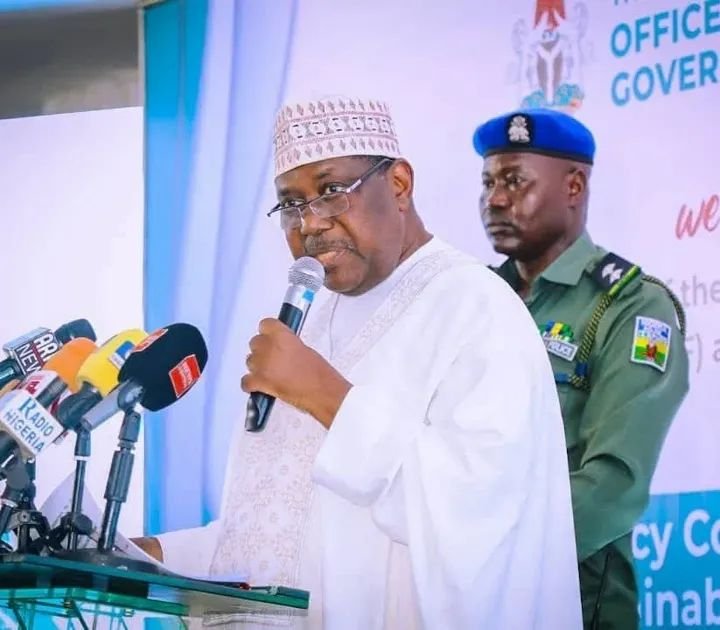
Nigeria’s Minister of Education, Dr. Tunji Alausa, has announced plans by the Federal Government to establish a dedicated military medical college aimed at training doctors, nurses, and other healthcare professionals specifically for the country’s Armed Forces.
The proposed institution is expected to begin admitting students in 2027, marking what government officials describe as a significant step toward strengthening Nigeria’s military healthcare system while reducing dependence on civilian medical institutions for the training of defence medical personnel.
The initiative forms part of broader efforts by the Federal Government to improve healthcare delivery within the Nigerian Armed Forces, enhance national security preparedness, and address persistent shortages of qualified medical personnel serving in military hospitals and operational units.
Strengthening military healthcare
Speaking on the initiative, Alausa said the proposed military medical college would provide specialized education tailored to the unique healthcare demands of military service.
According to the minister, the institution will produce doctors, nurses, pharmacists, laboratory scientists and other allied health professionals equipped with both medical expertise and an understanding of military operations.
He noted that military personnel often operate under conditions different from those encountered in civilian healthcare settings, requiring professionals trained in trauma medicine, battlefield emergency care, disaster response, infectious disease management, rehabilitation and psychological support.
“The vision is to build a world-class institution that produces highly skilled healthcare professionals dedicated to serving the Armed Forces while contributing to national healthcare development,” the minister said.
Addressing manpower shortages
For years, Nigeria’s military hospitals have relied largely on graduates from civilian universities and colleges of medicine.
While many have served with distinction, defence authorities have consistently highlighted shortages of specialised personnel, particularly in remote military formations and operational theatres where troops confront insurgency, banditry and other security challenges.
Medical experts say retaining military healthcare workers has also remained difficult as many professionals migrate to civilian practice or seek opportunities abroad.
The proposed medical college is expected to create a sustainable pipeline of professionals committed to military service from the beginning of their careers.
Officials believe the institution will improve continuity in healthcare delivery across army, navy and air force medical facilities.
Training beyond conventional medicine
Beyond producing doctors and nurses, the college is expected to incorporate military leadership, operational medicine, emergency preparedness and humanitarian response into its curriculum.
Students are likely to receive training in areas including:
- Battlefield trauma management
- Combat casualty evacuation
- Military surgery
- Disaster medicine
- Public health surveillance
- Mental health and psychological resilience
- Tropical medicine
- Preventive healthcare
- Aviation and naval medicine
Such specialised programmes are designed to prepare graduates for deployment in conflict zones, peacekeeping operations and emergency humanitarian missions.
Supporting Nigeria’s security architecture
Analysts say improved military healthcare contributes directly to national security.
Healthy troops are better prepared to undertake demanding operations, while efficient medical support enhances morale and operational effectiveness.
Nigeria continues to face multiple security threats, including terrorism in the North-East, banditry across the North-West, communal violence in parts of the Middle Belt and maritime security challenges in the Gulf of Guinea.
Military medical personnel play a critical role in stabilising injured personnel, controlling disease outbreaks and supporting emergency responses during national disasters.
Government officials believe the new institution will strengthen these capabilities over the long term.
Partnership with defence institutions
Although full details are yet to be released, the college is expected to work closely with the Defence Headquarters, the Nigerian Army, Nigerian Navy, Nigerian Air Force, military hospitals and relevant regulatory agencies.
The collaboration will help ensure graduates meet national accreditation standards while receiving military-specific education.
Experts also anticipate partnerships with teaching hospitals, research institutions and international military medical organisations to promote advanced research and specialised training.
Boost for medical education
The announcement comes as Nigeria continues expanding access to medical education amid growing concerns over shortages of healthcare professionals.
The country has witnessed increased investment in new colleges of medicine and nursing programmes to address rising healthcare demands.
Government officials believe specialised institutions such as the proposed military medical college will complement existing universities rather than compete with them.
The initiative also aligns with ongoing reforms aimed at improving the quality of tertiary education and expanding opportunities for students interested in healthcare careers.
Tackling brain drain
Nigeria’s health sector continues to grapple with the migration of doctors, nurses and other professionals seeking better remuneration and working conditions abroad.
The military has not been immune to this challenge.
By providing structured career progression, specialised training and long-term service opportunities, authorities hope the new medical college will encourage more healthcare professionals to build careers within the Armed Forces.
Education and defence stakeholders argue that producing military-trained professionals locally is more sustainable than relying solely on external recruitment.
Research and innovation
The proposed institution is also expected to become a centre for research in military medicine.
Areas of focus may include infectious diseases, trauma care, rehabilitation medicine, emergency response systems, telemedicine and medical technologies suited to operational environments.
Research findings could support both military and civilian healthcare systems, particularly in disaster preparedness and emergency medicine.
Experts note that advances developed for military medicine frequently benefit civilian healthcare through improved trauma management, surgical techniques and emergency response protocols.
Economic and national benefits
Beyond strengthening defence healthcare, the college is expected to generate employment opportunities for academic staff, researchers, healthcare workers and administrative personnel.
Construction and operation of the institution could also stimulate local economic activity while increasing educational opportunities for qualified Nigerian students.
Government officials say investing in healthcare education remains essential for achieving broader national development goals.
Stakeholders welcome initiative
Health professionals and education stakeholders have largely welcomed the proposal, describing it as a timely intervention that could improve healthcare delivery within the Armed Forces.
They, however, emphasised the importance of adequate funding, modern teaching facilities, international accreditation and competitive welfare packages to ensure the institution achieves its objectives.
Observers also called for transparent admission processes, merit-based recruitment of faculty and sustained government support beyond the project’s launch.
Looking ahead
As preparations begin for the proposed 2027 commencement, attention will shift to legislative approvals, infrastructure development, accreditation processes and curriculum design.
If successfully implemented, the military medical college could become one of Nigeria’s most significant investments in defence healthcare education, producing generations of doctors, nurses and allied health professionals equipped to serve both the Armed Forces and the nation during peace and conflict.
The initiative underscores the Federal Government’s commitment to strengthening the intersection of education, healthcare and national security while building a more resilient military health system for the future.
Sources: Federal Ministry of Education; Defence Headquarters; National Universities Commission (NUC); Federal Ministry of Defence.