Reported by Simon Daniel Yusuph l Journalist at Weng Global
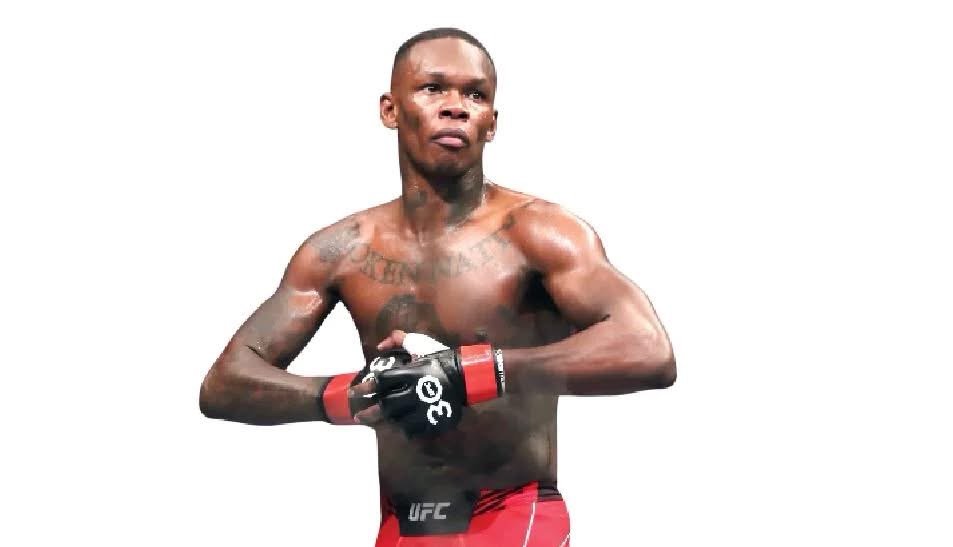
Former Ultimate Fighting Championship (UFC) middleweight champion Israel Adesanya has vowed never to return to professional fighting once he officially retires, saying he wants to prepare for life beyond combat sports rather than risk returning because he misses the spotlight.
The Nigerian-born New Zealand-based fighter made his position clear in a video published on his YouTube channel, where he discussed his retirement plans alongside fellow UFC fighter and training partner Alexander Volkanovski.
Adesanya, a two-time UFC middleweight champion, said he had seen fighters struggle to leave the sport permanently because they found it difficult to adjust to life without competition, recognition and the excitement of fighting.
The 37-year-old explained that he did not want to follow the same path, stressing that his eventual retirement would mark a permanent departure from professional competition.
His comments come as he reflects on the next stage of his career following four consecutive defeats in the UFC. However, he has not announced an immediate retirement, and his remarks concern what he intends to do when he eventually decides to stop fighting.
Adesanya also credited former UFC champion Georges St-Pierre for helping him develop a more positive outlook on life after professional fighting. He said conversations with the retired mixed martial arts legend had reassured him that there were opportunities and fulfilling experiences beyond competing inside the octagon.
Adesanya Wants a Permanent Retirement
Adesanya said his decision to avoid a comeback after retirement was influenced by watching other fighters struggle to find direction after leaving the sport.
Professional fighting can bring athletes international recognition, financial opportunities and a strong sense of identity. For fighters who spend years training, competing and preparing for major events, retirement can mean adjusting to a lifestyle that is significantly different from the one they have known.
Adesanya acknowledged that the attention and achievements associated with a successful fighting career could make it difficult for some athletes to walk away permanently.
He explained that he did not want to become someone who returned to competition simply because he could not find another way to channel his energy.
The former champion said he had observed fighters returning after retirement because they struggled to determine what to do with themselves once their competitive careers ended.
His position reflects a desire to make retirement a deliberate decision rather than a temporary break followed by another comeback.
For Adesanya, leaving the sport will require developing interests and opportunities that can provide the excitement and purpose he currently finds in fighting.
He has indicated that he wants to approach the transition with a clear understanding that professional competition is only one part of his life.
The comments also suggest that he is thinking about retirement as a personal and professional transition rather than simply the end of his appearances in the UFC.
Although he remains an active fighter, his willingness to discuss life after competition shows that he is considering how he wants the later stages of his career to unfold.
Georges St-Pierre’s Advice Helps Shape His Thinking
Adesanya identified Georges St-Pierre as an important source of guidance as he considers his eventual departure from professional fighting.
St-Pierre, widely regarded as one of the greatest mixed martial artists of his generation, retired from professional competition in February 2019 after establishing himself as a dominant champion in the UFC welterweight division.
He also won the UFC middleweight championship when he returned to competition in 2017, defeating Michael Bisping at UFC 217.
St-Pierre’s career gave him experience at the highest level of mixed martial arts, including the pressures associated with championship fights, international recognition and the expectations placed on elite athletes.
Adesanya said that experience makes the former champion’s advice particularly valuable.
According to Adesanya, relatively few people can fully understand the experience of reaching the top of the sport and then having to determine what comes next.
He explained that St-Pierre’s perspective carries weight because he has already gone through the process of stepping away from competition after achieving considerable success.
The conversations have helped Adesanya develop confidence that he can build a satisfying life without needing to continue fighting.
Rather than viewing retirement as the loss of his identity, he appears increasingly interested in the opportunities available beyond the octagon.
St-Pierre’s example offers a practical reference point for a fighter who has spent much of his adult life competing in combat sports.
However, Adesanya’s plans will ultimately depend on his own interests, financial circumstances and decisions about how he wants to spend his time after retirement.
His comments indicate that he is attempting to prepare for those questions before the moment arrives.
Four Consecutive Defeats Mark a Difficult Period
Adesanya’s retirement comments come during a challenging period in his competitive career.
The former champion has lost his last four UFC fights, including defeats to Sean Strickland, Dricus du Plessis, Nassourdine Imavov and Joe Pyfer.
His most recent victory was a knockout win over Alex Pereira in April 2023, when he reclaimed the UFC middleweight championship at UFC 287.
That victory was a significant moment in his rivalry with Pereira, who had previously defeated him in kickboxing and beaten him in their first UFC meeting.
Adesanya’s subsequent defeats have raised questions about the direction of his career, particularly as he approaches the later stages of his professional fighting journey.
His loss to Strickland at UFC 293 in September 2023 cost him the middleweight title. He later lost to du Plessis at UFC 305 in August 2024 before suffering another defeat against Imavov in February 2025.
In March 2026, Adesanya lost to Joe Pyfer in the main event of UFC Fight Night in Seattle, extending his losing run to four consecutive fights.
The sequence represents a difficult stretch for a fighter who previously established himself as one of the leading figures in the UFC middleweight division.
Nevertheless, a series of defeats does not automatically mean that a fighter is ready to retire. Adesanya’s latest comments should not be interpreted as confirmation that he intends to leave the sport immediately.
Instead, he is outlining the principles he wants to follow whenever he eventually makes that decision.
His future will depend on several factors, including his appetite for competition, his physical condition, the opportunities available to him and his assessment of what he can still achieve inside the octagon.
Adesanya Still Sees Opportunities Beyond Fighting
One of the central themes in Adesanya’s remarks is his determination to develop interests outside professional combat sports.
The former champion has indicated that he expects to seek other activities capable of providing the excitement and challenge he has experienced throughout his fighting career.
He has spoken about potentially pursuing adventurous activities, including running with bulls, as well as participating in the World Series of Poker.
These examples reflect his interest in finding new outlets for his appetite for risk and adrenaline.
Professional fighters often build their routines around intense physical preparation, competition and the anticipation of major events. Leaving that environment can require a significant adjustment, particularly for athletes whose careers have been defined by public attention and competitive achievement.
Adesanya’s comments suggest that he wants to approach retirement by identifying alternative interests rather than expecting the transition to happen without preparation.
However, adventurous activities also carry risks of their own. His remarks describe possible interests rather than confirmed retirement projects or a formal schedule of activities.
Beyond these pursuits, Adesanya has also discussed opportunities in the entertainment industry.
He revealed that he had previously turned down two major film roles because of commitments associated with defending his UFC championship.
Those missed opportunities indicate that his fighting career has sometimes required him to prioritise competition over other professional possibilities.
With retirement eventually approaching, he may have greater freedom to explore opportunities that previously conflicted with his training and fight schedule.
Acting is one possibility, although Adesanya has also expressed interest in the video game industry.
His comments suggest that he is considering several directions rather than limiting himself to a single career after fighting.
For an athlete with international recognition, those interests could provide opportunities to remain active professionally without continuing to absorb the physical demands of mixed martial arts competition.
Any future projects, however, will depend on the opportunities he chooses to pursue and whether they develop into confirmed commitments.
Why Retirement Planning Matters for Professional Fighters
Adesanya’s remarks highlight a wider issue in professional sport: the challenge of preparing athletes for life after competition.
Elite fighters can spend years organising their lives around training camps, weight management, recovery, travel and competition schedules.
For championship-level athletes, public attention can also become closely connected to their professional identity.
Retirement changes those circumstances. Athletes must decide how to use their time, maintain their interests and establish new professional or personal goals.
For some, the transition involves coaching, broadcasting, business, entertainment or other work connected to their sporting experience. Others choose to leave the public spotlight and focus on family, education or personal interests.
The experience differs from one athlete to another, and there is no single path that guarantees a successful transition.
Adesanya’s emphasis on finding other sources of excitement suggests that he recognises the importance of replacing the activities and challenges that have shaped his life as a fighter.
His approach also highlights the value of learning from athletes who have already retired.
St-Pierre’s experience provides an example of someone who reached the highest level of the sport and subsequently stepped away from professional competition.
For Adesanya, those conversations appear to offer reassurance that his future does not have to depend on maintaining a fighting career.
The issue extends beyond individual athletes. Sporting organisations, managers and support teams can also play a role in helping competitors prepare for life after retirement.
Career planning, financial management, education and opportunities outside sport can help athletes build alternatives before their competitive careers end.
Adesanya’s comments do not establish that every fighter experiences retirement in the same way. They do, however, illustrate why preparation for life after competition can be an important consideration for athletes whose professional identities are closely tied to sport.
Adesanya’s Legacy Extends Beyond His Recent Results
Despite his recent defeats, Adesanya remains a prominent figure in modern mixed martial arts.
He built his reputation through striking ability, movement, counterattacking skills and performances that helped establish him as one of the leading competitors in the UFC middleweight division.
His championship victories and rivalry with Pereira became defining elements of his career.
Adesanya first won the UFC middleweight championship in 2019 by defeating Kelvin Gastelum in a closely contested fight. He went on to defend the title against several prominent contenders before losing it to Strickland in 2023.
His victory over Pereira later that year demonstrated his ability to recover from setbacks and reclaim championship status.
That history provides context for his current situation. His recent losing streak is an important part of his career, but it does not erase his earlier achievements.
His eventual legacy will be assessed through the full body of his work, including his championship reigns, notable victories, performances against leading opponents and contribution to the sport’s international profile.
Adesanya’s decision about when to retire will also influence how the final chapter of his career unfolds.
Some athletes seek one final championship run, while others prioritise their health, personal circumstances or opportunities outside competition.
Adesanya has not set out a definitive retirement date in the comments reported. He has instead made clear that when he decides the time has come, he intends to remain retired.
That distinction is important because his present plans should not be confused with an announcement that his professional career has ended.
What Happens Next for Israel Adesanya?
Adesanya’s immediate future in the UFC remains separate from his long-term retirement intentions.
As of the latest reports, no official date for his retirement has been announced. His comments do not establish that he has decided to stop fighting after his four consecutive defeats.
The former champion has continued to discuss the possibility of life beyond the sport while reflecting on the lessons he has received from St-Pierre.
His next career decision will depend on whether he wants to continue competing and what opportunities become available.
Any future fight announcement, change in training arrangements or formal retirement declaration would need to be confirmed through reliable reporting or an official statement.
For now, the clearest message from Adesanya is that he wants control over the end of his career.
He does not want to return to professional competition simply because he misses the spotlight or struggles to identify a purpose outside fighting.
His plans to explore other interests, including entertainment and adventurous pursuits, suggest that he is considering how to maintain a sense of challenge once his competitive career is over.
The guidance he has received from St-Pierre appears to have strengthened his confidence in that transition.
For fans, the distinction is significant: Adesanya has not announced an immediate retirement, but he has stated that he does not intend to make a comeback once he eventually leaves the sport.
His next chapter, whenever it begins, is one he wants to define on his own terms.
Weng Global – stories beyond borders
Sources
- PUNCH Sports Extra — reporting on Adesanya’s retirement comments and career situation.
- MMA Fighting — reporting on Adesanya’s retirement plans and previous comments about his future in mixed martial arts.
- MMA News — reporting on Adesanya’s conversations with Georges St-Pierre and his outlook on life after fighting.
- UFC — official competition records and championship history.