Reported by Simon Daniel Yusuph l Journalist at Weng Global
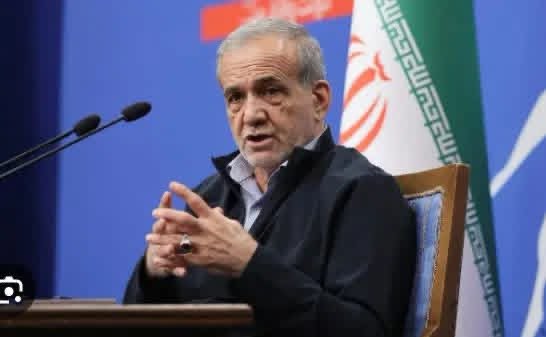
Iranian President Masoud Pezeshkian has described negotiations with the United States as “meaningless,” arguing that previous diplomatic engagements have been followed by renewed attacks and continued pressure on Tehran.
Pezeshkian made the remarks on Monday, October 5, 2026, during a meeting in Tehran with Armenia’s Foreign Minister Ararat Mirzoyan, according to Iranian state media and reports by international news agencies.
The comments come as diplomatic efforts to end the prolonged US-Iran confrontation remain stalled, with disagreements over sanctions, the Strait of Hormuz, Iran’s nuclear programme and the conditions for any broader settlement continuing to complicate negotiations.
Pezeshkian Questions the Value of US Negotiations
Pezeshkian said Iran had engaged in talks with Washington on several occasions but had subsequently faced military action.
He argued that the pattern demonstrated, in Tehran’s view, that the United States was not genuinely seeking a negotiated settlement.
Iran’s president was quoted by the state news agency IRNA as saying that the United States had attacked Iran three times after talks and that this showed Washington’s objective was not dialogue but the overthrow of the Islamic Republic.
Pezeshkian also cited what he described as continuing assassination attempts, sanctions, political pressure and threats against Iran.
His comments represent a significant hardening of rhetoric at a time when intermediaries, including Qatar and Pakistan, have continued efforts to keep diplomatic channels open between Tehran and Washington.
The remarks were made in the presence of Armenia’s foreign minister, whose government has maintained diplomatic and economic relations with Iran while also pursuing its own regional relationships.
US-Iran Diplomacy Remains Stalled
The latest statement comes after months of confrontation and intermittent diplomatic efforts between Tehran and Washington.
The United States and Iran have been involved in indirect negotiations, with mediators attempting to bridge differences over sanctions, security arrangements, Iran’s nuclear activities and access through the Strait of Hormuz.
Recent talks have produced limited progress.
Reuters reported in September that Iranian and US positions remained far apart despite renewed indirect negotiations mediated by Qatar. Iran had been seeking measures including the lifting of the US naval blockade and reopening of the Strait of Hormuz, while Washington continued to maintain pressure on Tehran.
The diplomatic impasse has increased uncertainty over whether the two countries can reach a durable arrangement or whether the confrontation will return to a more sustained military phase.
The United States has also continued applying economic pressure on Iran.
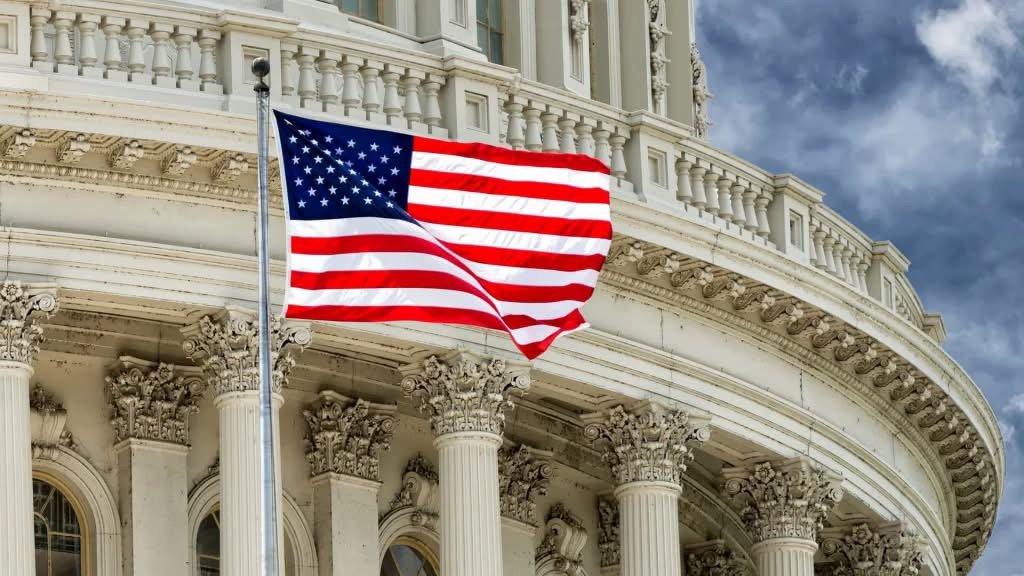
On October 5, the US Treasury Department warned that foreign financial institutions conducting business with Iran or its financial sector could face sanctions without prior notice. The announcement followed a series of American measures targeting Iranian financial networks and sanctions-evasion mechanisms.
Strait of Hormuz Remains Central to the Dispute
One of the most important issues in the confrontation is the Strait of Hormuz, a narrow waterway connecting the Persian Gulf with the Gulf of Oman.
The route is critical to global energy markets because a substantial share of the world’s oil and liquefied natural gas shipments pass through it.
Iran has said the waterway will not fully reopen until conditions contained in an interim agreement reached earlier in the year are fulfilled.
According to Reuters, Iranian officials have linked the reopening of the strait to seven conditions contained in the June memorandum of understanding, while Tehran has continued to reject what it considers unacceptable sequencing of the commitments.
The dispute has created uncertainty for international shipping and energy markets.
Reuters reported on October 5 that Middle Eastern oil exports through the region had recovered to levels above those recorded before the conflict during parts of September. However, attacks on tankers in early October have increased maritime security concerns.
The Strait of Hormuz remains particularly important because it handles roughly one-fifth of global oil and liquefied natural gas supplies.
US Pressure on Iran Continues
Washington has continued to use financial sanctions as a major instrument of pressure against Tehran.
The US Treasury Department announced on October 1 that it had taken action against what it described as the A7 Network, a shadow banking network linked to Russia and used by Iran to evade sanctions.
Treasury said its measures included sanctions against the network and a proposed rule aimed at restricting certain financial transactions associated with it.
The latest action is part of a wider American campaign designed to restrict Iran’s access to international financial channels.
Washington has also targeted companies, individuals, financial institutions and procurement networks that it says support Iran’s military and sanctions-evasion activities.
From the US government’s perspective, these measures are intended to reduce Tehran’s ability to finance military operations and circumvent restrictions imposed on its economy.
For Iran, however, the continued sanctions form part of the pressure that Pezeshkian cited in rejecting the value of negotiations.
Tehran’s Position
Pezeshkian’s comments reflect Tehran’s continuing insistence that any meaningful diplomatic process must be based on commitments that Iran considers reliable and enforceable.
Iranian officials have repeatedly argued that negotiations cannot succeed if military pressure and sanctions continue alongside diplomatic engagement.
The Iranian government has also maintained that the country has the right to protect its interests and has rejected demands that it regards as undermining its sovereignty.
At the same time, Iranian officials have not entirely abandoned diplomacy.
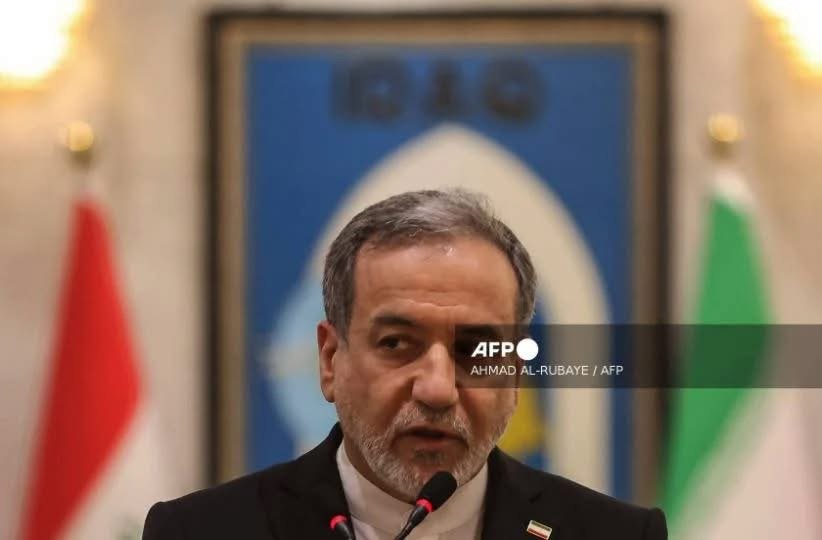
Recent reports indicate that Iranian Foreign Minister Abbas Araghchi has continued to engage with intermediaries and that Qatar and Pakistan have remained involved in efforts to reduce tensions.
That distinction is important.
Pezeshkian’s latest comments indicate deep distrust of direct negotiations with Washington under current conditions, but they do not necessarily amount to a formal announcement that Iran has permanently closed every diplomatic channel.
Armenia Seeks Stronger Relations With Iran
Pezeshkian’s comments came during his meeting with Armenian Foreign Minister Ararat Mirzoyan, who was visiting Tehran.
Beyond the US-Iran confrontation, the meeting also provided an opportunity for Iran and Armenia to discuss bilateral relations.
Iran has sought to strengthen economic, trade, scientific, technological and cultural cooperation with Armenia as it attempts to expand regional partnerships while facing extensive Western sanctions.
The Armenian side has likewise maintained engagement with Tehran despite the broader geopolitical tensions surrounding Iran.
The meeting therefore carried significance beyond the immediate dispute between Iran and the United States.
For Tehran, stronger ties with neighbouring and regional countries provide alternative diplomatic and economic channels at a time when relations with Washington remain deeply strained.
Economic Pressure Adds to the Tension
The diplomatic dispute is taking place against a difficult economic backdrop.
Iran has faced extensive international sanctions, restrictions on its access to foreign currency and disruptions to oil and trade flows.
The United States has intensified efforts to prevent Iranian entities from accessing international financial networks, while Tehran has sought alternative mechanisms to maintain trade and revenue flows.
The wider conflict has also affected energy markets.
Reuters reported that crude oil prices remained above $100 per barrel on October 5, while disruptions and logistical constraints continued to influence global energy markets. The Strait of Hormuz remains a major factor because of its importance to international oil and gas transportation.
For countries heavily dependent on imported energy, prolonged instability could increase transportation and fuel costs.
The consequences can extend beyond the Middle East through higher energy prices, inflationary pressure and increased shipping costs.
Why Pezeshkian’s Statement Matters
Pezeshkian’s remarks are significant because diplomacy remains one of the few mechanisms available for reducing the risk of another major escalation between Iran and the United States.
Calling negotiations “meaningless” signals the depth of Tehran’s distrust of Washington and creates additional uncertainty around future diplomatic initiatives.
However, the statement should also be understood within the context of an ongoing dispute in which both sides continue to maintain sharply different positions.
Iran says military pressure and sanctions undermine diplomacy.
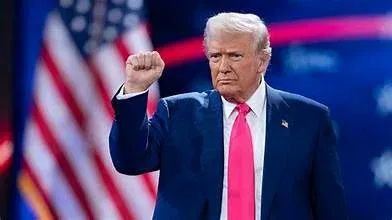
The United States, meanwhile, continues to use sanctions and other measures to pressure Tehran over issues including its military capabilities, nuclear programme and regional activities.
Neither side has publicly demonstrated that it is prepared to accept all of the other’s core demands.
The result is a diplomatic environment in which negotiations remain possible but difficult.
Regional and Global Implications
The continuing US-Iran confrontation extends beyond the two countries.
The conflict affects neighbouring states, international shipping routes, energy markets and governments that maintain economic or diplomatic relations with Tehran and Washington.
For countries in Africa, including major energy importers, sustained disruption in global oil markets could have economic consequences through higher fuel and transportation costs.
Nigeria, as one of Africa’s major oil-producing countries, can also be affected by changes in global crude prices, although the impact on domestic consumers depends on several factors, including domestic production, refining capacity, exchange rates and government policy.
The Strait of Hormuz is particularly important to global energy security. Any prolonged disruption could affect supply chains well beyond the Gulf region.
The diplomatic consequences are equally important.
If negotiations collapse completely, the risk of further military escalation could increase. Conversely, the continuation of indirect talks through regional mediators leaves open a diplomatic route for de-escalation.
Reactions and Diplomatic Position
Iran’s position has been clearly expressed by Pezeshkian, who argues that repeated military action following negotiations has undermined Tehran’s confidence in dialogue with Washington.
US officials, however, have continued to pursue economic and strategic pressure against Iran.
Washington’s latest Treasury measures demonstrate that the United States is maintaining its sanctions campaign even as diplomatic efforts continue.
At the same time, Qatar and Pakistan have remained involved in diplomatic efforts aimed at reducing tensions and facilitating communication between the two sides.
The differing approaches highlight the central problem facing future negotiations: Tehran wants assurances that diplomatic agreements will not be followed by further attacks, while Washington continues to use pressure as a means of seeking concessions from Iran.
What Happens Next
The immediate question is whether diplomatic intermediaries can keep communication between Tehran and Washington alive despite Pezeshkian’s latest rejection of the value of negotiations.
The future of the Strait of Hormuz will also remain closely watched, particularly by energy producers, shipping companies and governments dependent on Gulf oil and gas supplies.
Iran has tied the reopening of the waterway to conditions contained in the June memorandum, while the United States continues to demand changes in Iranian behaviour and maintain sanctions pressure.
Further US sanctions or military action could make diplomacy more difficult, while successful mediation could create an opportunity for both sides to return to negotiations.
For now, Pezeshkian’s statement underscores the depth of the diplomatic crisis rather than confirming the permanent end of negotiations.
The central issue remains whether Washington and Tehran can establish enough trust and mutually acceptable commitments to prevent further escalation.
As regional tensions continue, governments and international markets will closely monitor developments around Iran, the United States and the Strait of Hormuz.
Weng Global – stories beyond borders
Sources
- Reuters
- Associated Press
- Agence France-Presse
- Iranian state news agency IRNA
- U.S. Department of the Treasury
- Vanguard Nigeria