Reported by Simon Daniel Yusuph l Journalist at Weng Global
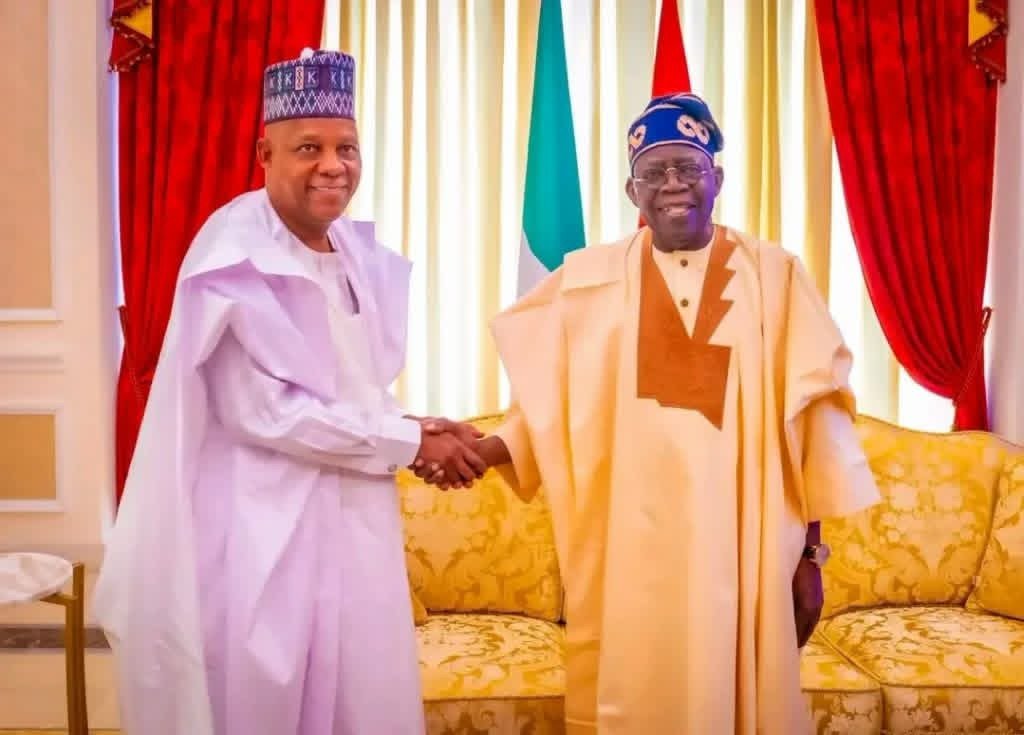
Vice President Kashim Shettima has visited President Bola Ahmed Tinubu in Lagos following his return from New York, where he represented the President and led Nigeria’s delegation to the 81st Session of the United Nations General Assembly.
The meeting brings together the President and his deputy after Shettima spent several days at the global diplomatic gathering, where he delivered Nigeria’s national statement and participated in high-level discussions on Africa’s representation in global institutions, development financing, climate support, economic cooperation and other issues affecting Nigeria’s international interests.
The visit also comes as President Tinubu resumes a series of engagements in Lagos after returning to Nigeria at the end of his extended working vacation in Europe.
Shettima Returns After UNGA Assignment
Shettima’s visit to Tinubu follows his return to Nigeria after representing the President at the 81st United Nations General Assembly in New York.
President Tinubu had mandated the Vice President to lead Nigeria’s delegation to the annual high-level gathering after deciding not to attend the General Assembly in person.
The Federal Government said the arrangement ensured that Nigeria remained fully represented at the international forum. Shettima departed Abuja on September 20 and travelled to New York with a high-level Nigerian delegation comprising senior government officials and state governors.
At the General Debate, Shettima delivered President Tinubu’s national statement, using the occasion to restate Nigeria’s position on reforms to the international system.
Among the issues Nigeria advanced was the longstanding call for permanent African representation on the United Nations Security Council.
The Nigerian position reflects the government’s argument that Africa’s growing population, economic importance and contribution to international affairs should be better reflected in the institutions responsible for global decision-making.
Shettima also used his UNGA engagements to advance Nigeria’s position on fairer access to global financing, increased climate support for developing countries and stronger multilateral cooperation.
Nigeria’s Agenda at the United Nations
Shettima’s assignment at the United Nations was broader than delivering Nigeria’s national statement.
During his stay in New York, the Vice President participated in discussions focused on development, economic cooperation, education financing, Africa’s mineral resources and regional integration.
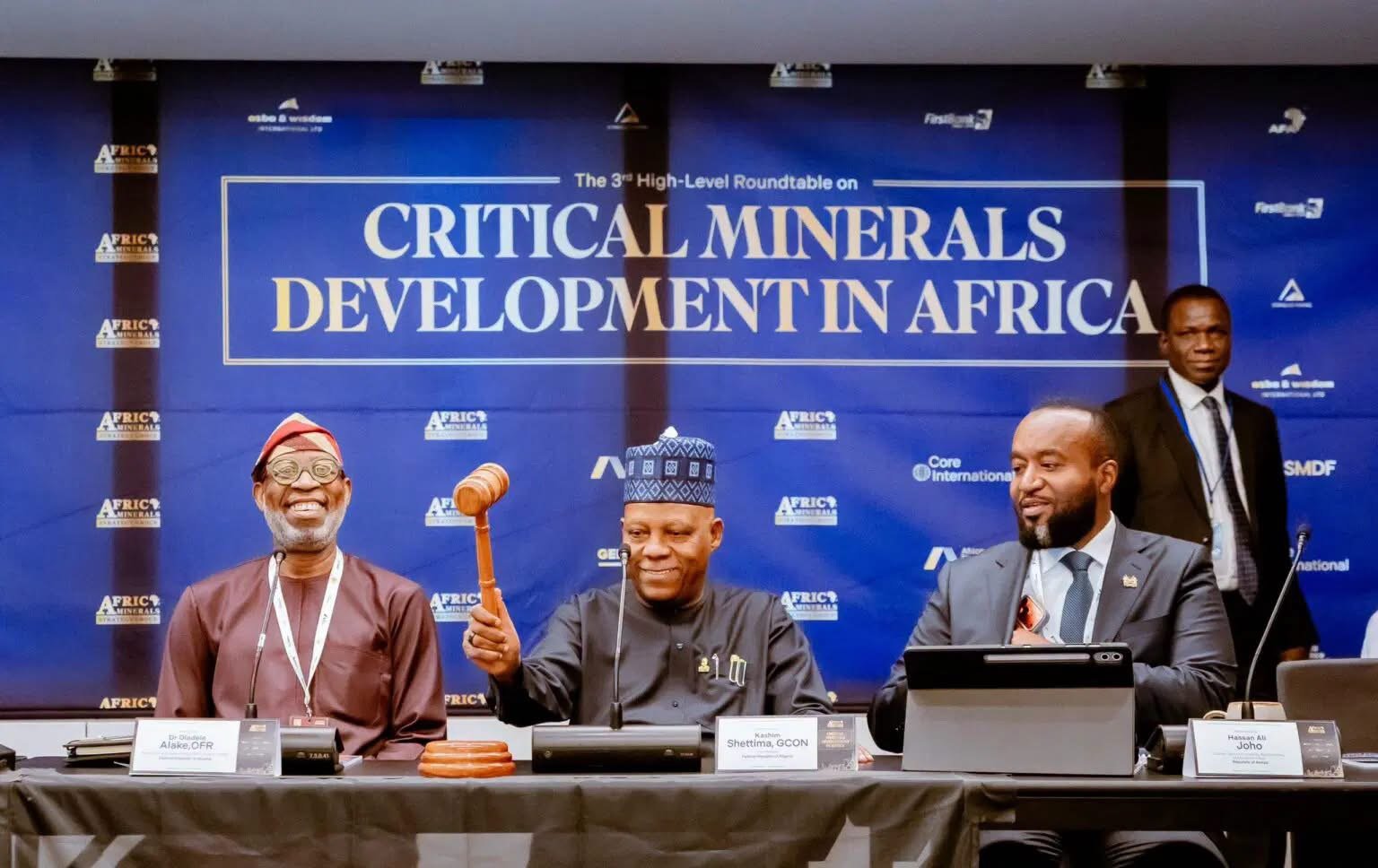
He also participated in a high-level roundtable of the Africa Minerals Strategy Group, where Nigeria supported efforts to move African economies beyond the export of unprocessed minerals.
The issue is significant for Nigeria and other African countries because much of the continent’s mineral wealth continues to leave Africa in raw or minimally processed form, limiting the economic value captured locally.
The Nigerian government has increasingly argued that mineral-producing countries should develop processing and manufacturing capacity at home so that natural resources can generate more jobs, investment, industrial capacity and government revenue.
Shettima also participated in a high-level event on education financing co-hosted by Nigeria and Italy, where he reaffirmed the government’s position that investment in education is central to human capital development and long-term economic growth.
The Vice President further held engagements with Nigerians living in the diaspora and met representatives of the Economic Community of West African States Commission.
He also met United Nations Deputy Secretary-General Amina Mohammed.
These engagements formed part of Nigeria’s wider diplomatic effort to strengthen relationships with international institutions, development partners and other countries.
Tinubu Returns to Lagos
Shettima’s meeting with Tinubu comes days after the President returned to Nigeria following an extended stay in Europe.
Tinubu departed Nigeria on August 30 for what the Presidency initially described as a working vacation. He spent time in London before travelling to Paris, where he held meetings with French President Emmanuel Macron and business figures.
The Presidency later announced that the President would extend his stay by several days.
Tinubu eventually returned to Nigeria from Paris on September 29, arriving in Lagos.
His absence from Nigeria coincided with Shettima’s trip to New York for the United Nations General Assembly, making the Vice President’s return particularly significant as both leaders resumed their domestic schedules.
The President’s extended stay abroad generated political debate, particularly because he did not personally attend the UN General Assembly.
The Presidency, however, maintained that Tinubu had lawfully delegated Shettima to represent him and lead Nigeria’s delegation at the international gathering.
The government also rejected suggestions that Nigeria was inadequately represented at the UN because the President did not personally attend.
Meeting Comes After High-Level International Engagements
The Lagos meeting gives Shettima an opportunity to reconnect with Tinubu after his international assignment and comes at a time when the administration is dealing with several major domestic issues.
Although details of the private meeting have not been publicly disclosed, the timing is notable.
Shettima returned from the UNGA with a broad set of diplomatic and economic issues that formed part of Nigeria’s engagement with the international community.
Among those issues were reforms to global institutions, development financing, climate action, regional integration, education and economic cooperation.
The President, meanwhile, has resumed engagements in Lagos following his return from Europe.
Since arriving in Lagos, Tinubu has attended events and received senior political, business and government figures.
The President also participated in activities connected to Nigeria’s 66th Independence Anniversary, including the national premiere of a documentary on the late businessman and democracy campaigner Moshood Kashimawo Olawale Abiola.
The renewed contact between the President and Vice President therefore comes against the backdrop of a busy period for the administration, both domestically and internationally.
Economic Reforms Also Feature in Shettima’s Lagos Engagements
Shettima’s return to Nigeria has also been accompanied by economic and private-sector engagements.
In Lagos, the Vice President recently inaugurated the corporate headquarters of Northwest Petroleum and Gas Company Limited in Victoria Island.
At the event, Shettima defended the economic reforms introduced by the Tinubu administration, particularly the removal of petroleum product subsidies and reforms to the foreign exchange market.
He argued that the reforms were helping address distortions that had discouraged productive investment and were contributing to greater confidence among investors.
According to reports from the event, Shettima said greater exchange-rate predictability could support procurement, investment decisions and production across the economy.
The Vice President also stressed the role of private businesses in creating employment, developing skills and supporting economic growth.
The Lagos engagement illustrates how the Vice President’s schedule has moved quickly from international diplomacy to domestic economic issues following his return from New York.
Why the Lagos Meeting Matters
The meeting between Tinubu and Shettima is significant primarily because it follows an important period of separate official engagements for Nigeria’s two highest-ranking elected officials.
While Tinubu was completing his European working vacation, Shettima was carrying the administration’s diplomatic mandate at the United Nations.
Their respective activities meant that the administration’s international and domestic responsibilities were being handled across different locations.
Shettima’s return allows the Vice President to brief the President on the outcome of his meetings and engagements, although the government has not publicly released details of any specific briefing arising from the Lagos visit.
The meeting also comes during a period in which the Tinubu administration is seeking to demonstrate the effects of its economic reform programme while facing continued public debate over the cost of living, security, investment and governance.
At the international level, Nigeria continues to push for a stronger African voice in global institutions.
The call for permanent African representation on the UN Security Council is particularly important because Nigeria considers itself one of the continent’s major diplomatic and economic powers.
For the administration, advancing that position requires sustained engagement with other African countries, permanent members of the Security Council and the wider international community.
Political Context
The meeting also takes place as Nigeria moves closer to the 2027 general election.
The All Progressives Congress has retained Tinubu and Shettima as its presidential ticket for the next election, placing both officials at the centre of the ruling party’s political preparations.
However, the Lagos meeting should not automatically be interpreted as a political strategy session in the absence of an official statement on its agenda.
The immediate confirmed context is that Shettima has returned from representing Nigeria at the UN General Assembly, while Tinubu has resumed his domestic schedule following his return from Europe.
As the political environment becomes increasingly active ahead of 2027, meetings between senior government officials are likely to attract public attention. Responsible reporting requires separating confirmed government business from political speculation.
What Happens Next
The President and Vice President are expected to continue their respective official duties as the Federal Government focuses on economic reforms, security, investment, infrastructure and international diplomacy.
For Shettima, the conclusion of the UNGA assignment means returning to domestic policy coordination and engagements with government institutions, businesses and other stakeholders.
For Tinubu, his return to Nigeria marks the continuation of his presidential schedule after the European working vacation.
The administration will also face the task of translating the international commitments discussed at the United Nations into concrete domestic policies.
Nigeria’s advocacy for a stronger African voice in global governance, improved development financing, climate support and economic cooperation will require continued diplomatic engagement beyond the UNGA meetings.
At home, the government will continue to face scrutiny over whether its economic reforms are delivering measurable improvements in the lives of Nigerians.
Conclusion
Vice President Kashim Shettima’s visit to President Bola Tinubu in Lagos comes at the end of a significant period of international and domestic activity for the Federal Government.
Shettima had represented Tinubu at the 81st United Nations General Assembly, where he presented Nigeria’s national position and participated in discussions covering global governance, development financing, climate action, education, mineral resources and regional cooperation.
His return to Nigeria now places both the President and Vice President back in the country at a time when the administration is balancing international diplomacy with pressing domestic economic and political responsibilities.
The precise details of the Lagos meeting have not been publicly disclosed. What is clear is that it marks renewed direct engagement between Nigeria’s two highest-ranking elected officials after Shettima’s international assignment and Tinubu’s return from Europe.
For Nigerians, the significance will ultimately depend not only on the meetings held by the country’s leaders but on how the decisions and commitments arising from those engagements translate into improved governance, stronger economic opportunities and a more influential Nigerian voice at home and abroad.
Weng Global – stories beyond borders
Sources: Federal Ministry of Information and National Orientation; State House, Abuja; Voice of Nigeria; Channels Television; Premium Times; The Guardian Nigeria.