Reported by Weng Patrick Atokor l Journalist at Weng Global
Victims of the January 2024 Bodija explosion in Ibadan, Oyo State, have urged the Federal Government to release the outstanding N20 billion intervention fund to enable affected residents to receive additional compensation, following Governor Seyi Makinde’s disclosure that his administration has spent the N30 billion already released.
The victims, represented by the Bodija Residents Association (BERA), are also calling for a review of the compensation process, arguing that the N4.085 billion distributed by the Oyo State Government did not adequately reflect the losses suffered by residents, property owners and other affected individuals.
The association said several victims were either excluded from the payment exercise or received amounts substantially lower than the value of their assessed losses.
Its chairman, Muyiwa Bamgbose, made the appeal during an interview with The PUNCH on Tuesday, November 17, 2026, urging the Federal Government to release the remaining portion of the N50 billion intervention package reportedly approved following the disaster.
Victims Say Compensation Fell Below Assessed Losses
According to Bamgbose, the association engaged professionals to assess the cost of repairing damaged buildings, restoring affected properties and replacing vehicles destroyed in the explosion.
He said the assessment put the total value of the losses at more than N10 billion. However, the amount eventually distributed by the state government was N4.085 billion, representing approximately 40 per cent of the association’s estimated figure.
Bamgbose argued that the reduction left many residents struggling to rebuild their homes and recover from the financial consequences of the incident.
He explained that the government had cited financial limitations when determining the amounts to be paid, while some claims were excluded because the affected properties were considered outside the designated impact area.
The association is therefore seeking a fresh review of the assessment records and a reconsideration of claims that were reduced or rejected.
It also wants the government to consider residents who have already spent personal savings on rebuilding their properties but have not received sufficient financial assistance.
BERA Appeals for Release of N20bn
The association’s appeal follows Makinde’s recent confirmation that his administration has spent the N30 billion received from the Federal Government as intervention support.
Bamgbose said the outstanding N20 billion should be released to enable the government to address the concerns of victims who believe the previous compensation exercise did not adequately cover their losses.
He also proposed that the Federal Government independently examine the association’s records and make payments directly to verified beneficiaries.
The association stressed that it was not seeking to receive the money through its own account, but wanted a transparent process that would ensure assistance reached the individuals whose properties and livelihoods were affected.
According to Bamgbose, direct payment would help address concerns about exclusions, disputed assessments and differences in the amounts received by affected residents.
Makinde Says N30bn Has Been Spent
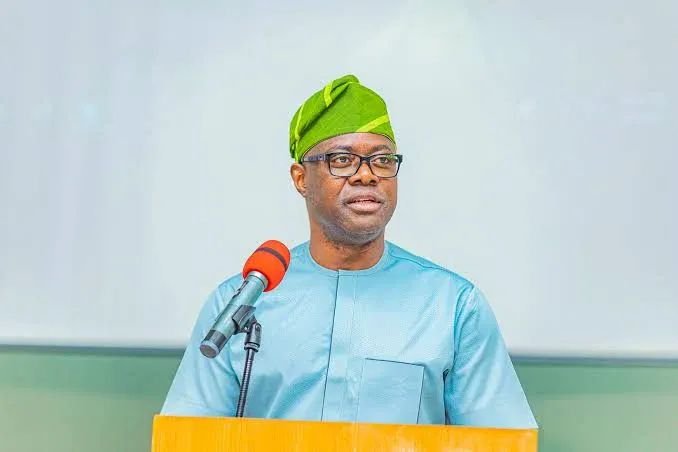
The latest demand comes after Governor Seyi Makinde disclosed during an interview on Arise Television on Friday, November 13, 2026, that his administration had spent the N30 billion released by the Federal Government.
The governor said the state engaged the Nigerian Society of Engineers and professional property valuers to assess buildings affected by the explosion before determining payments to property owners.
He explained that the money was initially kept in a bank account while his administration considered how the Federal Government’s intervention might become a subject of political controversy.
Makinde subsequently said he instructed the Commissioner for Finance to deploy the funds to projects after the assessment and payment process had been completed.
His latest remarks have renewed questions about the management of the intervention package, particularly among residents who maintain that the compensation they received was insufficient.
The disclosure also marks a significant development in the controversy surrounding the N50 billion intervention package, as the Oyo State Government had previously maintained that the N30 billion received from the Federal Government remained untouched in a dedicated account.
How the N50bn Intervention Fund Became Controversial
The controversy centres on the Federal Government’s reported approval of N50 billion in intervention support following the January 16, 2024, explosion in Bodija, Ibadan.
According to earlier statements by the Oyo State Government, only N30 billion of the proposed N50 billion package was released, leaving an outstanding N20 billion.
The state government had previously said it was awaiting the balance before deciding how to utilise the money.
In January 2026, the government also disclosed that it had spent N24.6 billion from its own resources on interventions following the explosion.
The expenditure included N20.141 billion for infrastructure reconstruction and N4.085 billion in financial support and compensation to affected residents.
The government maintained at the time that the N30 billion received from the Federal Government was separate from the expenditure financed through state resources.
The issue attracted further political attention after former Ekiti State Governor Ayodele Fayose questioned the management of the intervention funds and raised concerns about the amount allegedly received and distributed.
Makinde’s latest disclosure that the N30 billion has been spent has consequently brought the issue back into public debate.
Victims Describe Continuing Financial Difficulties
Beyond the dispute over the intervention fund, affected residents say the consequences of the explosion remain a major concern.
One victim, Mohammed Danesi, told The PUNCH that he received approximately N1.4 million despite losing virtually everything in the incident.
He also said he and his two children were hospitalised at a private medical facility after the explosion.
According to Danesi, the family submitted medical bills to the Oyo State Ministry of Health after being instructed to do so for possible reimbursement, but he said they had yet to receive the expected payment.
Another affected resident, Dr Akinyele Coker, said the amount he received represented approximately 40 per cent of the losses assessed by the residents’ association.
Coker, aged 88, said he was able to rebuild his property partly because he had personal savings, but expressed concern about residents without similar financial resources.
He also indicated that only two residents on his street had managed to rebuild their homes, with both relying on personal funds to supplement the government assistance.
Another victim, Toyin Olujumi, said the payment she received was approximately N15 million below the amount recorded in the association’s assessment.
She also raised concerns about the distribution process, alleging that some people whose houses were not affected received substantial payments while certain tenants who suffered significant losses received relatively small amounts.
Although she acknowledged the state government’s assistance, she maintained that affected residents needed adequate support to recover from the disaster.
Rebuilding Homes Remains a Major Concern
Bamgbose acknowledged that infrastructure rehabilitation projects in the affected neighbourhood were important but argued that restoring the living conditions of residents should remain a priority.
He said rebuilding roads and other public infrastructure would not fully address the challenges facing families whose homes had been damaged or rendered uninhabitable.
The association wants the authorities to prioritise the restoration of affected homes and ensure that residents can return to safe and habitable accommodation.
Its position reflects a broader concern about the difference between rebuilding public infrastructure and providing direct assistance to individuals who lost property, household possessions and other assets.
For affected families, recovery involves more than improvements to roads and public facilities. It also requires sufficient financial support to repair homes, replace destroyed belongings and address outstanding medical expenses.
Why the Dispute Matters
The controversy raises important questions about the administration of disaster intervention funds, the transparency of compensation processes and the responsibility of governments to support citizens affected by major emergencies.
The N50 billion package was intended to support recovery and reconstruction following the Bodija explosion. However, disagreements over the amount released, how the money was spent and whether victims received adequate assistance have complicated public confidence in the intervention process.
The demand for the outstanding N20 billion also highlights the importance of clear communication between federal and state authorities regarding emergency funding.
For residents, the central concern is not simply whether money has been approved or released, but whether assistance reaches those who suffered the greatest losses.
A transparent review of the compensation records, independent verification of claims and direct engagement with affected residents could help address some of the concerns raised by the association.
The situation also underscores the need for clear documentation of public intervention spending, particularly where funds are intended to provide relief to people affected by disasters.
What Happens Next?
The Bodija Residents Association is seeking the release of the outstanding N20 billion and a review of the compensation process.
It has proposed that the Federal Government examine its assessment records and pay verified beneficiaries directly rather than transferring additional funds through the association.
However, the outstanding release and the proposed review remain demands by the affected residents. No confirmation of a new payment arrangement or a fresh compensation exercise was contained in the latest reported appeal.
The Oyo State Government’s position on the latest demands will be important in determining whether further discussions or a reassessment of the compensation process will take place.
For now, affected residents are calling for greater accountability and additional support as they continue efforts to rebuild their homes and recover from the January 2024 disaster.
The dispute leaves two major questions before the relevant authorities: whether the outstanding intervention funds will be released and whether residents who consider their previous compensation inadequate will receive another opportunity for assessment.
Weng Global – Stories beyond borders
Sources
- The Punch – November 18, 2026: Report on Bodija explosion victims’ demand for the outstanding N20 billion.
- Arise Television – November 13, 2026: Interview with Oyo State Governor Seyi Makinde concerning the N30 billion intervention fund.
- The Punch – January 1–2, 2026: Reports on the Oyo State Government’s earlier explanation of the Federal Government intervention funds.
- The Guardian Nigeria – January 1–2, 2026: Reports on the N30 billion released and the outstanding N20 billion.
- The Oyo State Government – January 1, 2026: Statement explaining its account of the intervention fund and expenditure on Bodija-related interventions.