Reported by Simon Daniel Yusuph l Journalist at Weng Global
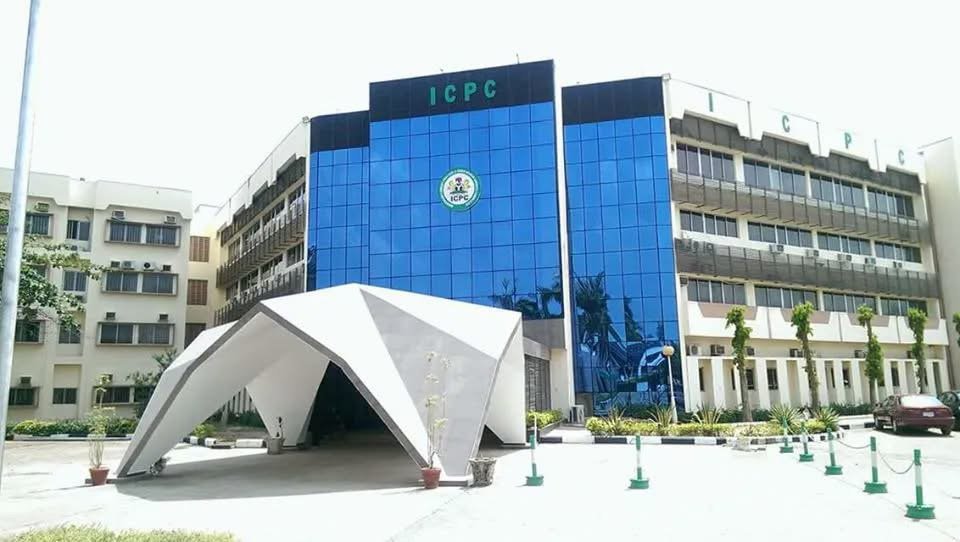
The Media Anti-Corruption Initiative (MACI) and the Independent Corrupt Practices and Other Related Offences Commission (ICPC) have strengthened their partnership to promote transparency, accountability and ethical conduct, with particular attention to corruption risks within Nigeria’s maritime sector.
The partnership was reinforced during a recent meeting between a seven-member MACI delegation led by its National President, Funso Olojo, and the Resident Anti-Corruption Commissioner of the ICPC Lagos Zonal Office, Chukwurah Alexander, in Lagos.
The engagement focused on developing a more structured relationship between the media and the anti-corruption agency, with the participants discussing how journalism can contribute more effectively to corruption prevention, public awareness and citizen participation.
Rather than limiting the media’s role to reporting corruption after it has occurred, the initiative seeks to strengthen preventive reporting and public education while ensuring that information published by journalists can contribute to legitimate anti-corruption efforts.
Media Role in Preventing Corruption
Alexander described the media as an important partner in the ICPC’s public enlightenment and corruption-prevention responsibilities under Section 6 of the ICPC Act, 2000.
He also commended MACI for its efforts to discourage public participation in corrupt practices and expressed support for closer cooperation between journalists and the Commission.
The ICPC has previously described credible journalism as an important component of Nigeria’s anti-corruption architecture, particularly because the media can expose wrongdoing, inform citizens and promote accountability in public institutions.
The renewed partnership therefore places journalism within a broader prevention framework in which accurate information, public education and citizen engagement are considered important tools in reducing corruption risks.
For MACI, the objective is to use the reach of the media to encourage greater public participation in promoting integrity and accountability.
Olojo said citizens must play an active role in building the kind of society they want, reaffirming MACI’s commitment to responsible and ethical journalism in support of anti-corruption efforts.
Focus on Maritime Corruption
The partnership comes against the background of longstanding concerns about corruption and inefficiencies within Nigeria’s maritime and port sectors.
Nigeria’s ports are strategically important to the economy because they facilitate international trade, generate government revenue and provide an entry point for goods entering the country.
Corruption within the sector can therefore have consequences beyond individual transactions. Delays, unofficial payments, weak enforcement and opaque procedures can increase the cost of doing business and affect the competitiveness of Nigerian ports.
The ICPC has previously worked with other institutions to address corruption risks in the port sector.
In one earlier initiative, the Commission worked with the Nigerian Shippers’ Council and other stakeholders on the Nigerian Port Process Manual, designed to provide simplified procedures for port users and reduce opportunities for corruption by making operational processes clearer.
The ICPC has also previously said that corruption in the maritime sector could affect Nigeria’s ability to attract business and generate revenue.
The latest media partnership adds another dimension to those institutional efforts by focusing on journalism, public communication and citizen awareness.
From Reactive Reporting to Prevention
One of the central issues discussed by MACI and the ICPC was the need to move the anti-corruption conversation from a predominantly reactive approach towards prevention.
Traditional investigative reporting can expose suspected wrongdoing after it has occurred. However, prevention-focused journalism can also examine weaknesses in systems, identify corruption risks and explain how citizens and institutions can respond before misconduct becomes entrenched.
The two organisations discussed aligning media initiatives with the prevention-focused aspects of the ICPC’s mandate and applying international best practices in anti-corruption communication.
Such an approach could involve reporting on procurement processes, regulatory compliance, port procedures, public revenue, institutional accountability and the effectiveness of safeguards designed to prevent corrupt practices.
The emphasis, however, is expected to remain on evidence-based reporting rather than accusations unsupported by verifiable information.
Training for Journalists
Another area identified for collaboration is capacity building for journalists.
According to the reported outcome of the engagement, MACI and the ICPC discussed training journalists to improve their ability to report anti-corruption issues accurately and responsibly.
Training could be particularly relevant in specialised areas such as maritime regulation, procurement, customs procedures, shipping documentation, public finance and regulatory enforcement.
These subjects can be difficult for general audiences to understand because they involve technical procedures and multiple government and private-sector actors.
Better-trained journalists can help translate such processes into accessible reporting while maintaining the accuracy required for investigative and accountability journalism.
The importance of professional standards is especially significant when reports involve allegations of corruption. Journalists must distinguish between verified evidence, allegations, official claims and information that remains unconfirmed.
Information and Actionable Intelligence
The participants also discussed the distinction between general information and actionable intelligence in investigative reporting.
That distinction is important because not every piece of information received by a journalist amounts to evidence of criminal conduct.
Responsible reporting requires journalists to verify information before publication, establish the credibility of sources and give affected parties an opportunity to respond where allegations are involved.
At the same time, credible information that may assist legitimate investigations can be important to anti-corruption agencies.
The proposed collaboration therefore points towards a framework in which journalists can report independently while institutions responsible for investigation and enforcement receive relevant information through appropriate channels.
The arrangement does not remove the need for editorial independence. Instead, it highlights the importance of clear boundaries between journalism, public advocacy and law-enforcement responsibilities.
Data Sharing and Fact-Based Journalism
MACI and the ICPC also discussed developing a framework for data sharing to support fact-based journalism.
Access to reliable data can improve the quality of reporting on corruption and governance because journalists can use official records and documented information to test claims and identify patterns.
For the public, better access to credible information can also make it easier to understand how government agencies operate and how public resources are managed.
Data-driven reporting can be particularly useful in sectors where corruption risks are difficult to identify through individual incidents alone.
Patterns involving procurement, licensing, regulatory approvals, public contracts or port procedures may become clearer when journalists can examine multiple records rather than relying solely on individual allegations.
The success of such a framework would depend on appropriate safeguards, including accuracy, responsible use of information and respect for legitimate confidentiality and legal requirements.
Public Sensitisation and Citizen Participation
The proposed partnership also includes joint sensitisation activities aimed at communities and members of the public.
This reflects the view expressed by MACI that citizens have an important role in the fight against corruption.
Public awareness campaigns can help citizens understand how to identify corrupt practices, where to report suspected misconduct and what rights they have when dealing with public institutions.
For an anti-corruption campaign to be effective, however, awareness must be accompanied by accessible reporting mechanisms and credible institutional responses.
Citizens who report suspected wrongdoing need confidence that complaints will be appropriately assessed and that legitimate reports will not simply disappear without action.
The ICPC’s public education and prevention mandate is therefore relevant to the proposed collaboration, as the Commission has previously emphasised the importance of public enlightenment alongside enforcement.
Nigeria’s Wider Maritime Anti-Corruption Efforts
The latest partnership is not Nigeria’s first attempt to address corruption risks in the maritime sector.
The country has previously pursued multi-stakeholder initiatives involving government agencies, business groups and civil society organisations.
The Maritime Anti-Corruption Network has documented cooperation involving the ICPC, Nigerian Shippers’ Council, Nigerian Ports Authority and other stakeholders. Its work in Nigeria has included initiatives involving port procedures, integrity standards and anti-corruption mechanisms.
The World Customs Organization has also reported on Nigeria’s efforts to address corruption in maritime trade, including measures involving port processes and collective action among government and private-sector stakeholders.
These efforts demonstrate that maritime corruption is not solely a law-enforcement issue. It also involves institutional procedures, business practices, regulatory systems, transparency and public oversight.
The media can contribute to that wider framework by explaining how the maritime system works and scrutinising whether established rules are being followed.
Why the Partnership Matters
The significance of the MACI-ICPC partnership extends beyond the organisations directly involved.
Nigeria’s maritime sector is central to international trade, and inefficiencies or corrupt practices within the sector can increase costs for businesses and ultimately affect consumers.
Transparent procedures can make it easier for legitimate businesses to operate, while effective oversight can reduce opportunities for individuals to exploit administrative weaknesses.
Journalism can support these objectives by bringing public attention to documented problems and explaining their consequences.
However, the effectiveness of media-driven anti-corruption work depends heavily on credibility.
Reports based on unverified allegations can undermine public confidence and potentially damage the reputations of individuals or organisations without establishing wrongdoing.
For that reason, the emphasis on ethical journalism and fact-based reporting in the MACI-ICPC discussions is significant.
Maintaining Editorial Independence
Closer cooperation between journalists and an anti-corruption agency also requires clear professional boundaries.
The role of the media is to gather, verify and report information in the public interest. The role of an investigative agency is to investigate suspected offences, gather evidence and pursue enforcement actions within the law.
Cooperation between the two can improve public understanding and help legitimate investigations, but it should not turn journalists into extensions of law-enforcement agencies.
Maintaining editorial independence remains essential for credible journalism.
That means journalists must retain the ability to scrutinise government agencies, including the ICPC itself, when evidence raises legitimate questions about their performance.
The credibility of an anti-corruption campaign ultimately depends not only on exposing wrongdoing but also on ensuring that accountability applies consistently across institutions.
What Happens Next?
The next stage of the MACI-ICPC partnership is expected to involve the development of a structured collaboration framework.
The areas discussed include journalist training, anti-corruption advocacy, public reorientation, information and data sharing, responsible investigative reporting and community-targeted sensitisation campaigns.
The practical impact of the initiative will depend on how these proposals are implemented.
For journalists, training and access to reliable information could improve reporting on complex corruption and governance issues.
For the ICPC, stronger engagement with the media could expand public awareness of its prevention mandate and help communicate anti-corruption initiatives to wider audiences.
For citizens, the intended benefit is greater access to reliable information about corruption risks and the mechanisms available for reporting them.
The partnership therefore represents an attempt to connect institutional anti-corruption work with journalism and public participation.
Its longer-term value will depend on whether the collaboration produces measurable improvements in public awareness, reporting quality, institutional transparency and the prevention of corruption within Nigeria’s maritime sector.
Weng Global – stories beyond borders
Sources
Independent Corrupt Practices and Other Related Offences Commission (ICPC)
Punch Newspapers
Maritime Bits
Nigerian Shippers’ Council
Maritime Anti-Corruption Network (MACN)
World Customs Organization