Reported by Simon Daniel Yusuph l Journalist at Weng Global
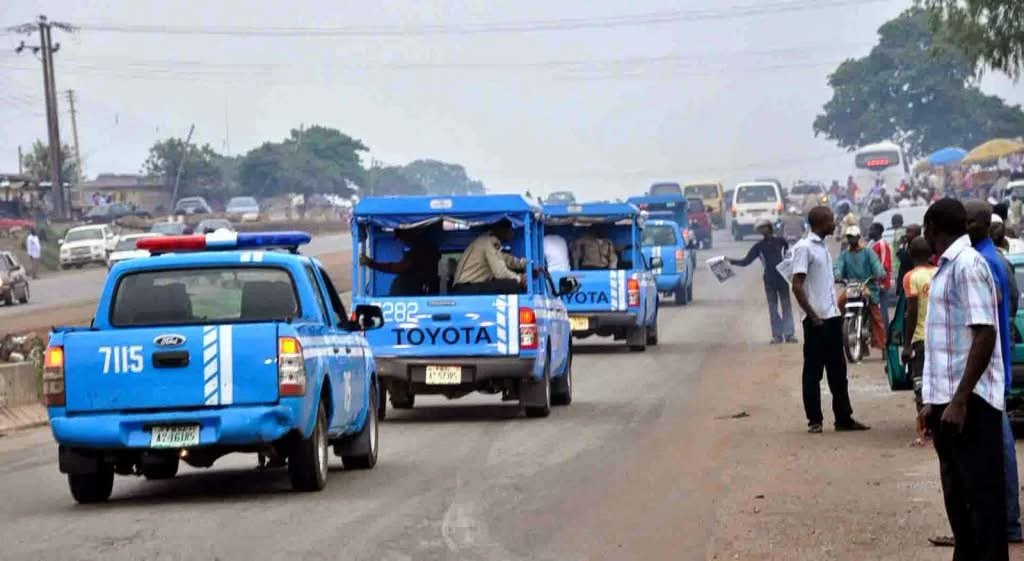
The Federal Road Safety Corps (FRSC) has warned politicians, political parties and their supporters against reckless driving, excessive speed and overloading during campaign activities, amid increased political movements ahead of Nigeria’s 2027 general elections.
The road safety agency urged political actors and motorists involved in campaign movements to comply with traffic regulations and avoid behaviour that could endanger other road users.
The warning comes as political parties intensify rallies, mobilisation exercises and other campaign activities across the country, increasing the number of vehicles and supporters travelling between communities.
FRSC Raises Concern Over Campaign-Related Road Risks
The FRSC’s warning focuses on driving practices that can increase the likelihood of road crashes during political gatherings and campaign convoys.
These include excessive speed, dangerous driving and carrying passengers beyond a vehicle’s approved capacity.
Campaign rallies can involve large convoys moving together, motorcycles and vehicles carrying supporters, as well as temporary traffic disruptions around venues.
The FRSC has therefore urged politicians and their supporters to ensure that political activities do not become a reason for motorists to disregard road safety rules.
The Nation reported the latest warning on Friday, September 25, 2026, saying the FRSC specifically appealed to politicians and party supporters to avoid reckless driving, excessive speed and dangerous practices during campaigns.
Political Campaigns and Road Safety
Nigeria’s campaign season typically brings increased movement of people and vehicles as political parties travel to different communities to mobilise supporters.
Large rallies can place additional pressure on roads, particularly where convoys occupy several lanes, vehicles stop unexpectedly or supporters move onto major highways.
The FRSC has previously raised similar concerns during political campaigns.
In February 2026, the FRSC’s FCT Sector Command warned against reckless road use during political rallies after observing dangerous driving practices among some motorists and motorcyclists involved in campaign activities across the Federal Capital Territory.
The command also raised concerns about unauthorised roadblocks and one-way driving associated with some campaign activities, which contributed to traffic problems in parts of the FCT.
The agency called on political leaders to ensure responsible driving and discourage motorists from driving after consuming alcohol.
Why Speeding and Overloading Are Dangerous
Speeding reduces the amount of time a driver has to react to sudden hazards and can increase the severity of a crash when one occurs.
Overloading can also affect a vehicle’s handling, braking performance and stability, particularly when vehicles are carrying passengers beyond their approved capacity.
During political campaigns, the pressure to transport large numbers of supporters can create an incentive for some drivers to carry more passengers than permitted.
The FRSC’s warning is therefore aimed at ensuring that political mobilisation does not override basic road safety requirements.
The agency has repeatedly advised motorists to respect prescribed speed limits and avoid dangerous driving.
On September 18, 2026, an FRSC official in Ogbomoso similarly warned motorists, particularly commercial drivers, against overspeeding and urged passengers to speak up when they observe dangerous driving.
Campaign Convoys Can Affect Other Road Users
Political convoys can also affect ordinary motorists and pedestrians who are not participating in campaign activities.
When convoys move through busy roads, traffic can slow down or become temporarily congested. Sudden stops, unsafe overtaking and attempts by vehicles to remain close to a convoy can create additional risks.
In some cases, supporters may ride on vehicle roofs, stand in open sections of vehicles or travel in vehicles not designed to carry large numbers of passengers.
Such practices can expose passengers to serious danger, particularly on high-speed roads.
The FRSC’s latest intervention places responsibility on political leaders, drivers and supporters to ensure that campaign activities are conducted without compromising road safety.
2027 Elections Increase the Importance of Compliance
The warning comes as Nigeria moves deeper into preparations for the 2027 general elections.
Presidential and National Assembly campaign activities began on August 19, 2026, while campaigns for governorship and State House of Assembly elections commenced in September, according to the election timetable and reporting on the campaign calendar.
The increased political activity means campaign-related travel is expected to continue across different parts of the country.
Political parties are likely to organise rallies, town-hall meetings, grassroots mobilisation and other public engagements before voting takes place.
With these activities comes the need for political organisations to plan transportation and crowd movement in ways that reduce risks to participants and other road users.
Road Safety Requires Shared Responsibility
The FRSC has consistently maintained that road safety cannot be achieved through enforcement alone.
Drivers have a responsibility to obey traffic regulations, while passengers and political organisers can also help discourage dangerous practices.
Political parties can contribute by ensuring that campaign vehicles are properly maintained, drivers are qualified and vehicles do not carry passengers beyond approved limits.
Supporters also have a role in refusing to participate in dangerous transportation practices, including travelling on vehicle roofs, hanging from moving vehicles or encouraging drivers to speed.
The FRSC’s existing road-safety systems include enforcement and public education aimed at improving compliance with traffic rules. Its official Speed Limiting Device platform also provides information and contact channels for road-safety matters.
Political Leaders Urged to Set the Example
The FRSC’s warning places particular importance on the conduct of political leaders and organisers.
Campaign convoys are often associated with senior political figures, meaning the behaviour of drivers attached to those movements can influence supporters and other motorists.
Political leaders can help reduce risks by instructing their drivers and supporters to obey speed limits, avoid dangerous manoeuvres and comply with traffic regulations.
The February warning from the FCT Sector Command similarly called on political leaders to discourage unsafe driving during campaign activities.
What Happens Next
As political campaigns continue, the FRSC is expected to maintain road-safety monitoring and enforcement on major routes used by campaign convoys and supporters.
Political parties and campaign organisers will also need to coordinate their movements with relevant authorities where rallies are likely to affect traffic.
For motorists, the message from the road safety agency is straightforward: political mobilisation should not come at the expense of road users’ lives.
The FRSC’s latest warning underscores the need for campaign organisers, politicians, supporters and drivers to treat road safety as part of responsible political activity as Nigeria approaches the 2027 elections.
Weng Global – stories beyond borders
Sources
- Federal Road Safety Corps (FRSC)
- The Nation
- Radio Nigeria
- Radio Nigeria Abuja