Reported by Simon Daniel Yusuph l Journalist at Weng Global
The Ebola outbreak caused by the Bundibugyo virus in the Democratic Republic of the Congo (DRC) has expanded to 63 health zones across seven provinces, with 7,890 confirmed cases and 3,799 deaths recorded as of the latest update.
The World Health Organization (WHO) said the latest geographic expansion followed the detection of infections in two additional health zones, including an area close to the South Sudan border.
The figures, contained in the latest situation update dated September 23, 2026, put the outbreak’s crude case fatality ratio at 48.1 per cent, underscoring the continuing severity of the epidemic and the challenges facing health authorities and response teams.
Two More Health Zones Affected
According to WHO, the two newly affected areas are Bulu Health Zone in Sud-Ubangi Province and Dungu Health Zone in Haut-Uélé Province.
Dungu’s location near South Sudan has heightened concern over the possibility of cross-border transmission, particularly as population movement continues between affected communities and neighbouring countries.
The outbreak now affects seven provinces: Bas-Uélé, Haut-Uélé, Ituri, North Kivu, South Kivu, Sud-Ubangi and Tshopo.
The expansion represents another increase in the geographic reach of the outbreak after WHO reported 62 affected health zones across seven provinces as of September 13. At that point, the cumulative number of confirmed cases stood at 7,258, including 3,510 deaths.
The latest figures therefore show that hundreds of additional cases and deaths have been recorded within a relatively short period.
Transmission Remains Uneven Across Provinces
WHO has warned that transmission is not occurring at the same level in every affected location.
While some health zones are experiencing sustained transmission, others have recorded fewer recent infections. The uneven pattern makes surveillance and response operations more complicated because health authorities must identify and respond to active transmission across widely separated areas.
The health organisation said daily case numbers remain high nationally, while transmission varies considerably between provinces and individual health zones.
Ituri remains the principal centre of the outbreak, although transmission has also continued in areas such as North Kivu and Haut-Uélé.
Earlier WHO situation reports showed how quickly the outbreak has expanded.
On September 7, WHO reported 6,757 confirmed cases and 3,267 deaths in the DRC, with infections detected across 61 health zones in six provinces.
By September 13, the number of affected health zones had increased to 62 and the outbreak had expanded into Sud-Ubangi, the country’s seventh affected province.
The latest update now puts the number of affected health zones at 63.
High Fatality Rate Raises Concern
The 48.1 per cent crude case fatality ratio reported in the latest update highlights the seriousness of the outbreak.
WHO has linked the continued high fatality rate partly to difficulties in detecting cases early and ensuring timely access to adequate treatment.
When people are diagnosed late, opportunities to provide treatment earlier in the illness can be lost. Delayed detection can also allow infected individuals to continue transmitting the virus to household members, community contacts and healthcare workers.
WHO has previously warned that delays in recognising cases increase the likelihood of onward transmission in households, communities and healthcare facilities.
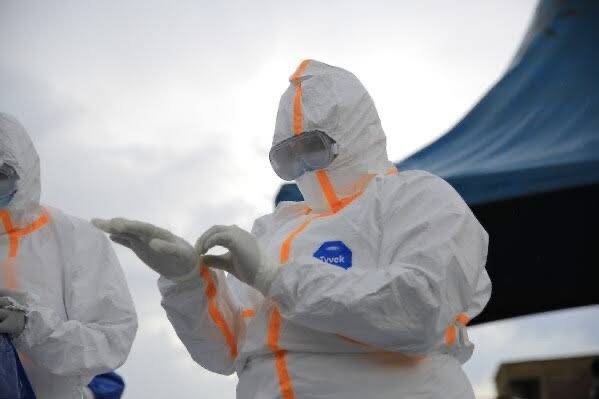
The organisation has also stressed the importance of surveillance, contact tracing, clinical care and community engagement in controlling the outbreak.
Outbreak Has Expanded Rapidly
The scale of the current outbreak has increased substantially since the first cases were identified in the DRC in 2026.
In July, WHO reported 2,124 confirmed cases and 828 deaths in the DRC, with cases detected across 46 health zones in five provinces.
By August 12, confirmed cases had risen to 4,665, while deaths reached 2,184. The outbreak had expanded to 54 health zones across six provinces.
A WHO update published on August 28 reported 5,794 confirmed cases and 2,786 deaths in the DRC, with infections recorded across 60 health zones in six provinces.
The latest figures show the continued expansion in both the number of infections and the geographical area affected.
Cross-Border Risk Increasing
The geographic expansion is particularly significant because several affected areas are located near international borders.
WHO has warned that infections in border areas increase the possibility of the virus spreading into neighbouring countries, especially where communities have frequent cross-border movement.
The DRC shares borders with several countries, including South Sudan, Uganda, Rwanda, Burundi, Tanzania, Zambia, Angola, the Republic of the Congo and the Central African Republic.
The detection of Ebola in Dungu, in Haut-Uélé Province near South Sudan, has therefore increased the importance of cross-border surveillance and preparedness.
WHO has been supporting preparedness activities in neighbouring countries alongside national authorities as part of efforts to identify and contain possible imported infections.
Uganda Has Also Been Part of the Response
The current outbreak has also involved Uganda.
WHO reported earlier in the outbreak that confirmed cases linked to the DRC had been detected in Uganda, prompting surveillance and response measures.
By late August, WHO reported that the enhanced monitoring period had been completed in Uganda and France following the management of earlier cases, although the continued transmission in the DRC maintained the risk of further cross-border spread.
The regional dimension of the outbreak means that neighbouring countries must continue monitoring travellers and strengthening preparedness at border points and health facilities.
Humanitarian Crisis Complicates Response
The Ebola outbreak is occurring against the backdrop of an already difficult humanitarian and security situation in the DRC.
WHO has previously reported that insecurity, population displacement, population movement, poor access to roads and health facilities, misinformation and pressure on health services have complicated efforts to control transmission.
The organisation said attacks affecting healthcare and insecurity in some affected areas have restricted access for response teams and disrupted surveillance and other response activities.
These conditions can make it harder to identify suspected cases quickly, trace contacts and ensure that patients reach appropriate treatment facilities.
They can also make it more difficult for health workers to maintain regular surveillance in remote communities.
Community Engagement Remains Important
WHO and the Africa Centres for Disease Control and Prevention have repeatedly emphasised the importance of community involvement in controlling the outbreak.
Health authorities need residents to report suspected cases quickly, cooperate with contact-tracing teams and seek medical care when symptoms develop.
Community trust is particularly important during Ebola outbreaks because misinformation or fear can discourage people from seeking treatment or cooperating with health officials.
WHO has said communities can help identify illness early, alert health teams, support contact tracing and help ensure safe and dignified burials.
The organisation has also stressed that response operations are more effective when communities work alongside health authorities and frontline workers.
Why the Outbreak Matters
The latest expansion is significant because the outbreak is no longer concentrated in a small number of locations.
With 63 health zones affected across seven provinces, health authorities must coordinate operations across a wide geographic area while dealing with different transmission patterns.
The nearly 8,000 confirmed cases also demonstrate the scale of the public-health challenge facing the DRC.
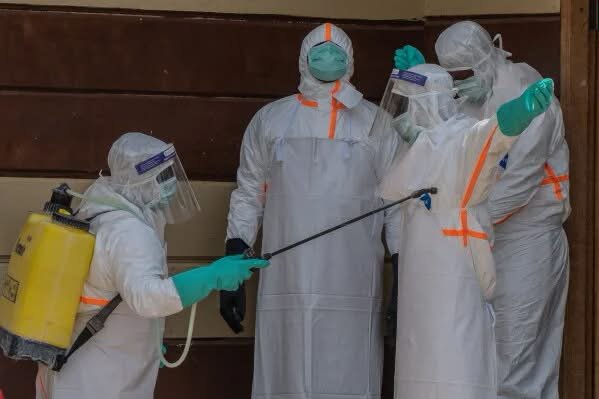
The high number of deaths is particularly concerning because Ebola can place considerable pressure on already stretched health systems. Hospitals and treatment centres must maintain infection-prevention measures while providing care to patients and protecting healthcare workers.
The situation also matters beyond the DRC because cross-border population movement can create opportunities for cases to be exported to neighbouring countries.
What Happens Next
WHO and DRC health authorities are expected to continue surveillance, laboratory testing, contact tracing, case management and community engagement across affected areas.
Particular attention is likely to remain on newly affected health zones, areas with sustained transmission and locations close to international borders.
The identification of cases in Dungu near South Sudan also increases the importance of regional preparedness and coordination.
For communities in affected provinces, early reporting of suspected illness and timely access to healthcare remain important components of the response.
The latest figures show that the Ebola outbreak is continuing to expand geographically and remains a major public-health challenge for the Democratic Republic of the Congo.
With 63 health zones now affected, 7,890 confirmed cases and 3,799 deaths, the next phase of the response will depend heavily on early detection, access to treatment, effective surveillance and cooperation between communities, national authorities and international health partners.
Weng Global – stories beyond borders
Sources
- World Health Organization (WHO)
- WHO Regional Office for Africa
- Punch Nigeria / News Agency of Nigeria (NAN)