Reported by Simon Daniel Yusuph l Journalist at Weng Global
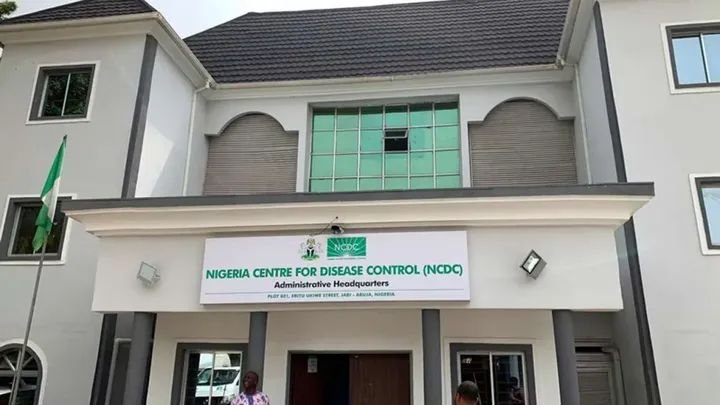
The Nigeria Centre for Disease Control and Prevention (NCDC) has placed Nigeria on high alert following the continued spread of Ebola disease caused by the Bundibugyo virus in the Democratic Republic of the Congo (DRC).
In an interim public health advisory issued on September 22, 2026, the NCDC said it was strengthening preparedness and surveillance measures because of the evolving regional outbreak and the potential risk of the virus being imported into Nigeria.
The agency stressed that the measures are precautionary and are being reviewed as the epidemiological situation develops. Nigeria has not been reported as having a confirmed case linked to the current outbreak.
The alert comes as the DRC outbreak continues to expand geographically, increasing concern among health authorities about cross-border transmission in Central and neighbouring African countries.
Travellers From Affected Countries Face Enhanced Surveillance
As part of the strengthened response, the NCDC said travellers arriving in Nigeria from countries with active or relevant Ebola Virus Disease (EVD) transmission may be required to complete a Health Declaration Form.
The measure is intended to support enhanced surveillance and follow-up of travellers who may have been exposed to the virus.
However, the NCDC clarified that passengers arriving from other countries are currently exempt from completing the form. The requirement is therefore targeted at travellers from locations considered relevant to the evolving Ebola transmission risk rather than being applied universally to all international arrivals.
The agency said the decision followed a dynamic risk assessment and consultations with public health experts and the Federal Ministry of Health and Social Welfare.
NCDC Director-General Jide Idris said preparedness measures would continue to be reviewed according to changes in the epidemiological situation and public health risk assessment.
Public Urged to Remain Vigilant
The NCDC has also urged Nigerians to remain vigilant for symptoms that could be consistent with Ebola and to seek medical attention promptly where necessary.
People who develop concerning symptoms, particularly those with relevant travel or exposure histories, have been advised to disclose that information to healthcare providers.
The agency’s message is focused on early detection and rapid public health response because identifying suspected cases quickly can help health authorities investigate possible exposures and limit further transmission.
The NCDC also reaffirmed its commitment to evidence-based surveillance, preparedness and response to emerging public health threats.
Ebola Outbreak in Congo Continues to Grow
The alert in Nigeria follows a substantial expansion of the Bundibugyo virus outbreak in the DRC.
The World Health Organization’s latest regional situation report, based on data through September 20, recorded 7,733 confirmed cases and 3,732 confirmed deaths in the DRC. The outbreak had expanded to 63 health zones, with Dungu Health Zone in Haut-Uélé Province becoming the latest affected area.
The outbreak has also spread across multiple provinces, creating additional challenges for surveillance and response teams.
WHO previously reported that the outbreak had expanded to seven provinces by September 13, with 7,258 confirmed cases and 3,510 deaths at that point. The continuing increase demonstrates the changing scale of the outbreak and the need for neighbouring countries to maintain preparedness.
The figures are subject to retrospective revision as surveillance, laboratory testing and data reconciliation continue.
Why Nigeria Is Concerned
Nigeria’s geographic position, extensive international travel connections and movement of people and goods across formal and informal borders make preparedness important during a major regional infectious disease outbreak.
The NCDC had already assessed the risk of Ebola importation into Nigeria as high earlier in the year because of ongoing transmission in Central Africa, international travel, regional population movement, major airports, seaports, porous land borders and trade routes.
The agency also noted that early Ebola symptoms can overlap with illnesses such as malaria and Lassa fever, making timely recognition and appropriate investigation particularly important.
The current high-alert status therefore represents a preparedness measure rather than confirmation that the virus is currently circulating in Nigeria.
Bundibugyo Ebola Presents Particular Challenges
The current outbreak involves the Bundibugyo species of Ebola virus, rather than the Zaire species responsible for several previous Ebola outbreaks.
WHO says there is currently no vaccine or specific treatment specifically licensed for Bundibugyo virus disease, although research and work on potential countermeasures are continuing.
WHO declared the outbreak a Public Health Emergency of International Concern (PHEIC) on May 17, 2026, after determining that the outbreak in the DRC and Uganda posed a risk requiring international preparedness and response. The WHO Emergency Committee reviewed the situation again in August and maintained the international emergency designation.
The designation does not mean that every country is experiencing an Ebola outbreak. Instead, it reflects the potential for international spread and the need for countries to strengthen surveillance, preparedness and cooperation.
Nigeria’s Previous Ebola Experience
Nigeria has previous experience responding to Ebola.
In 2014, the country detected Ebola after an infected traveller arrived in Lagos from Liberia. Health authorities subsequently traced contacts and implemented containment measures.
The response became an important example of rapid contact tracing and public health coordination in a major urban setting.
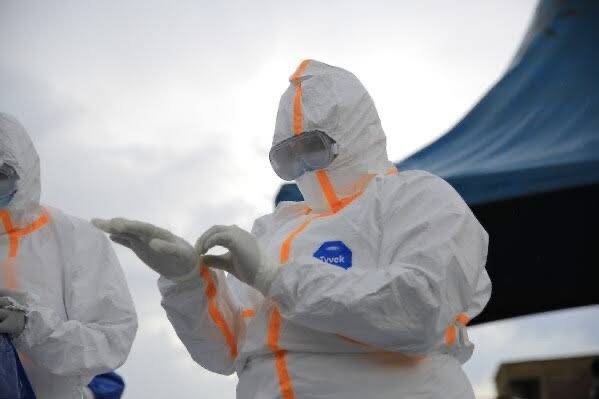
That experience has also shaped Nigeria’s preparedness systems for viral haemorrhagic diseases, including surveillance procedures, contact tracing, infection prevention and control measures and protocols for suspected cases.
The current NCDC alert builds on those preparedness structures while responding to a different Ebola strain and a significantly changed regional epidemiological situation.
What the High-Alert Status Means for Nigerians
For members of the public, the latest announcement does not mean that Nigerians should panic or assume that Ebola is circulating widely in the country.
Instead, the health authorities are asking people to remain alert and to seek professional medical attention if they develop symptoms consistent with Ebola, particularly when accompanied by relevant travel or exposure history.
The most important public health measures remain early reporting, appropriate medical assessment and cooperation with health authorities if a suspected case is identified.
Travellers from countries with active or relevant Ebola transmission should also follow the instructions issued by health authorities and complete any required health declaration documentation.
Why the Alert Matters for Africa
The situation has implications beyond Nigeria because the outbreak is occurring in a region with substantial cross-border movement.
The DRC’s affected provinces include areas close to international borders, while population movement, trade and informal crossings can complicate efforts to identify and monitor potential infections.
WHO has therefore emphasised cross-border preparedness, surveillance, contact tracing, clinical readiness and coordination between affected and neighbouring countries.
For Nigeria, maintaining preparedness can help ensure that any suspected imported case is identified quickly and investigated before wider transmission occurs.
The experience of previous Ebola responses also demonstrates why early action is important: delays in detecting infections can make contact tracing and containment considerably more difficult.
What Happens Next
The NCDC said Nigeria’s preparedness measures will continue to be reviewed according to the evolving epidemiological situation and public health risk assessment.
Health authorities are expected to maintain surveillance at points of entry, monitor developments in countries affected by Ebola and adjust travel and public health measures when necessary.
The agency has not announced a blanket requirement for all international travellers to complete health declaration forms. For now, the measure applies to travellers arriving from countries with active or relevant Ebola transmission.
For Nigerians, the immediate priority remains vigilance rather than panic.
The country’s high-alert status reflects the seriousness of the regional Ebola situation and the need for early preparedness, while the absence of a reported confirmed case linked to the current outbreak means the present response remains focused on preventing importation and ensuring that any suspected infection can be detected and managed quickly.
Weng Global – stories beyond borders
Sources
- Nigeria Centre for Disease Control and Prevention (NCDC)
- World Health Organization (WHO)
- Channels Television
- Punch
- Vanguard