Reported by Weng Patrick Atokor | Journalist at Weng Global
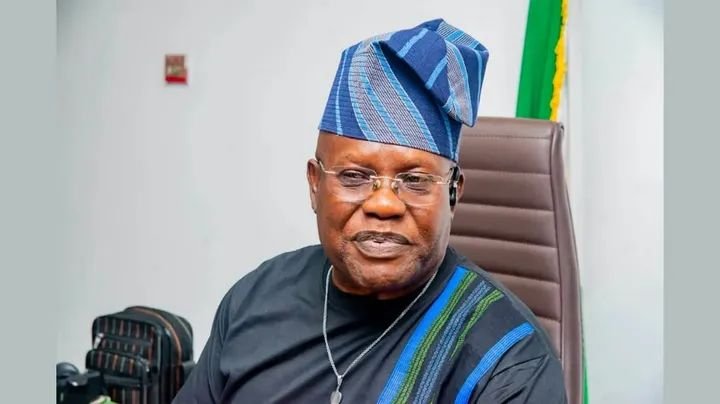
The re-election of Osun State Governor, Ademola Adeleke, has been described as a clear confirmation of the confidence and trust the people of the state have in his administration.
A member of the National Working Committee (NWC) of the Peoples Democratic Party (PDP), Diran Odeyemi, said the outcome of the August 15, 2026 governorship election demonstrated that voters were satisfied with the direction of governance under Adeleke.
Odeyemi’s position comes after the Independent National Electoral Commission (INEC) declared Adeleke the winner of the election, giving the incumbent governor a second term in office.
According to INEC’s declaration, Adeleke, who contested the election on the platform of the Accord Party, polled 511,067 votes, defeating his closest challenger, the All Progressives Congress (APC) candidate, Bola Oyebamiji, by a margin of 66,252 votes.
The result represents a significant political development in Osun, particularly because Adeleke contested the election outside the PDP platform that brought him to office in 2022.
Re-election as vote of confidence
Odeyemi argued that the electorate had used the election to assess Adeleke’s first-term performance and subsequently decided to renew his mandate.
His assessment places the election beyond party politics, suggesting that the governor’s performance and relationship with voters played an important role in the outcome.
The result also indicates the importance of incumbency, political organisation and voter sentiment in Osun’s highly competitive political environment.
Adeleke first emerged as governor in the 2022 governorship election, when he defeated the then-incumbent APC governor, Gboyega Oyetola. The 2022 contest was also closely fought, with Adeleke winning 403,371 votes against Oyetola’s 375,027 votes.
Four years later, Adeleke has secured another mandate, this time after a campaign conducted under the Accord Party.
The development has generated reactions across Nigeria, with political leaders and groups congratulating the governor and interpreting the result in different ways.
INEC declares Adeleke winner
The election held on Saturday, August 15, followed months of intense political activities involving the major political parties and their candidates.
INEC subsequently declared Adeleke the winner after the collation of results.
Premium Times reported that the governor defeated 14 other candidates in the contest, while the APC’s Oyebamiji emerged as his closest challenger.
The result has placed Adeleke in a stronger political position as he prepares to begin another four-year tenure.
His victory has also attracted attention beyond Osun State because the election is one of the major off-cycle governorship contests ahead of Nigeria’s 2027 general elections.
Al Jazeera noted before the election that the Osun contest could provide an early indication of changing political alliances and voter sentiment ahead of the 2027 presidential election.
Reactions to the victory
The governor’s victory has been followed by celebrations in different parts of Osun.
Residents and supporters were reported to have taken to the streets in Osogbo and Ede, Adeleke’s hometown, to celebrate the election outcome.
Osun civil servants also gathered at the state secretariat in Osogbo on Monday following Adeleke’s re-election, with supporters and members of the Accord Party joining the celebrations.
The reactions demonstrate the emotional and political significance attached to the election by Adeleke’s supporters.
However, the renewed mandate also comes with expectations that the governor will use his second term to consolidate his achievements and address outstanding challenges confronting the state.
Calls for inclusive governance
While congratulating Adeleke, the Inter-Party Advisory Council (IPAC) in Osun urged the governor to ensure equitable distribution of government resources, appointments and development projects across the state.
The call reflects one of the major responsibilities facing the governor after securing a second term: transforming electoral support into broader governance outcomes.
Political victory provides a mandate, but the success of a second administration will ultimately be measured by its ability to deliver on infrastructure, education, healthcare, employment, economic development and other issues affecting residents.
Adeleke is therefore expected to use the renewed mandate to deepen policies introduced during his first administration while developing new initiatives capable of improving the living conditions of Osun residents.
A broader political message
The Osun election has also attracted attention because of its potential implications for Nigeria’s wider political landscape.
Adeleke’s victory has been interpreted by some political observers as evidence that voters can still determine electoral outcomes regardless of the strength of the political establishment supporting a candidate.
The election therefore provides another example of the competitive nature of Nigeria’s electoral politics.
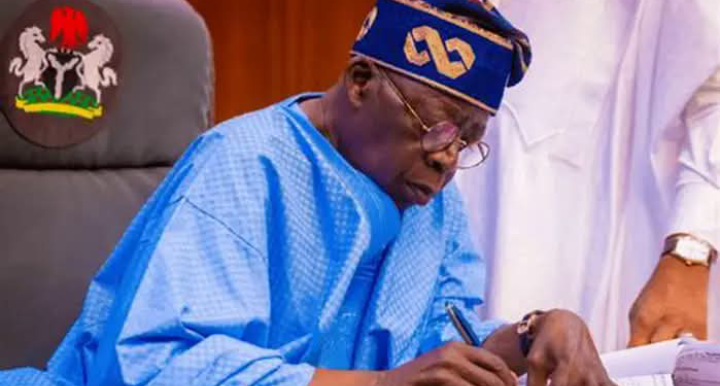
President Bola Ahmed Tinubu has also congratulated Adeleke and urged him to use his renewed mandate to promote unity and development in Osun State.
Former Osun Governor Rauf Aregbesola similarly congratulated Adeleke and called on him to use the new mandate to unite the state and deepen development.
These reactions indicate that attention has now shifted from the election campaign to governance.
What the second term means for Adeleke
Adeleke’s second term gives him an opportunity to build on his first administration without the immediate pressure of seeking another governorship mandate.
The governor will now have to demonstrate that the confidence expressed through the ballot box can translate into measurable improvements in the lives of Osun residents.
For supporters, the election result is an endorsement of the governor’s record.
For critics and opposition parties, it provides an opportunity to scrutinise his administration even more closely and demand accountability over public resources and government policies.
Odeyemi’s assertion that the re-election confirms the people’s trust therefore carries a broader political message: the electorate has spoken, and the responsibility now rests with the administration to justify that confidence.
The coming years will determine whether the renewed mandate becomes associated with stronger development, improved public services and greater political stability in Osun.
For now, Adeleke has secured the opportunity to continue leading the state, while the people of Osun await the fulfilment of the expectations that accompanied his re-election.
The 2026 result has consequently opened a new chapter in Osun politics, with the governor facing both the advantage of a renewed mandate and the responsibility of delivering on the trust placed in him by voters.
Sources
- Premium Times — INEC declares Ademola Adeleke winner of Osun governorship election
- Punch — Soludo says Adeleke’s re-election reflects people’s trust
- Al Jazeera — Why Osun’s election matters for Nigeria’s 2027 vote
- Channels Television — Osun residents react to Adeleke’s re-election
- Vanguard — IPAC tasks Adeleke on inclusive governance
- ThisDay — Tinubu congratulates Adeleke and urges unity
- TVC News — Aregbesola congratulates Adeleke