Reported by Weng Patrick Atokor | Journalist at Weng Global
Football’s greatest international stage has produced generations of players whose longevity, consistency and quality have allowed them to return to the FIFA World Cup four or more times.
Following the conclusion of the 2026 FIFA World Cup in North America, the list has expanded significantly, with more than 60 players now having featured in at least four World Cup tournaments.
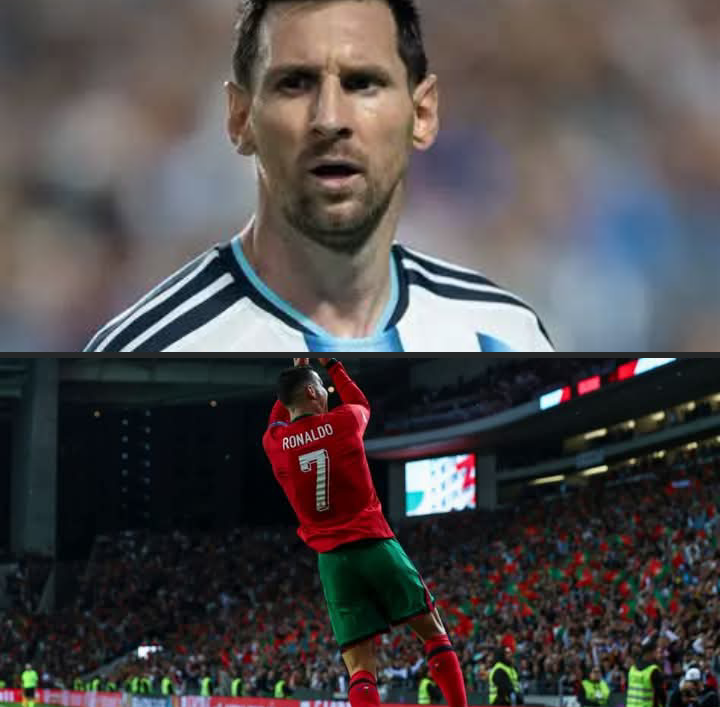
Among the most notable names are Argentina captain Lionel Messi and Portugal superstar Cristiano Ronaldo, who both reached a record six World Cup tournaments in 2026. FIFA confirmed before the tournament that Messi, Ronaldo and Mexico goalkeeper Guillermo Ochoa were heading to their sixth World Cup, although Ochoa did not play in the 2006 and 2010 editions.
Messi entered the 2026 tournament having already established himself as the player with the most World Cup match appearances. He subsequently extended several of his tournament records during the competition. FIFA also confirmed that Ronaldo became the first player to score in six different World Cup editions.
Messi and Ronaldo at the top
Messi’s World Cup journey began at Germany 2006, when he made his tournament debut as an 18-year-old.
He subsequently represented Argentina at the 2010, 2014, 2018 and 2022 World Cups before returning for the 2026 tournament. His 2026 campaign further strengthened his position among the greatest players in World Cup history.
FIFA records show that Messi holds the record for World Cup victories, finishing the 2026 tournament with 23 wins.
Ronaldo also made his World Cup debut in 2006 and appeared at the tournament in 2010, 2014, 2018 and 2022 before making his sixth appearance in 2026.
His most remarkable achievement in North America was becoming the first player to score at six different World Cups. FIFA said his two goals against Uzbekistan took him beyond the previous record of five editions.
The full list
The following players have been listed among those who have been included in at least four World Cup final-tournament squads, with the majority also making appearances in four or more editions:
Six World Cups
- Lionel Messi — Argentina — 2006, 2010, 2014, 2018, 2022, 2026
- Cristiano Ronaldo — Portugal — 2006, 2010, 2014, 2018, 2022, 2026
- Guillermo Ochoa — Mexico — 2006, 2010, 2014, 2018, 2022, 2026
FIFA notes that Ochoa was part of Mexico’s 2006 and 2010 squads without making an appearance in either tournament.
Five World Cups
- Antonio Carbajal — Mexico — 1950, 1954, 1958, 1962, 1966
- Andrés Guardado — Mexico — 2006, 2010, 2014, 2018, 2022
- Rafael Márquez — Mexico — 2002, 2006, 2010, 2014, 2018
- Lothar Matthäus — Germany — 1982, 1986, 1990, 1994, 1998
- Luka Modrić — Croatia — 2006, 2014, 2018, 2022, 2026
- Yūto Nagatomo — Japan — 2010, 2014, 2018, 2022, 2026
- Manuel Neuer — Germany — 2010, 2014, 2018, 2022, 2026
- Gianluigi Buffon — Italy — 1998, 2002, 2006, 2010, 2014
- Fernando Muslera — Uruguay — 2010, 2014, 2018, 2022, 2026
Four World Cups
- Sami Al-Jaber — Saudi Arabia — 1994, 1998, 2002, 2006
- DaMarcus Beasley — United States — 2002, 2006, 2010, 2014
- Valon Behrami — Switzerland — 2006, 2010, 2014, 2018
- Giuseppe Bergomi — Italy — 1982, 1986, 1990, 1998
- Sergio Busquets — Spain — 2010, 2014, 2018, 2022
- Martín Cáceres — Uruguay — 2010, 2014, 2018, 2022
- Cafu — Brazil — 1994, 1998, 2002, 2006
- Tim Cahill — Australia — 2006, 2010, 2014, 2018
- Denis Caniza — Paraguay — 1998, 2002, 2006, 2010
- Fabio Cannavaro — Italy — 1998, 2002, 2006, 2010
- Iker Casillas — Spain — 2002, 2006, 2010, 2014
- Edinson Cavani — Uruguay — 2010, 2014, 2018, 2022
- Thibaut Courtois — Belgium — 2014, 2018, 2022, 2026
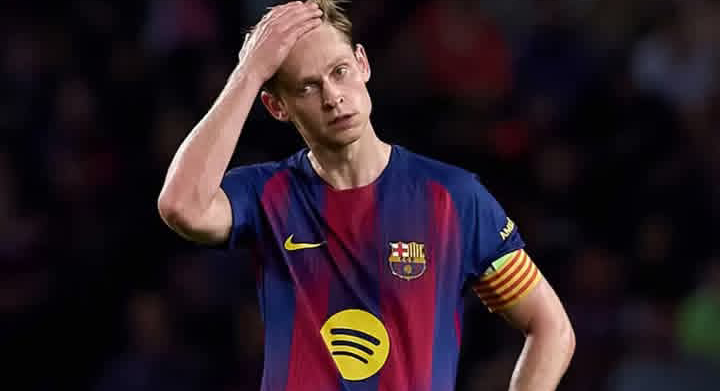
- Kevin De Bruyne — Belgium — 2014, 2018, 2022, 2026
- Ángel Di María — Argentina — 2010, 2014, 2018, 2022
- Samuel Eto’o — Cameroon — 1998, 2002, 2010, 2014
- Diego Godín — Uruguay — 2010, 2014, 2018, 2022
- Ehsan Hajsafi — Iran — 2014, 2018, 2022, 2026
- Jordan Henderson — England — 2014, 2018, 2022, 2026
- Thierry Henry — France — 1998, 2002, 2006, 2010
- Hong Myung-bo — South Korea — 1990, 1994, 1998, 2002
- Andrés Iniesta — Spain — 2006, 2010, 2014, 2018
- Alireza Jahanbakhsh — Iran — 2014, 2018, 2022, 2026
- Raúl Jiménez — Mexico — 2014, 2018, 2022, 2026
- Miroslav Klose — Germany — 2002, 2006, 2010, 2014
- Mateo Kovačić — Croatia — 2014, 2018, 2022, 2026
- Mathew Leckie — Australia — 2014, 2018, 2022, 2026
- Hugo Lloris — France — 2010, 2014, 2018, 2022
- Romelu Lukaku — Belgium — 2014, 2018, 2022, 2026
- Paolo Maldini — Italy — 1990, 1994, 1998, 2002
- Diego Maradona — Argentina — 1982, 1986, 1990, 1994
- Javier Mascherano — Argentina — 2006, 2010, 2014, 2018
- Héctor Moreno — Mexico — 2010, 2014, 2018, 2022
- Thomas Müller — Germany — 2010, 2014, 2018, 2022
- Neymar — Brazil — 2014, 2018, 2022, 2026
- Nicolás Otamendi — Argentina — 2010, 2018, 2022, 2026
- Pelé — Brazil — 1958, 1962, 1966, 1970
- Pepe — Portugal — 2010, 2014, 2018, 2022
- Ivan Perišić — Croatia — 2014, 2018, 2022, 2026
- Sergio Ramos — Spain — 2006, 2010, 2014, 2018
- Gianni Rivera — Italy — 1962, 1966, 1970, 1974
- Pedro Rocha — Uruguay — 1962, 1966, 1970, 1974
- Ricardo Rodríguez — Switzerland — 2014, 2018, 2022, 2026
- Mathew Ryan — Australia — 2014, 2018, 2022, 2026
- Djalma Santos — Brazil — 1954, 1958, 1962, 1966
- Karl-Heinz Schnellinger — West Germany — 1958, 1962, 1966, 1970
- Enzo Scifo — Belgium — 1986, 1990, 1994, 1998
- Uwe Seeler — West Germany — 1958, 1962, 1966, 1970
- Xherdan Shaqiri — Switzerland — 2010, 2014, 2018, 2022
- Son Heung-min — South Korea — 2014, 2018, 2022, 2026
- Rigobert Song — Cameroon — 1994, 1998, 2002, 2010
- Luis Suárez — Uruguay — 2010, 2014, 2018, 2022
- Franky Van der Elst — Belgium — 1986, 1990, 1994, 1998
- Axel Witsel — Belgium — 2014, 2018, 2022, 2026
- Xavi — Spain — 2002, 2006, 2010, 2014
- Granit Xhaka — Switzerland — 2014, 2018, 2022, 2026
- Władysław Żmuda — Poland — 1974, 1978, 1982, 1986
- Andoni Zubizarreta — Spain — 1986, 1990, 1994, 1998
The historical records show that some other players were included in four World Cup squads but did not actually play in all four editions. These include names such as Mohamed Al-Deayea, Bobby Charlton, José Giménez, Fernando Hierro, Hwang Sun-hong, Eiji Kawashima, Kim Seung-gyu, Lee Woon-jae, Jim Leighton, Sepp Maier, Claudio Reyna, Ronaldo Nazário, Nílton Santos, Thiago Silva, Marc Wilmots, Lev Yashin, Dobromir Zhechev, Dino Zoff, Enrico Albertosi and Oliver Kahn.
A record built on longevity
The remarkable feature of the list is the mixture of generations.
Brazilian legend Pelé appeared at four World Cups and won three of them. Cafu also appeared at four tournaments and became one of the most decorated full-backs in World Cup history.
Germany’s Lothar Matthäus played at five tournaments between 1982 and 1998, while Miroslav Klose appeared at four and remains one of the competition’s most successful goalscorers.
Mexico has been particularly well represented in the longevity records, with Carbajal, Márquez, Guardado and Ochoa all reaching at least five World Cup squad inclusions.
The 2026 tournament added a new generation to the list. Modrić, Nagatomo and Neuer reached five World Cups, while several players including De Bruyne, Courtois, Neymar, Otamendi, Perišić, Xhaka, Son and others reached four. FIFA’s own 2026 statistics highlighted Messi, Ronaldo and Ochoa as the players reaching six World Cups, while Modrić, Nagatomo and Neuer reached five.
The achievement is particularly significant because World Cups are held only once every four years. Reaching four tournaments therefore requires at least 12 years of international-level consistency, while five or six editions represent careers spanning roughly two decades.
For Messi and Ronaldo, the 2026 tournament provided another chapter in one of football’s greatest individual rivalries. Messi became the first man to appear at six World Cups, while Ronaldo joined him in that six-tournament club and went further by becoming the first player to score in six editions.
The records underline how difficult it is for players to remain fit, selected and competitive across multiple generations of international football.
As the World Cup enters a new era following the expansion to 48 teams in 2026, the number of players reaching four or more tournaments could continue to grow. However, the achievements of the legends already on the list remain a lasting measure of endurance and excellence on football’s biggest stage.