Reported Simon Daniel Yusuph l journalist at wengglobal
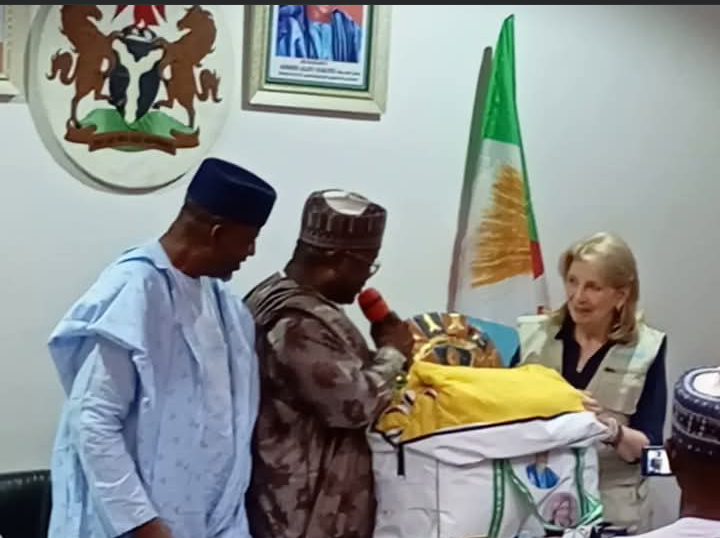
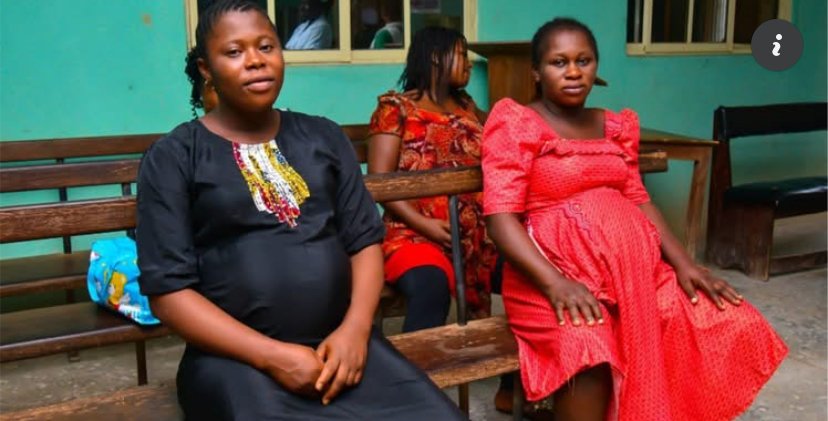
The Sokoto State Government is intensifying efforts to reduce maternal and newborn deaths through a combination of free maternal healthcare, upgraded primary healthcare facilities, family-planning services and plans to provide delivery kits to women giving birth in public health facilities.
The initiative is part of a wider push by the state government to make childbirth safer and more affordable, particularly for women in rural and low-income communities who may face financial, geographical and healthcare access barriers.
Recent developments indicate that the state is pursuing a multi-layered strategy rather than relying on a single intervention. Alongside the proposed provision of free delivery kits, Sokoto has expanded its Safe Delivery Initiative, upgraded Primary Healthcare Centres (PHCs), increased funding for reproductive health commodities and strengthened its partnership with the United Nations Population Fund (UNFPA).
The renewed focus comes against the backdrop of Nigeria’s persistent maternal health challenge, with preventable complications during pregnancy and childbirth continuing to place a significant burden on women and families.
Sokoto targets all 244 designated primary healthcare facilities
A major component of the state’s maternal-health strategy is the Safe Delivery Initiative, under which Sokoto State recently inaugurated 75 upgraded PHCs in its third implementation phase.
According to The PUNCH, the latest rollout brought the number of facilities meeting national standards for safe delivery services to 92 across the state’s 23 local government areas. The government has set a target of making all 244 designated facilities compliant with the required standards by the end of December 2026. (Punch Newspapers)
The upgraded facilities are expected to provide essential maternal services closer to communities. Officials said the centres have been equipped with skilled birth attendants, essential medicines, medical equipment, water and electricity infrastructure and other requirements established under national primary healthcare standards.
The objective is straightforward: women should not have to travel unnecessarily long distances to obtain basic antenatal, delivery and postnatal care.
For a state with a large rural population, improving the availability and functionality of PHCs could be particularly important. Distance from healthcare facilities has been identified as one of the barriers that can prevent pregnant women from completing the transition from antenatal care to institutional delivery.
A 2026 study published in Scientific Reports found substantial geographical variation in institutional-delivery dropout in Nigeria, with Sokoto recording the highest rate among the states examined in the study’s dataset. The researchers identified factors including difficulties seeking medical care and long distance to health facilities as important contributors. (PubMed)
Free delivery kits could reduce financial barriers
The proposed distribution of free delivery kits is intended to complement improvements in health facilities.
Delivery kits, commonly referred to as “Mama Kits”, typically contain basic items needed around childbirth. Their provision can help reduce the immediate financial burden on pregnant women and families, particularly those who might otherwise struggle to purchase essential delivery materials.
Sokoto’s own budget documents show that the procurement of delivery kits for pregnant women across the state’s 23 local government areas has been included as a government expenditure item. The 2025 approved budget listed N270 million for procurement of delivery kits for pregnant women statewide, while the state’s budget-performance documents also recorded the programme. (sokotostate.gov.ng)
The move is therefore not entirely new. In March 2025, The PUNCH and Nigerian Tribune reported that the Sokoto State Government had spent N1.66 billion on essential drugs and Mama Kits distributed to 244 PHCs across the state’s 23 local government areas. (Punch Newspapers)
The supplies reportedly included maternal and child-health medicines, Misoprostol, chlorhexidine gel and Mama delivery kits.
The 2025 distribution also demonstrated that the state was already attempting to integrate delivery supplies into a broader maternal-health package rather than treating the kits as an isolated intervention.
Governor Ahmed Aliyu, according to reports at the time, warned officials and healthcare workers against diverting medical supplies and called for monitoring to ensure that commodities reached intended beneficiaries. (Punch Newspapers)
That accountability dimension will remain important as the programme expands.
UNFPA partnership strengthens reproductive-health intervention
Sokoto’s maternal-health strategy has also increasingly involved development partners.
In July 2026, The PUNCH reported that the Sokoto State Government partnered with UNFPA to procure family-planning commodities that would be distributed free of charge to women of reproductive age through public health facilities. (Punch Newspapers)
The state contributed funding under a matching arrangement with UNFPA. According to the report, Sokoto increased its budgetary allocation for family-planning commodities from N30 million in 2025 to N150 million in the 2026 budget, while UNFPA provided additional support under its matching-fund mechanism. (Punch Newspapers)
The Commissioner for Health, Dr Faruk Umar Abubakar, said improved access to family planning could help women determine when to become pregnant and reduce unintended and high-risk pregnancies.
The intervention is relevant to maternal mortality because preventing unintended pregnancies and allowing adequate spacing between births can reduce exposure to pregnancy-related complications.
UNFPA officials also stressed that procurement alone would not be sufficient. Effective last-mile distribution, accurate reporting of commodity use and proper monitoring are necessary to ensure that reproductive-health supplies reach women who need them.
This principle applies equally to delivery kits: a government announcement or budget allocation will only translate into improved maternal outcomes if the supplies consistently reach health facilities and pregnant women.
Government links affordability with access
Another element of Sokoto’s strategy is expanding financial protection for vulnerable residents.
During the launch of the Safe Delivery Initiative’s latest phase, the state government announced the release of about N132 million as its counterpart contribution under the Basic Healthcare Provision Fund.
Officials said the funding would support health insurance coverage for vulnerable women, children and other eligible residents.
The Director-General of the Sokoto State Contributory Healthcare Management Agency, Dr Yusuf Abu Abdulkarim, said the state’s objective was to ensure that women could use upgraded facilities without being prevented by cost. The PUNCH reported that more than 17,100 pregnant women had already been enrolled under the Safe Delivery Initiative in the newly upgraded facilities. (Punch Newspapers)
The agency also reported improvements in institutional deliveries at some facilities. In one example cited by the agency, institutional deliveries reportedly increased from about 20 per cent to 47 per cent following interventions.
While such facility-level improvements are encouraging, they should be interpreted carefully. A change at an individual facility does not by itself establish a statewide reduction in maternal mortality. Sustained monitoring, independent evaluation and transparent publication of health outcomes will be necessary to determine the overall impact of the programme.
Why maternal health remains a critical priority
Maternal mortality is rarely caused by a single factor. Severe bleeding, hypertensive disorders, infections and complications arising during pregnancy and childbirth can become fatal when women cannot reach appropriate care quickly or when facilities lack trained personnel, medicines and equipment.
This makes the Sokoto approach significant because it combines several elements of the maternal-health chain.
Upgrading PHCs addresses the availability of services.
Skilled birth attendants address the human-resource component.
Medicines and delivery kits address the availability of essential supplies.
Family planning addresses prevention and birth spacing.
Health insurance and free services address affordability.
Community mobilisation addresses awareness and demand for facility-based care.
However, the success of the programme will depend on whether these components remain functional beyond ceremonial launches and initial distributions.
Last-mile delivery and accountability will be decisive
One of the biggest tests facing the Sokoto Government will be ensuring that maternal-health interventions reach women in remote communities.
A facility may be formally upgraded, but women may still avoid it if they are unaware of available services, cannot afford transport, lack family support or distrust the quality of care.
Similarly, free delivery kits can reduce the cost of childbirth but cannot by themselves prevent deaths caused by obstetric emergencies.
For that reason, maternal-health experts generally emphasise a continuum of care — from antenatal services and skilled birth attendance to emergency obstetric care and postnatal follow-up.
Sokoto’s decision to target all 244 designated PHCs could help create a stronger network, provided the state can maintain staffing, medicines, equipment, electricity, water and referral systems.
The compulsory rural posting policy for professional midwives announced alongside the Safe Delivery Initiative is another attempt to address the uneven distribution of skilled healthcare workers. (Punch Newspapers)
A broader test of Nigeria’s maternal-health response
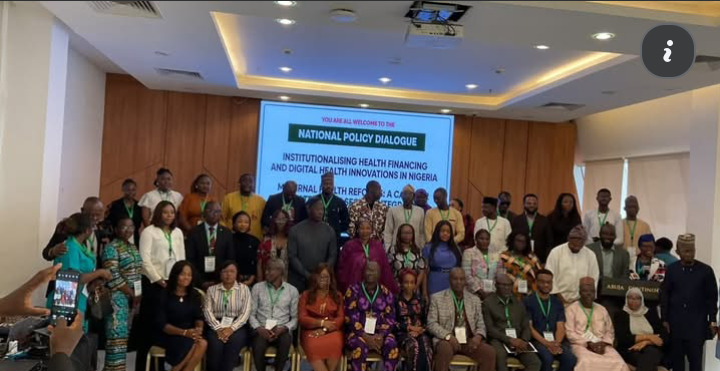
Sokoto’s efforts form part of a broader national conversation about reducing maternal and newborn mortality in Nigeria.
The state’s recent actions also coincide with other interventions aimed at strengthening reproductive healthcare in northern Nigeria, including federal and development-partner programmes.
The significance of Sokoto’s approach lies in its attempt to combine state financing, donor partnerships, primary healthcare strengthening and financial protection.
Yet the ultimate measure of success will be outcomes, not expenditure announcements.
A meaningful reduction in maternal mortality should be reflected in fewer preventable deaths, greater use of skilled birth services, earlier identification of pregnancy complications, improved referral systems and better survival for mothers and newborns.
The proposed free delivery-kit programme could contribute to those objectives by removing one practical barrier to facility-based childbirth. But it will have the greatest impact when embedded within a functioning health system where women can reach properly staffed facilities, receive essential medicines and obtain emergency care when complications arise.
For Sokoto, the challenge now is to turn policy commitments into consistent services across all 23 local government areas.
If the government succeeds in bringing all 244 targeted PHCs up to standard while ensuring that free maternal commodities reach their intended beneficiaries, the state could strengthen the foundation for safer childbirth and more equitable maternal healthcare.
The coming months will therefore be crucial. With the state targeting full compliance of its designated PHCs by the end of 2026, continued transparency around funding, procurement, staffing, distribution and health outcomes will be essential for determining whether the initiative delivers the reduction in maternal and newborn mortality that the government has promised.
Sources
- The PUNCH — “Sokoto targets 244 PHCs, launches 75 under safe delivery initiative” (Punch Newspapers)
- The PUNCH — “Sokoto partners UNFPA on maternal health” (Punch Newspapers)
- The PUNCH — “Sokoto distributes drugs, kits worth N1.66bn to PHCs” (Punch Newspapers)
- Nigerian Tribune — “Sokoto govt spends N1.66bn on drugs, mama kits for 244 health centres” (Tribune Online)
- Voice of Nigeria — “Sokoto Government, UNFPA Distribute Sanitary, Delivery Kits” (Voice of Nigeria)
- Sokoto State Government — 2025 Approved Budget and Budget Performance documents. (sokotostate.gov.ng)
- Scientific Reports — 2026 study on institutional-delivery dropout and geographical disparities in Nigeria. (PubMed)