Trump Tightens U.S. Birth-Tourism Rules, Putting Visa-Seeking Foreign Parents on Notice!
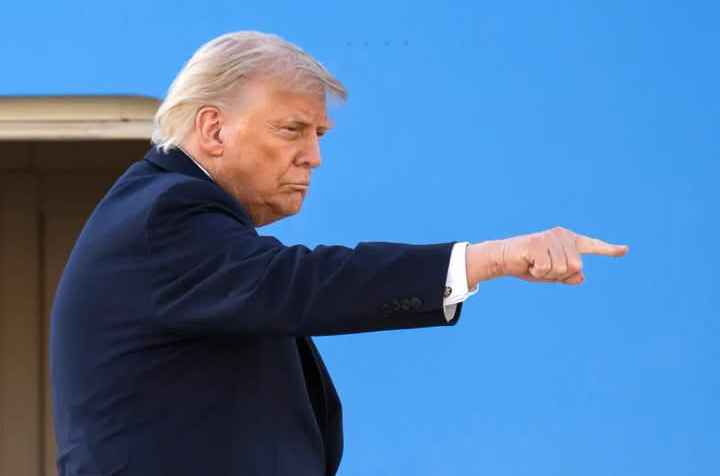
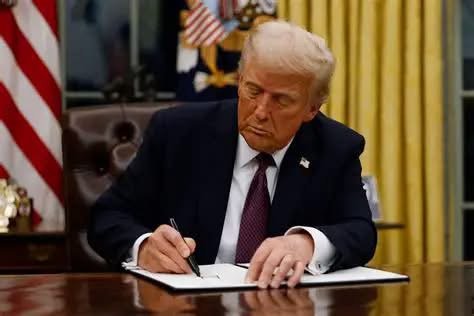
WASHINGTON — U.S. President Donald Trump has renewed his administration’s campaign against so-called “birth tourism,” signing new executive actions that seek to restrict the ability of foreign nationals to travel to the United States primarily to give birth and secure U.S. citizenship for their children.
The latest measures, signed on August 6, 2026, represent a fresh attempt by the Trump administration to reshape the long-standing U.S. approach to birthright citizenship and immigration enforcement, coming only weeks after the Supreme Court rejected a broader Trump effort to limit citizenship for many children born on American soil. (Reuters)
The administration’s latest approach is narrower than the sweeping executive order issued during Trump’s second term in January 2025. Rather than attempting to broadly deny citizenship to children born in the United States to undocumented migrants and temporary visa holders, the new measures focus on particular categories and on alleged abuses involving birth tourism, foreign-government ties and fraudulent efforts to obtain citizenship.
For foreign nationals planning to travel to the United States, the policy shift carries significant implications, particularly for people seeking visitor visas while pregnant or whose circumstances may lead U.S. consular officers to believe that giving birth is the primary purpose of their proposed trip.
Birth tourism becomes a renewed immigration target
“Birth tourism” generally refers to the practice of foreign nationals travelling to another country, including the United States, with the principal intention of giving birth there so that the child may obtain citizenship under that country’s laws.
The Trump administration has argued that organized birth-tourism operations exploit the U.S. immigration system and can involve immigration fraud, money laundering and other forms of criminal activity. The White House has also framed the practice as a potential burden on public resources and an issue of national security.
However, the scale of birth tourism remains disputed. FactCheck.org reported in April 2026 that the U.S. government does not maintain an official estimate of the number of birth-tourism cases. One outside estimate cited by the organization placed the figure at more than 20,000 births annually, although the available data remain limited. (FactCheck.org)
The distinction between travelling to the United States while pregnant and travelling specifically to give birth for citizenship purposes is therefore important. Pregnancy itself does not automatically prevent a foreign national from travelling to the United States. U.S. Customs and Border Protection states that there is no blanket prohibition on pregnant foreign nationals entering the country, although admission is determined by border officers and can depend on factors including the purpose of travel, ability to pay medical expenses and intention to leave the United States. (CBP Help)
Visa scrutiny dates back to Trump’s first term
The Trump administration’s campaign against birth tourism is not entirely new.
In January 2020, during Trump’s first presidency, the U.S. Department of State amended regulations governing B-1 and B-2 visitor visas. Under the rule, consular officers were instructed to deny a B visa application when they had reason to believe the applicant intended to travel to the United States primarily to give birth in order to obtain U.S. citizenship for the child. (Travel State)
The 2020 rule did not prohibit all pregnant women from obtaining U.S. visas or entering the country. Instead, it established that obtaining citizenship for a child through birth in the United States was not a legitimate purpose for a visitor visa.
The State Department’s current guidance continues to reflect that policy, stating that a B visa application can be denied when a consular officer has reason to believe the applicant’s primary purpose is giving birth in the United States to obtain citizenship for the child. (Travel State)
The latest executive actions therefore build on an existing immigration framework while placing renewed political and enforcement emphasis on birth tourism.
What the latest Trump orders seek to change
The August 6 executive actions come as part of Trump’s renewed effort to challenge the scope of birthright citizenship.
According to Reuters, the president signed two executive orders targeting different aspects of citizenship and birth tourism. One addresses categories of children whose U.S. citizenship the administration says should not automatically be recognized, while the other focuses specifically on birth tourism and immigration enforcement. (Reuters)
The measures seek to direct federal agencies to apply tighter scrutiny to foreign nationals suspected of travelling to the United States primarily to give birth. The administration has also indicated that visa violations connected to fraudulent birth-tourism arrangements could expose individuals and facilitators to immigration or criminal consequences.
The Wall Street Journal reported that the measures instruct the Departments of State and Homeland Security to increase scrutiny of visa applicants suspected of intending to give birth in the United States, with possible visa revocation and other immigration consequences in cases involving violations. (The Wall Street Journal)
The policy could consequently affect not only individual travellers but also businesses and intermediaries accused of arranging birth-tourism packages.
Supreme Court ruling adds a major legal complication
The new policy arrives against the backdrop of a major constitutional dispute.
In June 2026, the U.S. Supreme Court rejected Trump’s earlier attempt to broadly restrict birthright citizenship. The case centred on the meaning of the 14th Amendment’s Citizenship Clause, which has traditionally been understood to grant U.S. citizenship to people born in the country and subject to its jurisdiction.
The congressional Constitution Annotated notes that the 14th Amendment provides that people “born or naturalized in the United States” and subject to U.S. jurisdiction are citizens of the United States and the state where they reside. (Congress.gov)
Reuters reported that the Supreme Court’s June ruling rejected Trump’s earlier attempt to curtail birthright citizenship, prompting the administration to pursue a narrower strategy. Trump subsequently said he intended to ask the Supreme Court to reconsider its decision, although such requests are rarely granted. (Investing.com)
The new executive actions are consequently expected to face further legal challenges.
The administration maintains that its latest measures address specific circumstances and longstanding exceptions rather than imposing the sweeping citizenship restrictions contained in the earlier order. Critics, however, argue that the executive branch cannot use presidential directives to override constitutional protections.
The Associated Press reported that legal experts and civil-rights advocates anticipate court challenges, particularly over whether the administration’s interpretation of birth-tourism exceptions can withstand constitutional scrutiny. (AP News)
Foreign parents face greater scrutiny
For prospective visitors, the practical message is clear: a valid visa does not guarantee admission to the United States, and travellers suspected of misrepresenting the purpose of their trip may face heightened scrutiny.
This is particularly relevant for pregnant travellers applying for visitor visas or seeking entry while intending to remain in the United States through childbirth.
U.S. immigration authorities may examine the stated purpose of travel, financial arrangements for medical care, expected length of stay and evidence that the traveller intends to return home. CBP guidance specifically notes that officers may consider the expected delivery date and whether a traveller has sufficient medical coverage to meet pregnancy-related expenses. (CBP Help)
The policy also places greater importance on truthful visa applications. Applicants who conceal the actual purpose of their travel could face consequences beyond a simple visa refusal if authorities determine that false representations or fraudulent schemes were involved.
The Trump administration has simultaneously expanded enforcement efforts against organizations allegedly facilitating birth-tourism schemes. Reuters reported in April that U.S. Immigration and Customs Enforcement had launched a “Birth Tourism Initiative” focused on networks suspected of helping pregnant foreign nationals enter the country by misrepresenting their intentions. (Investing.com)
A policy with wider immigration implications
The renewed crackdown is part of a broader Trump administration effort to reduce both legal and illegal immigration and tighten the conditions under which foreign nationals can enter or remain in the United States.
For the administration, birth tourism represents both an immigration-control issue and a test of the limits of executive power. For opponents, it raises questions about constitutional rights, equal treatment and the extent to which immigration officers can determine an applicant’s intentions based on circumstances surrounding pregnancy.
The issue also has international implications because the United States remains a major destination for international travel, medical services and education. Any significant tightening of visa rules can affect travellers, families, hospitals, airlines, immigration lawyers and businesses serving international visitors.
For foreign parents considering travel to the United States, the emerging policy environment means that visa applications and border inspections are likely to receive greater scrutiny where officials suspect childbirth for citizenship purposes is the principal objective.
At the same time, the latest measures do not mean that every foreign pregnant woman is automatically barred from obtaining a U.S. visa or entering the country. The central issue remains the purpose and circumstances of the proposed travel, alongside the evolving legal status of the Trump administration’s executive actions.
As legal challenges develop, the courts will ultimately determine how far the administration can go in restricting birth tourism and whether its latest measures can coexist with the constitutional framework governing U.S. citizenship.
For now, Trump’s latest orders have put foreign nationals, visa applicants and the businesses that assist international travellers on notice that Washington intends to pursue birth tourism more aggressively — even as the wider battle over birthright citizenship remains unresolved.
Sources
- Reuters — Trump signs orders to limit US birthright citizenship
- Associated Press — What to know about Trump’s new attempt to limit birthright citizenship
- U.S. Department of State — Birth Tourism Update
- Reuters — ICE launches new effort to uncover US ‘birth tourism schemes’
- FactCheck.org — What Do We Know About ‘Birth Tourism’?
- U.S. Congress, Constitution Annotated — Birthright Citizenship
- U.S. Customs and Border Protection — Can I visit the United States while pregnant?