Reported by Simon yusuph,| Journalist at wengglobal
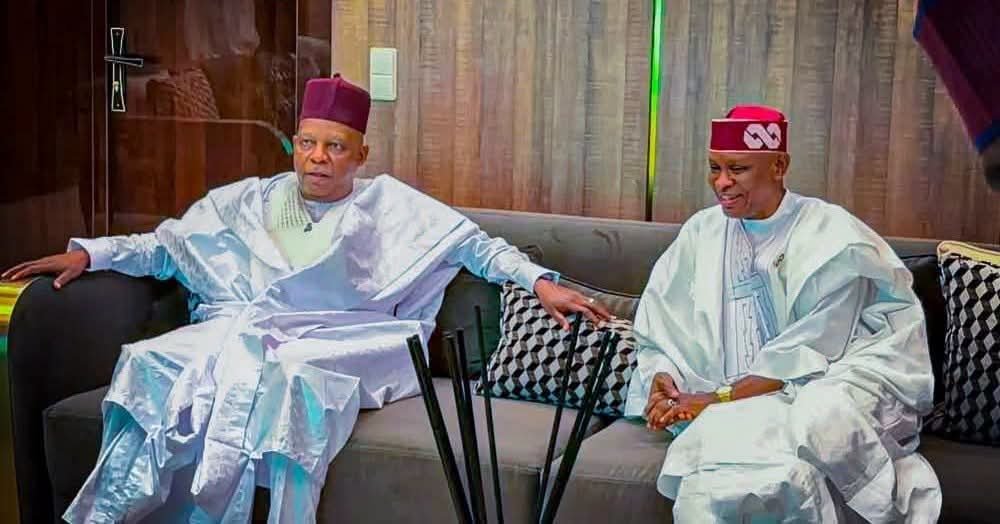
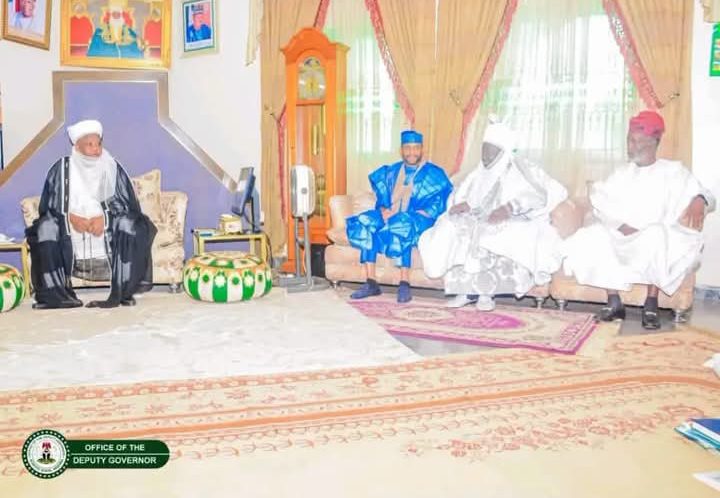
SOKOTO, Nigeria — A high-powered delegation from the Kano State Government has paid a condolence visit to the Sultan of Sokoto, His Eminence Alhaji Muhammadu Sa’ad Abubakar III, following the death of the Sardaunan Sokoto, Alhaji Abubakar Alhaji, in a gesture that underscored the enduring bonds of unity, respect, and shared heritage among Nigeria’s northern states.
The delegation conveyed the sympathies of the Kano State Government and people to the Sultanate Council, the bereaved family, and the people of Sokoto State over the passing of one of the region’s most respected traditional titleholders. The visit highlighted the significance of the late Sardauna’s contributions to public service, community development, and the preservation of Northern Nigeria’s cultural and traditional institutions.
The death of Alhaji Abubakar Alhaji has continued to attract tributes from political leaders, traditional rulers, religious institutions, and citizens across the country, many of whom have described him as a statesman whose commitment to peace, leadership, and national development earned him widespread admiration.
During the condolence visit, members of the Kano delegation prayed for the peaceful repose of the deceased and asked God to grant his family, the Sultanate Council, and the people of Sokoto the strength to bear the loss. They also reaffirmed the longstanding historical relationship between Kano and Sokoto, two emirates whose ties have shaped the political, religious, and cultural evolution of Northern Nigeria for generations.
Speaking on behalf of the delegation, Kano officials emphasized that the loss extends beyond Sokoto State, describing the late Sardauna as a respected national figure whose influence transcended regional boundaries. They noted that his counsel and commitment to public service would remain an enduring legacy for future generations.
The Sultan of Sokoto expressed appreciation for the visit, describing it as another demonstration of the solidarity that has long existed among northern communities. He thanked the Kano delegation for standing with the people of Sokoto during a period of mourning and prayed for continued peace and unity across Nigeria.
The title of Sardaunan Sokoto remains one of the most revered within the Sokoto Sultanate. Historically associated with distinguished service, integrity, and leadership, holders of the title have often played influential roles in governance, community development, education, philanthropy, and national discourse.
Alhaji Abubakar Alhaji was widely recognized for his decades of service in both public administration and community leadership. Throughout his career, he earned respect for his dedication to strengthening institutions, promoting dialogue, and supporting initiatives aimed at improving governance and social development.
His passing has prompted an outpouring of condolences from government officials, traditional institutions, civil society organizations, and religious leaders across Nigeria. Many have remembered him as a bridge-builder who consistently advocated peaceful coexistence, mutual respect, and responsible leadership.
Observers note that condolence visits such as the one undertaken by the Kano delegation are deeply rooted in Northern Nigeria’s cultural and Islamic traditions. Beyond expressing sympathy, they reinforce social cohesion and strengthen relationships between communities, governments, and traditional institutions.
Traditional institutions continue to occupy a significant place within Nigeria’s governance landscape. Although they do not exercise constitutional executive authority, emirs, chiefs, and traditional rulers remain influential voices in conflict resolution, cultural preservation, community mobilization, and humanitarian engagement. Their roles have become increasingly important in addressing insecurity, promoting peaceful coexistence, and supporting government-led development initiatives.
The Sultan of Sokoto, as the spiritual leader of millions of Nigerian Muslims and head of the Sokoto Caliphate, has consistently advocated national unity, religious tolerance, dialogue, and peaceful conflict resolution. Under his leadership, the Sultanate has remained actively engaged in initiatives promoting interfaith harmony, education, and humanitarian support across Nigeria.
The condolence visit also reflects the enduring relationship between Kano and Sokoto, whose historical connections date back centuries. Both states have played central roles in the evolution of Islamic scholarship, commerce, governance, and traditional leadership in West Africa. Their continued collaboration on cultural and social matters reinforces the broader objective of preserving shared values while fostering regional stability.
Political analysts believe that moments of collective mourning often provide opportunities for leaders to reaffirm commitments to national cohesion. In a country as diverse as Nigeria, public demonstrations of solidarity among states and traditional institutions help reinforce confidence in peaceful coexistence despite political, ethnic, and religious differences.
As tributes continue to pour in from across Nigeria, many have urged younger generations to emulate the late Sardauna’s dedication to integrity, service, humility, and community development. His legacy, they argue, should serve as a reminder that leadership is measured not only by public office but by lasting contributions to society and the lives positively impacted over time.
For the people of Sokoto, the passing of Alhaji Abubakar Alhaji marks the end of an era. Yet his influence is expected to endure through the institutions he strengthened, the communities he served, and the values he championed throughout his lifetime.
The Kano State delegation’s visit therefore stands not merely as a ceremonial gesture but as a reaffirmation of the enduring spirit of unity that binds Northern Nigeria together. In mourning one of its distinguished sons, both Kano and Sokoto have demonstrated that compassion, solidarity, and mutual respect remain central pillars of the region’s cultural identity.
Sources:
- Daily Trust
- Leadership Newspaper
- Punch Newspapers
- Channels Television
- News Agency of Nigeria (NAN)