Reported by Simon yusuph,| Journalist at wengglobal
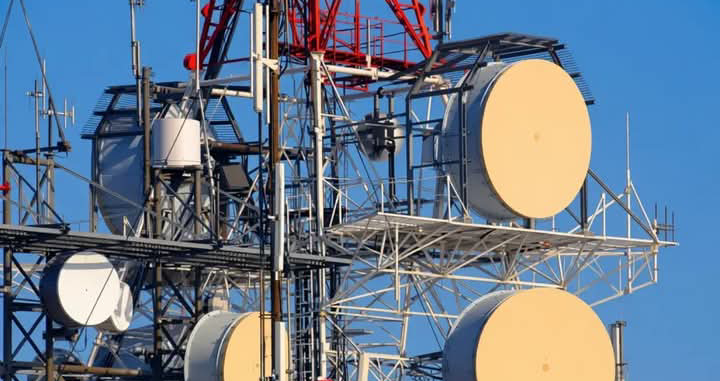
The Nigeria Security and Civil Defence Corps (NSCDC) has issued a strong public safety advisory urging residents of Kano State to avoid taking shelter beneath telecommunication masts during rainstorms and severe weather, warning that such actions could expose individuals to life-threatening risks.
The security agency also called on communities to protect critical telecommunications infrastructure from vandalism and sabotage, emphasizing that communication facilities play a vital role in emergency response, national security, economic activities, and public safety.
The warning comes as Nigeria continues to experience seasonal heavy rainfall, thunderstorms, and strong winds associated with the country’s rainy season. Weather experts have repeatedly cautioned that lightning strikes, structural failures, and falling debris pose significant dangers during extreme weather events.
NSCDC Urges Public to Prioritize Safety
In its public advisory, the NSCDC stressed that telecommunication masts are not designed to serve as safe shelters during storms. Instead, residents should immediately seek refuge inside well-constructed buildings whenever thunderstorms or heavy rains begin.
According to the Corps, standing beneath telecommunications towers during storms significantly increases exposure to hazards such as lightning strikes, collapsing structures, flying objects, and electrical incidents.
The agency advised members of the public to remain indoors until adverse weather conditions subside and to avoid open spaces, isolated trees, electric poles, and telecommunications installations during thunderstorms.
The NSCDC noted that public awareness and adherence to safety guidelines remain essential in reducing avoidable casualties during periods of severe weather.
Protecting Critical National Infrastructure
Beyond the weather warning, the NSCDC reiterated its commitment to safeguarding Nigeria’s Critical National Assets and Infrastructure (CNAI), particularly telecommunications facilities that support millions of Nigerians every day.
Telecommunication infrastructure—including base stations, fibre-optic cables, transmission equipment, generators, and communication towers—forms the backbone of digital connectivity across the country.
The Corps warned against acts of vandalism, theft of equipment, illegal excavation near communication cables, and any activity capable of disrupting telecommunications services.
According to the agency, attacks on telecom infrastructure not only interrupt mobile and internet services but also hinder emergency communications, banking operations, healthcare delivery, education, and business activities.
The NSCDC therefore urged residents to report suspicious activities around telecommunications facilities to the nearest security agencies to help prevent sabotage and ensure uninterrupted communication services.
Telecommunications Infrastructure Is Essential to National Development
Nigeria’s telecommunications sector has become one of the country’s most important drivers of economic growth, supporting digital payments, e-commerce, government services, remote education, healthcare delivery, and millions of jobs.
Industry stakeholders have consistently raised concerns over increasing incidents of vandalism affecting telecom facilities across several states. Such attacks often lead to prolonged network outages, higher maintenance costs, and disruptions to essential services relied upon by businesses and households.
Security agencies have intensified efforts to protect telecommunications infrastructure following the Federal Government’s designation of critical national assets requiring enhanced security protection.
Experts argue that preserving communication infrastructure has become increasingly important as Nigeria advances its digital economy agenda and expands broadband connectivity nationwide.
Rainy Season Increases Public Safety Risks
The NSCDC’s advisory coincides with the peak of Nigeria’s rainy season, a period typically associated with thunderstorms, flooding, strong winds, and lightning.
Safety experts recommend that residents monitor weather updates, avoid unnecessary outdoor activities during storms, disconnect sensitive electrical appliances when lightning is active, and stay away from metallic structures that may conduct electricity.
Parents have also been encouraged to educate children about storm safety, particularly the dangers of playing outdoors or seeking refuge beneath trees, billboards, electricity poles, or telecommunications towers.
Emergency management agencies continue to emphasize that preparedness and public awareness remain among the most effective tools for preventing weather-related injuries and fatalities.
Community Cooperation Key to Infrastructure Protection
The NSCDC appealed for stronger collaboration between citizens, telecommunications companies, traditional leaders, and community-based organizations to protect critical infrastructure across Kano State and the country.
The agency stressed that security is a shared responsibility and encouraged residents to support law enforcement by promptly reporting vandalism, suspicious movements, or attempts to damage communication facilities.
It further noted that protecting telecommunications assets ensures reliable communication during emergencies, disaster response operations, healthcare interventions, and national security activities.
As Nigeria continues to strengthen its digital infrastructure, authorities believe that safeguarding telecommunications installations will remain essential to economic resilience, public safety, and national development.
The NSCDC reaffirmed its commitment to enforcing laws protecting critical national infrastructure while continuing public awareness campaigns aimed at reducing preventable accidents during severe weather conditions.
Residents have therefore been advised to exercise caution during storms, comply with official safety advisories, and avoid actions that may endanger lives or compromise communication infrastructure serving millions of Nigerians.
Sources
- Nigeria Security and Civil Defence Corps (NSCDC)
- Nigerian Communications Commission (NCC)
- Nigerian Meteorological Agency (NiMet)
- Punch Newspapers
- The Nation Nigeria
- Daily Trust
- Premium Times