Reported by Simon yusuph,| Journalist at wengglobal
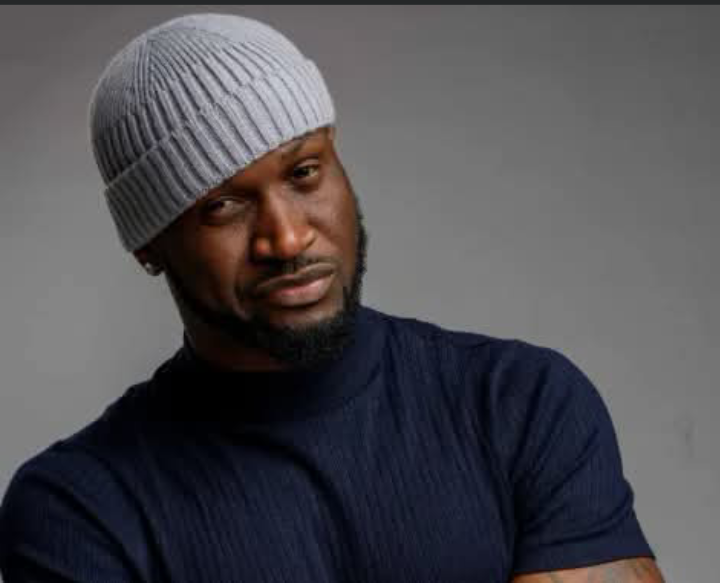
Nigerian music icon Peter Okoye, popularly known as Peter P-Square or Mr P, has publicly apologised following widespread criticism over his recent “Naija language” comment, insisting that his remarks were misunderstood and never intended as an attack on the Igbo language, culture, or identity.
The controversy, which quickly gained traction across Nigerian social media platforms, reignited conversations about language, ethnicity, national identity, and the responsibilities of public figures in a multicultural society. Peter’s subsequent clarification sought to calm tensions by emphasizing his respect for all Nigerian ethnic groups while acknowledging that his choice of words may have caused unintended offence.
Social Media Reaction Sparks National Conversation
The debate began after Peter made comments referring to what he described as the “Naija language,” a phrase that many online users interpreted as diminishing the significance of indigenous Nigerian languages, particularly Igbo.
Within hours, the statement attracted widespread reactions from fans, cultural advocates, language preservation groups, and fellow entertainers. While some defended the singer, arguing that his comments were taken out of context, others maintained that influential personalities should exercise greater caution when discussing issues touching on cultural identity.
The discussion rapidly expanded beyond the original remarks, evolving into a broader national conversation about preserving indigenous languages in an increasingly globalised entertainment industry.
Peter Okoye Issues Public Apology
Responding to the backlash, Peter released a public statement expressing regret over the misunderstanding.
He explained that his intention was never to belittle the Igbo language or any Nigerian culture but rather to highlight the diversity of communication among Nigerians.
Peter acknowledged that language remains deeply connected to people’s heritage and identity, adding that he understood why many people felt offended by his remarks.
According to the singer, he has always been proud of his Igbo roots and has consistently celebrated Nigerian culture throughout his career spanning more than two decades.
“I sincerely apologise to everyone who felt hurt by my comments,” he said in his statement, stressing that unity and mutual respect should always guide national conversations.
Reaffirming Pride in Igbo Heritage
Peter also used the opportunity to reaffirm his appreciation for the Igbo language and culture, describing them as an inseparable part of his identity.
He noted that both he and his family have continuously represented Igbo heritage on global stages through music, philanthropy, and cultural engagement.
The singer rejected claims circulating online suggesting that he had deliberately criticised the Igbo language, saying such interpretations did not reflect his true intentions.
His clarification received mixed reactions, with many supporters applauding his willingness to apologise, while others urged public figures to communicate more carefully on sensitive cultural matters.
Why Indigenous Languages Matter
Nigeria is home to more than 500 indigenous languages, making linguistic diversity one of the country’s greatest cultural strengths.
Experts have long warned that many indigenous languages face increasing pressure from urbanisation, migration, and the dominance of English in education, media, and commerce.
UNESCO has repeatedly encouraged governments and communities worldwide to preserve native languages, describing them as essential vehicles for cultural identity, traditional knowledge, and social cohesion.
In Nigeria, debates surrounding language frequently intersect with questions of ethnicity, inclusion, national unity, and cultural preservation.
For many observers, the reaction to Peter’s comments reflects the emotional significance Nigerians attach to their languages and heritage.
Public Figures and Cultural Responsibility
As one of Africa’s most recognisable music stars, Peter Okoye’s comments naturally attracted significant public attention.
Entertainment analysts note that celebrities wield enormous influence over public discourse, making their words particularly impactful.
While freedom of expression remains a fundamental right, many commentators argue that influential personalities should remain mindful of how audiences from diverse cultural backgrounds may interpret their statements.
Others, however, contend that social media often amplifies misunderstandings, allowing isolated remarks to spread rapidly before adequate context becomes available.
Peter’s swift clarification has therefore been viewed by some observers as an important effort to reduce tensions and encourage constructive dialogue.
Fans Respond to the Apology
Following the apology, reactions across social media remained divided.
Some fans praised Peter for taking responsibility and addressing public concerns directly, describing his response as mature and respectful.
Others argued that the controversy underscored the importance of promoting indigenous languages in mainstream entertainment rather than relying solely on English or Nigerian Pidgin.
Several cultural advocates also used the opportunity to encourage younger Nigerians to learn and preserve their native languages, warning that linguistic heritage should not be lost to modernisation.
Broader Lessons from the Debate
The episode serves as another reminder of the delicate relationship between language, identity, and national unity in a multicultural country like Nigeria.
Although the controversy centred on a single remark, the discussions it generated highlighted broader concerns about cultural preservation, respectful communication, and responsible public engagement.
Peter Okoye’s apology may help ease tensions, but the incident also reinforces the need for continued conversations about celebrating Nigeria’s extraordinary linguistic diversity while fostering mutual understanding among its many ethnic communities.
As Nigeria’s creative industry continues to shape cultural narratives across Africa and beyond, moments like these demonstrate the importance of thoughtful communication and the value of dialogue in strengthening national cohesion.
For many Nigerians, the incident is ultimately less about one celebrity’s words than about ensuring that every language and culture continues to receive the respect and recognition it deserves.
Sources
- The Punch
- Vanguard Nigeria
- Premium Times Nigeria
- Daily Post Nigeria
- Channels Television
- Peter Okoye’s official social media statements