Reported by Simon yusuph,| Journalist at wengglobal
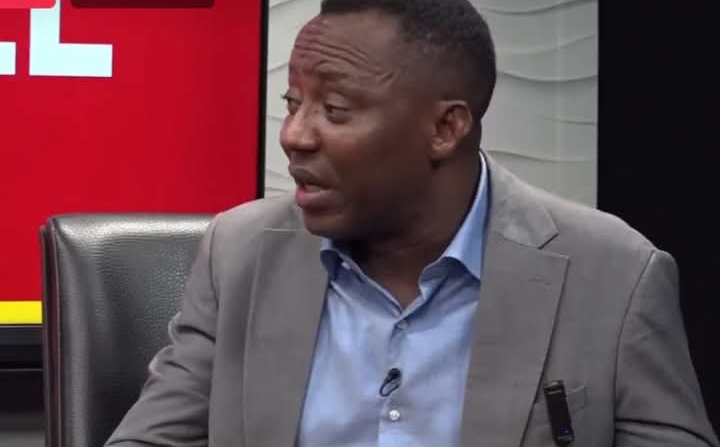
Human rights activist and former presidential candidate Omoyele Sowore has withdrawn his application seeking to subpoena the Director-General of Nigeria’s Department of State Services (DSS) in his ongoing alleged criminal defamation trial, opting instead to call another senior official as a witness as the case progresses before the Federal High Court.
The latest development marks a significant procedural shift in a case that has continued to attract national attention because of its implications for freedom of expression, public accountability, and the administration of justice in Nigeria. Rather than compelling the country’s top intelligence official to appear before the court, Sowore’s legal team informed the court that it would rely on the testimony of another relevant government official considered capable of addressing the issues in dispute.
The decision was announced during the latest sitting of the court, where both the prosecution and defence continued presenting arguments in the criminal defamation proceedings. Although the withdrawal changes the defence’s witness strategy, legal observers note that it does not alter the substantive issues before the court, which remain centered on allegations that Sowore made defamatory statements.
Strategic Shift by the Defence
Court proceedings indicated that the defence reconsidered its earlier application after evaluating the evidential value of other witnesses available to testify. Legal experts say withdrawing a subpoena is not uncommon in criminal proceedings, particularly where counsel believes another witness can provide the necessary evidence more efficiently or where procedural delays may be avoided.
By abandoning the move to compel the DSS Director-General’s appearance, the defence may be seeking to streamline proceedings while maintaining focus on the facts it considers essential to its case.
Lawyers familiar with Nigerian criminal procedure note that courts generally encourage efficient management of trials, especially in matters involving public institutions and senior government officials. Where an alternative witness can adequately address the issues before the court, parties may decide that pursuing compulsory attendance of a high-ranking official is unnecessary.
Background to the Case
Sowore, publisher of Sahara Reporters and a prominent political activist, has remained one of Nigeria’s most outspoken critics of government policies and public institutions. Over the years, his activism has frequently resulted in legal disputes and confrontations with security agencies, including previous arrests and prosecutions.
The current criminal defamation proceedings stem from statements that prosecutors allege damaged the reputation of a complainant. Sowore has consistently denied any wrongdoing, maintaining that his comments fall within the constitutional rights to freedom of expression and public criticism.
The case has generated widespread public interest because it touches on broader debates regarding press freedom, civic activism, accountability, and the limits of protected speech under Nigerian law.
Legal analysts have observed that criminal defamation cases involving journalists, activists, and public commentators often attract heightened scrutiny because of their potential implications for democratic governance and media independence.
Balancing Reputation and Freedom of Expression
Nigeria’s legal framework recognizes both the protection of individual reputation and the constitutional guarantee of freedom of expression. Courts are therefore frequently tasked with balancing these competing rights while ensuring that criminal proceedings comply with constitutional safeguards.
Human rights organizations have repeatedly argued that criminal defamation laws should be applied cautiously to avoid creating a chilling effect on investigative journalism, public-interest reporting, and legitimate criticism of public officials.
Supporters of criminal defamation statutes, however, contend that individuals whose reputations are unlawfully harmed deserve access to legal remedies and that false allegations can undermine public confidence in institutions.
The outcome of Sowore’s case could therefore contribute to ongoing conversations about how Nigerian courts interpret these competing constitutional principles.
Importance of the Witness Decision
Although the withdrawal of the subpoena may appear procedural, legal practitioners say witness selection can significantly influence the direction of a trial.
Compelling the appearance of the DSS Director-General could have raised additional legal and administrative questions regarding official duties, national security considerations, and executive responsibilities. Choosing another official instead may simplify the evidentiary process while allowing the defence to present the information it considers relevant.
The court is expected to continue hearing testimony from witnesses presented by both parties before determining the next phase of the proceedings.
Public Interest and Judicial Independence
The case continues to attract attention from civil society organizations, legal professionals, journalists, and political observers across Nigeria.
Advocates of judicial independence have emphasized that the proceedings should remain free from political influence, with all parties afforded fair hearing in accordance with the Constitution and established legal procedures.
Media freedom organizations have similarly stressed the importance of ensuring that cases involving journalists and activists are handled transparently, while respecting the rule of law and due process.
As one of Nigeria’s most recognizable political activists, Sowore’s legal battles have consistently generated national debate, making developments in the trial closely watched by both supporters and critics.
What Comes Next
Following the withdrawal of the subpoena request, the defence is expected to proceed with its revised witness list as the court continues hearing evidence.
The prosecution will also retain the opportunity to cross-examine defence witnesses before presenting any further arguments where necessary.
Ultimately, the Federal High Court will determine the weight of the evidence presented by both sides before delivering its judgment based on applicable Nigerian law.
For now, the withdrawal of the application to subpoena the DSS Director-General represents a procedural adjustment rather than a resolution of the substantive allegations before the court. The legal issues surrounding alleged criminal defamation remain unresolved, and the proceedings are expected to continue in accordance with the court’s schedule.
The case is likely to remain an important reference point in discussions surrounding freedom of speech, accountability, and the intersection of journalism, activism, and criminal law in Nigeria. As the trial advances, attention will remain focused on how the court balances constitutional rights with statutory protections for reputation, a question that continues to shape legal discourse within the country’s democratic landscape.
Sources
- Premium Times Nigeria
- Punch Newspapers
- Vanguard Nigeria
- TheCable
- Sahara Reporters
- Reuters (background reporting on Omoyele Sowore and previous legal proceedings)