Reported by Simon yusuph,| Journalist at wengglobal
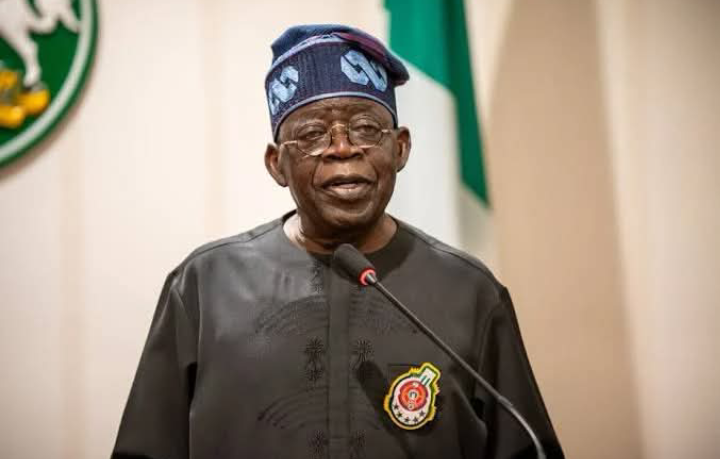
President Bola Ahmed Tinubu has reaffirmed that Nigeria’s economy is gradually regaining stability despite the short-term hardships associated with his administration’s sweeping economic reforms, insisting that the country is laying a solid foundation for sustainable growth, investor confidence, and long-term prosperity.
Speaking during a meeting with a delegation from Deloitte Africa, one of the world’s leading professional services firms, at the Presidential Villa in Abuja, Tinubu acknowledged that the reforms introduced since assuming office have imposed temporary burdens on Nigerians. However, he maintained that the difficult decisions were necessary to reverse years of structural economic distortions and reposition Africa’s largest economy for inclusive development.
According to the President, Nigeria is beginning to witness encouraging signs that the reforms are yielding results, with improving macroeconomic indicators and renewed confidence among both domestic and international investors.
“We have stayed committed to reforms that will secure Nigeria’s future. While there have been adjustment pains, the economy is making measurable progress, and the foundations we are building today will create lasting prosperity,” Tinubu said.
Reform Agenda Focused on Long-Term Economic Stability
Since taking office in May 2023, President Tinubu has introduced a series of ambitious economic reforms aimed at addressing long-standing fiscal challenges.
Among the most significant measures were the removal of the petrol subsidy, the liberalisation of the foreign exchange market, tax reforms, fiscal restructuring, and initiatives designed to increase government revenue while encouraging private-sector investment.
Although these policies initially triggered sharp increases in inflation, transportation costs, and the prices of food and essential commodities, the administration argues that they were unavoidable to prevent deeper economic instability and unsustainable public spending.
Government officials have consistently maintained that subsidy payments had become fiscally unsustainable, consuming resources that could otherwise be invested in infrastructure, healthcare, education, agriculture, and social development.
Tinubu reiterated that difficult reforms often require patience before their full benefits become evident.
According to him, economic transformation is not achieved overnight, but through consistent policy implementation supported by institutional reforms and responsible fiscal management.
Deloitte Africa Commends Nigeria’s Reform Direction
The Deloitte Africa delegation reportedly praised Nigeria’s commitment to economic reforms and acknowledged the government’s efforts to improve the country’s investment environment.
The delegation expressed confidence that consistent implementation of reform policies could strengthen Nigeria’s position as one of Africa’s leading investment destinations.
Deloitte officials also recognised Nigeria’s strategic importance to Africa’s economic future, noting that sustained macroeconomic stability, improved governance, and regulatory certainty would significantly boost investor confidence across multiple sectors.
The firm’s representatives highlighted opportunities for stronger collaboration in digital transformation, tax administration, public financial management, infrastructure financing, energy transition, and private-sector development.
Observers note that international consulting firms such as Deloitte closely monitor economic policy environments, providing advisory services to governments, multinational corporations, investors, and financial institutions. Positive assessments from such organisations are often viewed as signals of improving business confidence.
Investors Monitoring Nigeria’s Economic Recovery
Nigeria remains Africa’s largest economy by gross domestic product (GDP) and one of the continent’s biggest consumer markets. However, the country continues to face multiple economic challenges, including high inflation, unemployment, exchange rate volatility, rising public debt, and insecurity affecting agricultural productivity.
Despite these headwinds, several international financial institutions have acknowledged improvements in Nigeria’s fiscal outlook following the implementation of key reforms.
Economic analysts argue that exchange rate reforms have improved transparency in the foreign exchange market, while the removal of fuel subsidies has reduced pressure on public finances.
At the same time, experts caution that inflation remains one of the most pressing concerns facing Nigerian households, with rising food prices significantly affecting purchasing power.
Many economists believe that sustaining reform momentum while expanding targeted social protection programmes will be critical to ensuring that vulnerable populations benefit from future economic growth.
Balancing Economic Growth with Social Protection
Recognising the hardship experienced by many Nigerians, the Federal Government has introduced several intervention programmes intended to cushion the impact of reforms.
These include cash transfer initiatives, student loan programmes, support for small and medium-sized enterprises (SMEs), agricultural financing schemes, and investments in mass transportation.
The administration has repeatedly stated that these interventions are designed to reduce short-term economic pressures while broader structural reforms begin delivering measurable benefits.
Tinubu reiterated that economic policies must ultimately translate into improved living standards, increased employment opportunities, expanded industrial production, and greater food security.
He stressed that attracting private investment remains central to achieving these objectives.
Nigeria’s Strategic Role in Africa
As Africa continues pursuing deeper regional integration through the African Continental Free Trade Area (AfCFTA), Nigeria’s economic performance carries significant implications beyond its borders.
A stronger Nigerian economy has the potential to stimulate regional trade, manufacturing, financial services, technology innovation, and infrastructure development across West Africa and the continent.
Analysts observe that policy consistency, improved governance, enhanced transparency, and stronger institutions will remain essential for sustaining investor confidence and unlocking Nigeria’s full economic potential.
International partners have increasingly emphasised that reforms should be accompanied by improvements in electricity supply, transport infrastructure, judicial efficiency, regulatory certainty, and human capital development.
These complementary reforms are considered vital to strengthening Nigeria’s competitiveness within Africa and globally.
Economic Outlook
While challenges remain, the Federal Government continues to express confidence that ongoing reforms will gradually stabilise inflation, improve revenue generation, strengthen the naira, and expand opportunities for private-sector-led growth.
Market observers expect continued monitoring of inflation trends, exchange rate stability, fiscal performance, foreign direct investment inflows, and employment data as indicators of the reforms’ long-term effectiveness.
For millions of Nigerians, however, the success of these policies will ultimately be measured by tangible improvements in living standards, affordable food prices, reliable public services, and greater economic opportunities.
As Nigeria navigates one of the most significant economic transitions in its recent history, policymakers, investors, development partners, and citizens alike will be watching closely to determine whether the current reform agenda can deliver the inclusive and sustainable growth envisioned by the Tinubu administration.
Sources
- Presidency of the Federal Republic of Nigeria
- Deloitte Africa
- Reuters
- Bloomberg
- BusinessDay Nigeria
- Premium Times
- TheCable
- Nairametrics