Reported by Simon yusuph,| Journalist at wengglobal
The 2026 FIFA World Cup has delivered far more than dramatic matches and unforgettable moments. Hosted across the United States, Canada, and Mexico, the tournament has rewritten football’s history books with an unprecedented number of records falling throughout the competition.
From Kylian Mbappé’s remarkable rise among football’s greatest goalscorers to the tournament’s exceptional scoring rate, the expanded 48-team World Cup has become one of the most statistically significant editions in FIFA history. Beyond the records, the competition has also demonstrated football’s growing global reach, with emerging nations making deeper runs and fans witnessing one of the most entertaining World Cups in recent decades.
For African football followers and the wider global audience, the tournament has reinforced the game’s evolving landscape, where traditional powerhouses continue to dominate while new contenders increasingly challenge the established order.
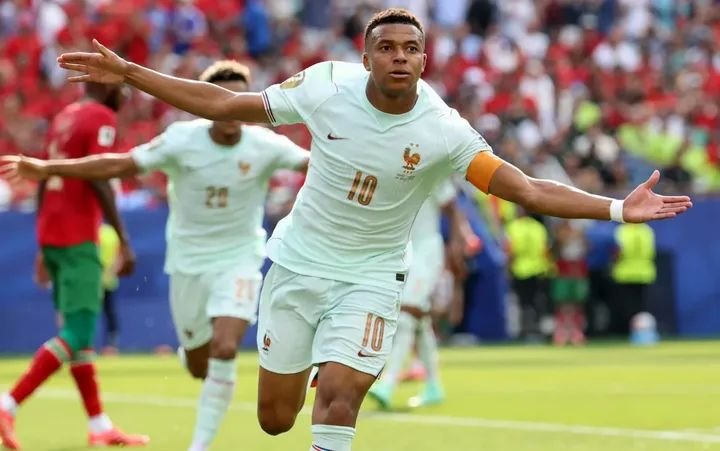
Mbappé Becomes One of the Greatest World Cup Goalscorers
French superstar Kylian Mbappé further cemented his legacy by adding to his remarkable World Cup scoring tally. Already regarded as one of football’s finest players of his generation, the forward continued to deliver on the biggest stage, breaking multiple goalscoring milestones.
His performances strengthened comparisons with legendary World Cup icons such as Miroslav Klose, Ronaldo Nazário, Gerd Müller and Pelé. Mbappé’s consistency across multiple World Cup tournaments has made him one of the most prolific scorers in FIFA history, underlining his ability to perform under immense pressure.
Football analysts have noted that Mbappé’s pace, finishing ability and leadership have transformed him into one of the defining players of modern international football.
Highest Goals-Per-Game Average in Decades
One of the defining characteristics of the 2026 FIFA World Cup was its remarkable attacking football.
The tournament recorded one of the highest goals-per-game averages seen in several decades, reflecting increasingly offensive tactical approaches adopted by national teams.
Managers embraced aggressive pressing systems, fluid attacking formations and quicker transitions, producing high-scoring matches that entertained supporters across the globe.
Several games featured dramatic late winners, multiple-goal comebacks and end-to-end football, helping establish the competition as one of the most exciting editions in recent memory.
Football experts have attributed the increase in goals to tactical evolution, improved player fitness, greater squad depth and the willingness of underdog nations to attack rather than defend conservatively.
Expanded Tournament Creates New History
For the first time, the FIFA World Cup featured 48 participating nations, increasing the number of matches and creating opportunities for more countries to compete on football’s biggest stage.
The expansion allowed several nations to make their tournament debuts while others recorded historic first victories and qualification milestones.
Many football observers believe the larger format has accelerated the global development of the sport by exposing more teams to elite competition.
Although debates continue regarding fixture congestion and tournament length, the expanded format succeeded in delivering greater diversity, broader representation and increased global engagement.
New Attendance Records Highlight Football’s Global Appeal
The 2026 World Cup attracted millions of supporters across host cities in the United States, Canada and Mexico.
Large stadium capacities, modern infrastructure and extensive fan engagement contributed to record-breaking cumulative attendance figures.
Matches consistently attracted sell-out crowds, while fan festivals and public viewing centres drew millions more supporters throughout North America.
Digital audiences also reached unprecedented levels through streaming platforms, social media and international broadcasters, demonstrating football’s unmatched worldwide popularity.
Increased Goal Contributions from Young Stars
The tournament also showcased the next generation of football stars.
Young players from Europe, Africa, Asia and South America delivered outstanding performances, illustrating football’s increasingly competitive global talent pool.
Several emerging players recorded goals, assists and match-winning displays that announced their arrival on the international stage.
African football, in particular, continued to produce technically gifted players capable of competing against the world’s strongest national teams, reinforcing the continent’s growing influence in global football.
Tactical Evolution Defines Modern Football
The 2026 edition highlighted how rapidly international football continues to evolve.
Teams increasingly relied on data analysis, advanced fitness monitoring and positional flexibility.
Goalkeepers became more involved in build-up play, defenders frequently joined attacks, while midfielders operated across multiple tactical roles.
This evolution produced more open contests and increased attacking opportunities, contributing directly to the tournament’s historic scoring statistics.
Football analysts believe the tactical innovations displayed during the competition will influence club football and future international tournaments for years to come.
Technology Continues to Shape the Game
The tournament also demonstrated FIFA’s continued commitment to technological innovation.
Enhanced Video Assistant Referee (VAR) systems, semi-automated offside technology and improved match data analytics helped officials make quicker and more accurate decisions.
While occasional controversies remained, technology significantly improved officiating consistency and transparency throughout the tournament.
The successful integration of these systems has strengthened confidence in football’s ability to balance tradition with innovation.
Africa’s Growing Presence on the World Stage
Although European and South American nations continued to dominate the latter stages of the competition, African teams once again demonstrated their growing competitiveness.
Several African nations produced memorable performances against highly ranked opponents, showcasing tactical discipline, technical quality and increasing squad depth.
Football experts argue that sustained investment in youth development, coaching education and domestic leagues will enable African countries to compete even more consistently for future World Cup honours.
The performances also inspired millions of young footballers across the continent, reinforcing football’s role as a powerful tool for unity, opportunity and national pride.
A Tournament That Will Be Remembered
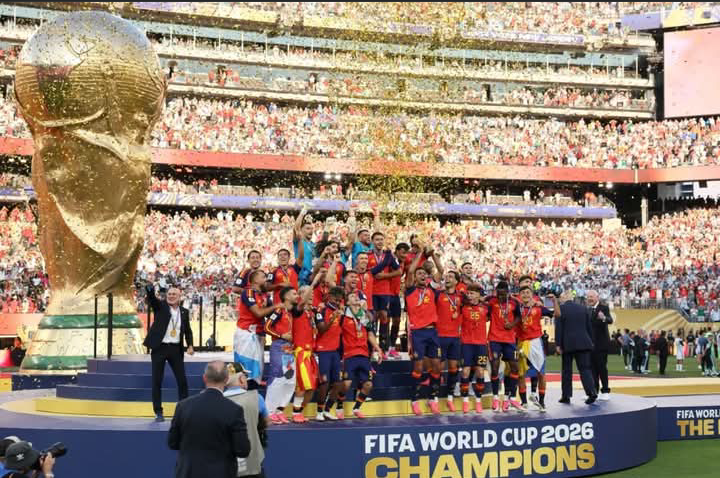
The 2026 FIFA World Cup will be remembered not only for the champions it crowned but also for the extraordinary records it produced.
Historic goalscoring achievements, exceptional attacking football, record attendances, technological advancements and the successful introduction of the expanded 48-team format combined to create one of the most memorable tournaments in FIFA history.
For football supporters across Africa and around the world, the competition highlighted the sport’s enduring ability to inspire, unite communities and continually redefine excellence.
As attention gradually shifts towards the next World Cup cycle, many of the records established during the 2026 tournament are expected to stand for years, serving as benchmarks for future generations of players and nations aspiring to make history on football’s biggest stage.
Records Broken at the 2026 FIFA World Cup
- One of the highest goals-per-game averages recorded in decades.
- Kylian Mbappé extended his place among the greatest World Cup goalscorers in history.
- The first-ever 48-team FIFA World Cup expanded global participation.
- Record cumulative attendance across the United States, Canada and Mexico.
- Increased use of advanced officiating technology, including enhanced VAR and semi-automated offside systems.
- Greater representation and historic achievements by emerging football nations.
Sources
- FIFA
- Reuters
- Associated Press (AP)
- BBC Sport
- ESPN
- Sky Sports
- The Athletic
- Opta Analyst