Reported by Simon yusuph, | Journalist at wengglobal
Nigeria’s ongoing investigation into alleged irregular government financial accounts took a significant turn as the Central Bank of Nigeria (CBN) informed the House of Representatives that the controversial accounts reportedly created for non-existent government agencies on the directive of the Office of the Accountant-General of the Federation (OAGF) contained no funds and were never operational.
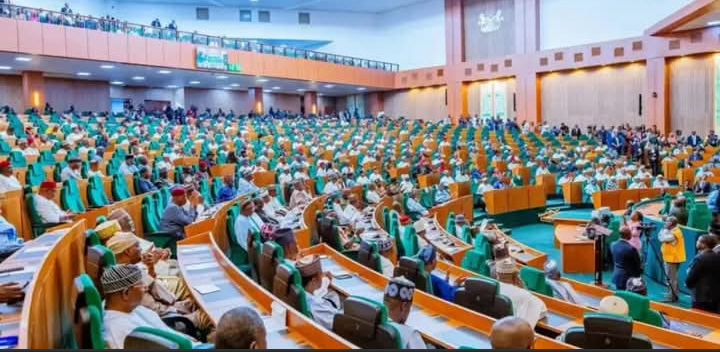
The disclosure was made during the ongoing investigative hearing by the House of Representatives Committee probing the establishment and management of accounts linked to ministries, departments, and agencies (MDAs). The committee is examining allegations surrounding the opening of accounts for agencies that either did not exist or lacked legal backing, raising broader concerns about transparency, accountability, and public financial management within Nigeria’s treasury system.
Speaking before lawmakers, a director from the Central Bank of Nigeria explained that although the accounts were created following requests attributed to the Office of the Accountant-General of the Federation, they remained dormant throughout their existence.
According to the CBN official, the accounts maintained a zero balance, received no deposits, processed no transactions, and were never used for any financial activity before they were eventually identified during internal reviews and subsequent legislative scrutiny.
The testimony provides a crucial clarification in a matter that has generated considerable public interest amid Nigeria’s broader campaign to strengthen fiscal accountability and eliminate loopholes in government financial administration.
CBN clarifies circumstances surrounding the accounts
The House committee sought explanations from the apex bank over how accounts linked to allegedly fictitious agencies came to be opened within Nigeria’s financial system.
Responding to lawmakers’ questions, the CBN representative maintained that the bank acted based on official documentation and directives originating from the Office of the Accountant-General of the Federation, which historically coordinates the financial operations of the Federal Government.
The official stressed that the bank did not independently create the accounts but processed requests submitted through established government procedures.
More importantly, the CBN insisted that none of the questioned accounts received allocations from the Federation Account, budgetary releases, or any other public funds.
As a result, the accounts never became active and posed no immediate financial loss to the government, according to the testimony presented before the committee.
The clarification may help distinguish between procedural concerns surrounding the opening of the accounts and any allegations involving the actual diversion or misuse of public resources.
House committee continues oversight
Despite the CBN’s explanation, members of the House of Representatives committee indicated that their investigation extends beyond whether money passed through the accounts.
Lawmakers are also examining why accounts associated with agencies lacking clear legal existence were established in the first place and whether proper verification procedures were followed before the requests were approved.
The committee is expected to determine whether existing safeguards within Nigeria’s public financial management framework are sufficient to prevent similar occurrences in the future.
Parliamentary oversight remains a central constitutional responsibility of the National Assembly, particularly in matters relating to public expenditure, treasury operations, and financial accountability.
The ongoing hearings are expected to feature additional testimonies from officials of the Office of the Accountant-General of the Federation and other relevant government institutions as investigators seek to establish a comprehensive understanding of the circumstances surrounding the accounts.
Broader implications for public financial management
The issue comes at a time when Nigeria is implementing reforms aimed at improving transparency in the management of public finances.
Over the past decade, the Federal Government has introduced several initiatives designed to strengthen fiscal discipline, including the Treasury Single Account (TSA), which consolidates government revenues and payments into a unified banking structure.
The TSA policy was introduced to reduce revenue leakages, eliminate multiple government bank accounts, improve cash management, and enhance accountability across federal institutions.
The current legislative inquiry therefore raises broader governance questions regarding compliance with established financial procedures, institutional oversight, and documentation standards.
Financial governance experts note that even dormant accounts require proper authorization and documentation because weaknesses in administrative controls can expose public institutions to future risks if left unaddressed.
While the CBN maintains that no financial transactions occurred through the disputed accounts, analysts argue that the circumstances surrounding their creation highlight the importance of stronger inter-agency coordination and stricter verification mechanisms.
Transparency remains essential
Anti-corruption advocates have consistently emphasized that transparency in public financial administration extends beyond preventing financial losses.
Effective governance also requires accurate institutional records, proper authorization procedures, regular audits, and clear accountability among all agencies involved in managing public resources.
The House investigation is therefore expected to examine whether administrative processes within relevant institutions complied with existing laws and financial regulations.
Any recommendations emerging from the inquiry could influence future reforms aimed at strengthening Nigeria’s treasury management system and preventing administrative irregularities.
The committee is expected to present its findings after reviewing testimonies, official documents, and submissions from all agencies connected to the matter.
Public confidence in fiscal institutions
The testimony from the CBN may provide reassurance that no public funds were reportedly diverted through the accounts under investigation. However, lawmakers insist that accountability requires understanding how such accounts were approved and whether institutional safeguards functioned as intended.
Maintaining public confidence in Nigeria’s financial institutions depends not only on preventing financial losses but also on ensuring that every stage of public financial administration complies with legal and regulatory standards.
The outcome of the House investigation may therefore contribute to broader discussions on strengthening institutional governance, improving oversight mechanisms, and reinforcing public trust in government financial systems.
As the hearings continue, stakeholders across Nigeria’s public sector, civil society, and financial institutions will closely monitor developments, particularly any recommendations that could enhance accountability and reduce administrative vulnerabilities within federal financial management.
For Nigeria, where transparency and prudent management of public resources remain central to economic reforms and investor confidence, the investigation represents another important opportunity to reinforce best practices in governance and fiscal responsibility.
Sources:
- House of Representatives Committee investigative proceedings.
- Central Bank of Nigeria (CBN).
- Office of the Accountant-General of the Federation (OAGF).
- Punch Newspapers.
- Premium Times.
- TheCable.
- Channels Television.
- Daily Trust.