Reported by Simon yusuph, | Journalist at wengglobal
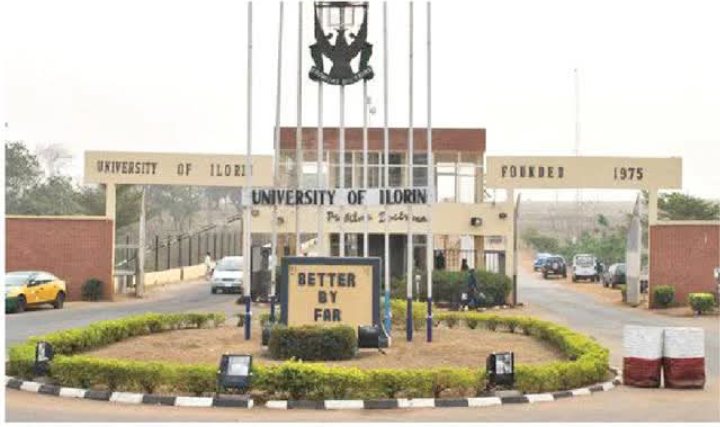
The University of Ilorin (UNILORIN) has reassured its students that the institution remains committed to protecting them from excessive accommodation charges, following concerns over proposed increases in hostel fees. In a move widely welcomed by students and stakeholders, the university disclosed that it rejected a proposal seeking a 100 percent increase in hostel charges, opting instead to approve a more moderate 30 percent adjustment after extensive negotiations with hostel operators.
The decision reflects the university’s efforts to strike a balance between the economic realities confronting private hostel providers and the financial pressures facing students and their families across Nigeria.
According to the university management, the approved adjustment followed a series of consultations involving hostel owners, university officials, and other stakeholders. The discussions were aimed at ensuring that accommodation remains accessible and affordable without compromising the quality and sustainability of hostel services.
UNILORIN emphasized that it recognizes the economic hardship currently affecting many Nigerian households and would not endorse any pricing structure that places an unnecessary burden on students. The institution reiterated that student welfare remains one of its highest priorities.
The university explained that operators of privately managed hostels had sought a significant upward review of accommodation fees, citing rising inflation, increasing electricity tariffs, higher maintenance costs, escalating prices of construction materials, security expenses, and other operational challenges.
However, after reviewing the proposal, the university concluded that a 100 percent increase would be excessive and unjustifiable under prevailing economic conditions. Management therefore entered negotiations with the operators, eventually reaching an agreement that limited the increase to 30 percent.
University officials noted that the outcome demonstrates the institution’s commitment to transparent dialogue and responsible decision-making. They stressed that every effort was made to protect students while also acknowledging the legitimate concerns of accommodation providers struggling with rising operational costs.
The announcement comes at a time when universities across Nigeria continue to grapple with the effects of inflation and the rising cost of delivering essential services. Accommodation fees have become a contentious issue in several tertiary institutions as private hostel operators seek to recover increasing expenses linked to utilities, security, maintenance, and infrastructure.
Nigeria’s inflationary environment has significantly affected virtually every sector of the economy. Rising fuel prices, electricity tariffs, transportation costs, and the depreciation of the naira have collectively increased the cost of operating student hostels. Many landlords argue that maintaining facilities at previous rates has become financially unsustainable.
Despite these realities, student groups have consistently called on university authorities to ensure that accommodation remains affordable. They argue that many families are already struggling with tuition-related expenses, transportation costs, learning materials, and other financial obligations.
By limiting the increase to 30 percent, UNILORIN appears to have adopted a middle-ground approach that seeks to accommodate both student interests and the operational needs of hostel providers.
Education analysts say the university’s intervention could serve as a model for other institutions facing similar disputes over accommodation costs. Rather than allowing market forces alone to determine pricing, UNILORIN chose a negotiated approach that considered the interests of all parties.
The university also assured students that it would continue to monitor hostel operators to ensure compliance with the approved pricing structure. Management indicated that any attempt by operators to impose unauthorized charges beyond the agreed increase would not be tolerated.
Officials further encouraged students to report cases of excessive or illegal charges through the appropriate university channels, reaffirming that complaints would receive prompt attention.
The development underscores the growing importance of regulatory oversight in Nigeria’s higher education accommodation sector, particularly where privately owned hostels operate in partnership with universities.
Student accommodation has become increasingly dependent on private investment as universities struggle with limited on-campus housing capacity. While private participation has expanded accommodation options, it has also raised concerns over affordability and pricing transparency.
Experts believe effective collaboration between university administrations and private hostel operators remains essential to maintaining fair pricing while ensuring that accommodation standards continue to improve.
For many students, hostel accommodation is more than just a place to live. It directly influences academic performance, safety, health, and overall campus experience. Affordable housing allows students to focus on their studies without the added stress of excessive financial demands.
UNILORIN’s decision has therefore been viewed as an important demonstration of institutional responsibility during a period of widespread economic uncertainty.
Parents and education stakeholders are also likely to welcome the move, as accommodation costs constitute a significant portion of annual educational expenses. By preventing a proposed doubling of hostel fees, the university has potentially eased financial pressure on thousands of families.
The institution reaffirmed that its commitment extends beyond regulating accommodation costs. It pledged to continue working with relevant stakeholders to improve student welfare, maintain quality standards in hostel facilities, and ensure that students receive value for the fees they pay.
Observers note that the university’s consultative approach reflects best practices in higher education governance, where policy decisions affecting students are reached through dialogue rather than unilateral action.
As economic conditions continue to evolve, universities across Nigeria may increasingly face similar decisions regarding accommodation pricing. Balancing affordability with sustainable facility management is expected to remain a major challenge for higher education administrators.
Nevertheless, UNILORIN’s handling of the issue demonstrates that constructive engagement between universities, service providers, and students can produce solutions that protect educational access while supporting operational sustainability.
The university’s assurance has provided reassurance to students preparing for the new academic session, reinforcing confidence that management remains attentive to their welfare and committed to shielding them from unjustified financial burdens.
For Nigeria’s higher education sector, the development also highlights the importance of transparent governance, stakeholder consultation, and student-centered policies in navigating the country’s current economic realities.
Sources
- University of Ilorin (UNILORIN) official statements and public communications.
- Daily Trust.
- The Punch.
- Nigerian Tribune.
- Vanguard Nigeria.