Reported by Weng Patrick Atokor | Journalist at Weng Global
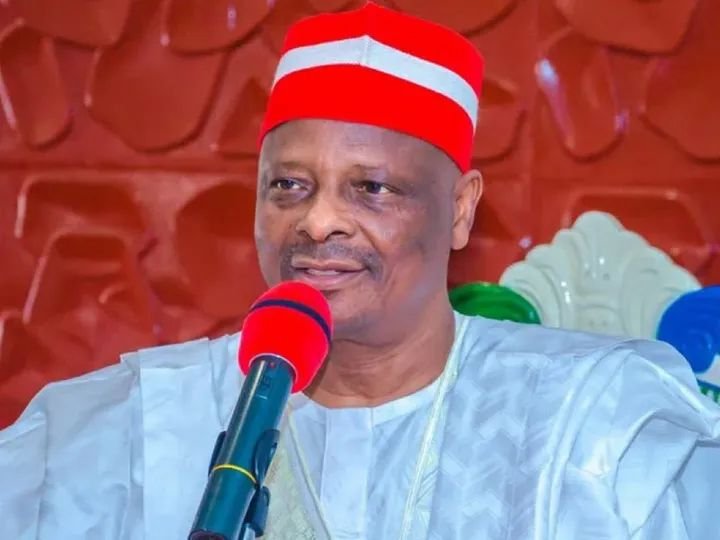
Former Kano State Governor and National Leader of the New Nigeria Peoples Party (NNPP), Rabiu Musa Kwankwaso, has called for renewed political cooperation between Northern Nigeria and the South-East, describing the relationship between the two regions as one rooted in history, mutual support, and shared national aspirations.
Kwankwaso urged Nigerians, particularly political leaders and citizens from both regions, to embrace forgiveness, reconciliation, and dialogue as essential steps toward strengthening national unity ahead of the country’s evolving political landscape.
The former presidential candidate made the remarks while addressing stakeholders during a public engagement, where he reflected on the historical ties between the North and the South-East and emphasized the need to move beyond past political disagreements.
According to him, the South-East has consistently stood as a dependable ally of the North during several defining moments in Nigeria’s political history, making it imperative for both regions to rebuild trust and deepen cooperation.
Call for forgiveness
Kwankwaso stressed that lasting national development cannot be achieved if Nigerians remain divided by political grievances, ethnic differences, or historical misunderstandings.
“We must forgive ourselves,” he said, adding that reconciliation remains the foundation upon which genuine national progress can be built.
He argued that political competition should not permanently damage relationships among Nigeria’s diverse ethnic and regional groups.
The NNPP leader noted that democracy thrives when political actors are willing to engage one another respectfully despite differences in ideology or electoral interests.
According to him, forgiveness should not be interpreted as weakness but rather as a demonstration of maturity and commitment to nation-building.
Historical alliance between North and South-East
Reflecting on Nigeria’s political history, Kwankwaso observed that the North and the South-East have, over several decades, maintained strong political and economic relationships despite periods of tension.
He recalled that many political alliances between leaders from both regions contributed significantly to Nigeria’s democratic evolution and national stability.
The former governor explained that commercial activities have also strengthened the relationship, with millions of Igbo entrepreneurs investing across Northern Nigeria while Northerners have continued to conduct business in the South-East.
He said these longstanding economic and social ties should serve as a reminder that Nigerians have more in common than what divides them.
Kwankwaso maintained that preserving these relationships is essential for national peace and economic growth.
Unity above politics
Speaking on the country’s current political climate, Kwankwaso urged political leaders to prioritize national interest over personal ambitions.
He warned that excessive political polarization could undermine Nigeria’s democratic institutions and weaken public confidence in governance.
According to him, elections should not become reasons for permanent hostility among citizens.
Instead, he encouraged politicians to pursue issue-based politics focused on development, security, education, healthcare, and economic opportunities.
He added that the country’s diversity should be viewed as a strength capable of driving innovation, cultural exchange, and national prosperity.
Need for inclusive leadership
Kwankwaso further advocated for inclusive governance that reflects Nigeria’s ethnic, religious, and regional diversity.
He said every part of the federation deserves equal opportunities in appointments, infrastructure development, education, and economic empowerment.
According to him, feelings of marginalization can only be addressed through fairness, justice, and transparent leadership.
The former governor emphasized that inclusive governance would help reduce political tensions while strengthening citizens’ confidence in democratic institutions.
He also encouraged young Nigerians to reject divisive narratives capable of threatening national cohesion.
Economic cooperation
Beyond politics, Kwankwaso highlighted the importance of strengthening economic partnerships between Northern Nigeria and the South-East.
He noted that both regions depend heavily on one another through agriculture, manufacturing, commerce, transportation, and trade.
According to him, improved collaboration would create jobs, boost investments, and accelerate regional development.
He called on state governments to encourage policies that promote interregional business partnerships and infrastructure projects capable of improving connectivity.
Kwankwaso also stressed the importance of protecting businesses irrespective of the owners’ ethnic or regional backgrounds.
Message to Nigerian youths
Addressing young Nigerians, Kwankwaso urged them to embrace peaceful coexistence and avoid being manipulated into ethnic or religious conflicts.
He said the future of Nigeria depends largely on the ability of its younger generation to build relationships across regional and cultural boundaries.
He encouraged youths to focus on education, entrepreneurship, innovation, and civic participation rather than divisive politics.
According to him, sustainable national development requires collaboration among all Nigerians regardless of their ethnic identities.
Political significance
Political observers believe Kwankwaso’s comments may influence ongoing conversations about coalition building and strategic alliances ahead of future elections.
The remarks have also reignited discussions about the historical political partnership between Northern Nigeria and the South-East, particularly as political actors continue consultations across the country.
Analysts note that appeals for reconciliation and national unity remain significant at a time when many Nigerians are calling for greater inclusion, equitable governance, and reforms that strengthen democratic institutions.
Although political alignments continue to evolve, Kwankwaso’s message underscores the importance of dialogue and mutual respect in maintaining national stability.
National unity remains essential
Nigeria continues to face several challenges, including insecurity, unemployment, inflation, and economic uncertainty.
Many analysts argue that overcoming these issues will require stronger cooperation among political leaders, civil society organizations, traditional institutions, religious leaders, and citizens.
Kwankwaso maintained that unity should remain the country’s greatest strength, insisting that Nigeria’s diversity provides opportunities for growth rather than division.
He urged Nigerians to reject hate speech, intolerance, and ethnic politics, calling instead for reconciliation built on justice, understanding, and shared national purpose.
As discussions about Nigeria’s political future continue, the former Kano governor expressed optimism that the country can achieve greater stability if leaders embrace dialogue, forgiveness, and inclusive governance.
His call for renewed partnership between the North and the South-East adds to growing national conversations on strengthening interregional cooperation and fostering a more united federation capable of addressing its developmental challenges.
Sources: Daily Trust, Vanguard, The Nation, Channels Television.