Reported by Simon yusuph, | Journalist at wengglobal
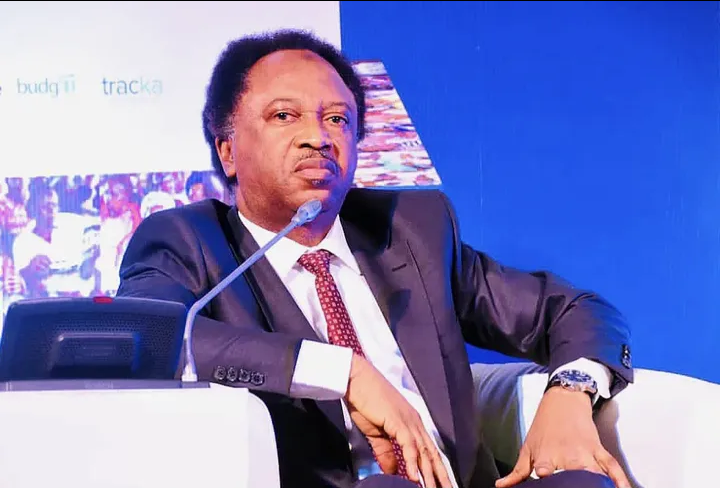
Nigeria’s former federal lawmaker and outspoken public commentator, Shehu Sani, has urged members of the National Assembly to place national interest above political loyalty, warning that history will ultimately judge elected representatives by the courage and integrity they demonstrate while in office.
Sani’s remarks come at a time of heightened political debate across Nigeria, as lawmakers continue to deliberate on key constitutional amendments, governance reforms, security challenges, electoral issues, and economic policies affecting millions of citizens. His comments have resonated across political circles, reigniting discussions about the role of legislators in strengthening Nigeria’s democratic institutions.
Speaking through a public statement shared on his verified social media platforms, the former senator challenged lawmakers to remember that political offices are temporary, but the decisions they make while serving the people will become part of the country’s historical record.
According to Sani, legislators should resist the temptation to prioritize partisan interests or personal political calculations over the constitutional responsibilities entrusted to them by the Nigerian electorate.
A Call for Courage in Public Office
The former Kaduna Central senator stressed that history often celebrates leaders who stood firmly for justice, accountability, and the public good during difficult moments. Conversely, he argued that those who remained silent in the face of critical national issues are often remembered less favorably.
His message encouraged lawmakers to exercise independent judgment when debating legislation, conducting oversight functions, and making decisions capable of shaping Nigeria’s democratic future.
Although Sani did not single out any individual lawmaker or legislative proposal in his comments, political observers believe his message reflects growing public expectations for greater transparency, accountability, and responsiveness from elected representatives.
His appeal also underscores a broader conversation about the responsibilities of democratic institutions in addressing Nigeria’s persistent challenges, including insecurity, inflation, unemployment, constitutional reforms, and governance.
Democracy Demands Independent Thinking
Nigeria’s constitutional democracy places significant responsibilities on members of the National Assembly. Beyond passing laws, legislators are constitutionally mandated to scrutinize executive actions, approve budgets, represent constituents, and ensure accountability through oversight.
Political analysts note that lawmakers frequently face competing pressures from political parties, executive authorities, interest groups, and constituents. In such circumstances, decisions often require balancing party discipline with constitutional obligations.
Sani’s intervention appears to encourage legislators to remain faithful to their oath of office by prioritizing the interests of Nigerians above narrow political considerations.
His comments align with longstanding democratic principles that emphasize separation of powers, institutional independence, and checks and balances as essential safeguards for good governance.
Growing Public Demand for Accountability
Over the years, civil society organizations, governance experts, and ordinary Nigerians have consistently called for increased transparency and accountability within public institutions.
Concerns over legislative independence have periodically surfaced during debates surrounding constitutional amendments, electoral reforms, fiscal oversight, security funding, and anti-corruption measures.
Many governance advocates argue that legislators should evaluate every proposal based on its potential impact on citizens rather than on political alliances or executive preferences.
Sani’s statement therefore reflects a broader public sentiment that elected representatives should be guided primarily by constitutional principles and the long-term interests of the nation.
Shehu Sani’s Political Voice
Shehu Sani remains one of Nigeria’s most recognized political commentators. Before serving in the Senate, he built a reputation as a human rights activist and democracy advocate, frequently speaking on issues relating to governance, accountability, social justice, and constitutional rights.
Since leaving the National Assembly, he has continued to contribute to national discourse through interviews, opinion pieces, and social media commentary, where he regularly addresses political developments and public policy.
His latest remarks continue that tradition, encouraging political leaders to consider how future generations will assess today’s decisions.
Political observers note that statements from former lawmakers often contribute to ongoing democratic conversations by offering perspectives informed by legislative experience.
Leadership Beyond Politics
Across democratic societies, history has often remembered leaders not merely for occupying public office but for the principles they defended during periods of national importance.
Political historians frequently point to legislative decisions as defining moments that shape constitutional development, democratic consolidation, and public trust in government.
Sani’s message echoes this broader understanding by suggesting that public officials should measure success not only by electoral victories but also by the legacy they leave behind.
As Nigeria continues to pursue institutional reforms and economic recovery, debates surrounding legislative responsibility remain central to democratic governance.
National Interest Above Political Loyalty
Observers say one of the recurring challenges in many democracies is maintaining the independence of legislative institutions while preserving healthy cooperation among the three arms of government.
Effective democracies generally depend on legislatures capable of objectively examining proposed laws, approving public spending responsibly, and holding public officials accountable without fear or undue influence.
Sani’s appeal encourages lawmakers to strengthen these democratic principles by demonstrating courage whenever national interest requires difficult decisions.
His comments also reinforce the importance of political leadership rooted in integrity, accountability, and constitutional responsibility.
Implications for Nigeria’s Democratic Future
Nigeria’s democracy has evolved considerably since the country’s return to civilian rule in 1999. Despite notable progress, governance experts continue to advocate stronger institutions capable of responding effectively to citizens’ expectations.
Public confidence in democratic governance often depends on whether elected officials are perceived as acting independently, transparently, and in accordance with the public interest.
Statements such as Sani’s contribute to ongoing national conversations about improving democratic accountability and reinforcing constitutional governance.
While opinions may differ across political divides, many analysts agree that constructive public engagement remains essential to strengthening democratic institutions.
Ultimately, Sani’s central message is that history serves as an enduring record of leadership. Political careers may end, administrations may change, and governments may come and go, but decisions taken in moments of national significance often become defining chapters in a country’s history.
For Nigeria’s lawmakers, the challenge, according to the former senator, is to ensure that those chapters reflect courage, integrity, and unwavering commitment to the people they were elected to serve.
Sources
- Premium Times Nigeria
- The Punch
- Daily Trust
- Vanguard Nigeria
- Channels Television