Reported by Simon yusuph, | Journalist at wengglobal
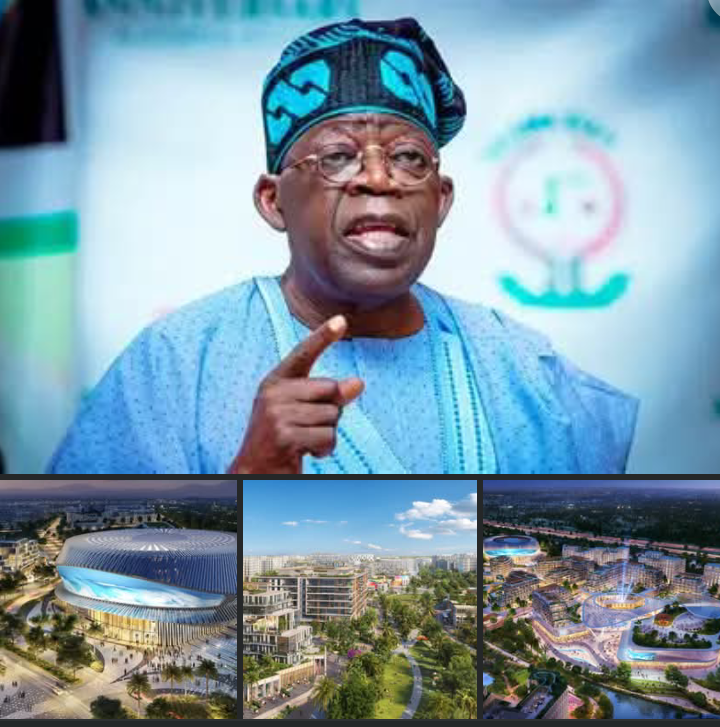
President Bola Ahmed Tinubu is scheduled to officially unveil the ambitious ₦2.4 trillion Abuja City Walk Project on Thursday, marking what government officials describe as one of the most significant urban development initiatives in Nigeria’s history. The large-scale mixed-use project is expected to reshape the Federal Capital Territory (FCT), positioning Abuja as a modern destination for tourism, commerce, technology, entertainment, and international investment.
Spanning approximately 250 hectares, the Abuja City Walk development is designed as a world-class urban district that will integrate residential communities, commercial hubs, hospitality facilities, recreational parks, cultural attractions, and smart-city infrastructure. The project has attracted widespread attention due to its proposed inclusion of Africa’s tallest skyscraper and Nigeria’s largest indoor entertainment and convention complex, both of which are expected to become iconic landmarks upon completion.
Government officials say the initiative aligns with the Tinubu administration’s broader economic agenda of accelerating infrastructure development, attracting private investment, creating employment opportunities, and diversifying Nigeria’s economy beyond oil revenues.
A New Vision for Abuja
According to project promoters, the Abuja City Walk is envisioned as a modern urban destination comparable to internationally recognized mixed-use developments in cities such as Dubai, Singapore, and Kuala Lumpur. The development aims to combine business, lifestyle, tourism, innovation, and leisure within a single integrated district while enhancing Abuja’s reputation as one of Africa’s fastest-growing capitals.
The proposed master plan includes premium office spaces, luxury residential apartments, shopping districts, hotels, restaurants, entertainment centres, museums, cultural venues, landscaped public parks, pedestrian-friendly streets, and advanced digital infrastructure designed to support smart-city services.
Officials say the district will prioritize sustainability through environmentally friendly building standards, efficient energy systems, green transportation options, and extensive public spaces intended to improve the quality of urban life.
Africa’s Tallest Tower Planned
Perhaps the project’s most striking feature is the proposed construction of Africa’s tallest tower, which developers believe will become a defining architectural symbol for Nigeria.
Although detailed engineering specifications have yet to be fully disclosed, preliminary information indicates that the skyscraper will house premium office facilities, luxury hospitality services, observation decks, commercial spaces, and entertainment attractions capable of drawing both domestic and international visitors.
If completed as proposed, the tower would surpass existing skyscrapers across the continent and potentially become one of Africa’s most recognizable landmarks.
Largest Indoor Entertainment Complex
Another major attraction within the Abuja City Walk is the planned development of Nigeria’s largest indoor entertainment and convention facility.
The complex is expected to host international conferences, exhibitions, concerts, sporting events, trade fairs, technology expos, and cultural festivals. Industry analysts believe such infrastructure could significantly strengthen Nigeria’s position as a preferred destination for Meetings, Incentives, Conferences, and Exhibitions (MICE), a rapidly growing segment of global tourism.
Experts argue that expanding convention and entertainment infrastructure could generate increased foreign exchange earnings while supporting businesses in hospitality, transportation, retail, aviation, and tourism.
Economic Impact and Job Creation
The Federal Government believes the Abuja City Walk project could become a major driver of economic growth by attracting billions of naira in private investment during both construction and operational phases.
Large infrastructure developments typically generate employment across numerous sectors, including construction, engineering, architecture, information technology, logistics, hospitality, security, maintenance, and retail.
Government officials also expect the project to stimulate increased demand for locally produced construction materials, professional services, manufacturing, transportation, and small businesses operating around the development.
Urban economists note that mixed-use developments of this scale often create long-term economic ecosystems extending well beyond the immediate project site, contributing to higher property values, increased tax revenues, and expanded commercial activity.
Public-Private Partnership Model
The Abuja City Walk project is expected to rely heavily on private sector participation through a Public-Private Partnership (PPP) framework.
Such financing arrangements have become increasingly important in Nigeria as governments seek alternative funding mechanisms for major infrastructure projects while reducing pressure on public finances.
PPP models allow governments to collaborate with private investors in financing, constructing, operating, and maintaining large-scale infrastructure, with risks and responsibilities shared between both parties.
Analysts say successful implementation will depend on transparent procurement processes, effective regulation, sound financial planning, and sustained investor confidence.
Opportunities for Tourism and Investment
Tourism experts believe Abuja City Walk could strengthen Nigeria’s competitiveness within Africa’s growing tourism market.
Beyond creating a new destination for visitors, the project could encourage international hotel brands, multinational corporations, entertainment companies, technology firms, and retail investors to establish a stronger presence in Nigeria.
The combination of luxury accommodation, conference facilities, cultural attractions, shopping districts, and public spaces is expected to increase visitor spending while supporting broader economic diversification efforts.
Supporters argue that iconic urban developments often become powerful national branding tools capable of improving international perceptions and attracting long-term investment.
Questions Over Cost and Implementation
Despite widespread interest, the project’s estimated ₦2.4 trillion price tag has generated public discussion regarding financing, affordability, and implementation timelines.
Infrastructure experts have stressed the importance of ensuring transparency throughout procurement, land allocation, environmental assessments, and financial disclosures.
Analysts also emphasize that large urban projects require careful planning to avoid cost overruns, construction delays, or sustainability challenges.
Civil society organisations have called for regular public updates regarding project milestones, funding arrangements, environmental compliance, and expected socio-economic returns.
Abuja’s Expanding Urban Landscape
The unveiling comes as Abuja continues experiencing rapid population growth, increased commercial activity, and expanding infrastructure development.
Over the past decade, the Federal Capital Territory has witnessed significant investments in road networks, rail transport, housing, healthcare facilities, educational institutions, and public utilities aimed at accommodating its growing population.
Urban planners argue that integrated developments like Abuja City Walk could help address future infrastructure needs while creating modern spaces that support business innovation, tourism, and improved quality of life.
Looking Ahead
President Tinubu’s formal unveiling of the Abuja City Walk project represents more than the launch of another infrastructure initiative. It signals the Federal Government’s intention to position Abuja as a globally competitive capital capable of attracting investment, innovation, tourism, and international business.
Whether the ambitious vision is fully realised will depend on sustained political commitment, transparent governance, effective project management, adequate financing, and successful collaboration between government and private investors.
If executed according to plan, the Abuja City Walk could become one of Africa’s most transformative urban developments—reshaping Nigeria’s capital while contributing to economic diversification, job creation, and long-term national development.
Sources
- The Punch
- Daily Trust
- Premium Times Nigeria
- Vanguard Nigeria
- Leadership Newspaper
- Federal Capital Territory Administration (FCTA)
- Presidency of the Federal Republic of Nigeria