Reported by Weng Patrick Atokor l Journalist at Weng Global
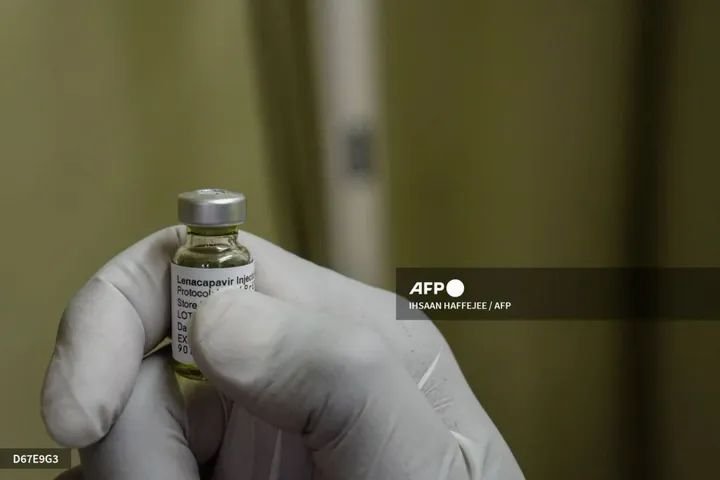
Africa has taken a significant step towards expanding access to affordable HIV prevention after the first shipments of a cheaper generic version of lenacapavir, a twice-yearly injectable medicine, arrived in Zambia, with Uganda expected to receive deliveries in the coming days.
The generic drug is expected to cost approximately $40 per person annually, a substantial reduction that could make one of the most promising HIV prevention technologies more accessible to people in low- and middle-income countries.
The development, announced by the Global Fund to Fight AIDS, Tuberculosis and Malaria, marks an important milestone in international efforts to reduce new HIV infections, particularly across sub-Saharan Africa, where the disease continues to place considerable pressure on public health systems.
The first deliveries reached Zambia on Wednesday, November 25, 2026. The medicines are expected to become available for use within approximately three weeks, following the necessary clearance procedures.
Another shipment is expected to arrive in Uganda in the coming days, while Zimbabwe is scheduled to receive its first generic supplies in early 2027.
The arrival of generic lenacapavir introduces a more affordable alternative to the original branded product developed by US pharmaceutical company Gilead Sciences and could help address supply limitations that have affected access to the new prevention technology.
Lenacapavir Offers HIV Protection Through Two Injections a Year
Lenacapavir is a long-acting injectable form of pre-exposure prophylaxis, commonly known as PrEP, designed to prevent HIV infection in people who are HIV-negative.
Unlike conventional oral PrEP medicines, which generally require daily use, lenacapavir is administered through an injection every six months.
Clinical trials have demonstrated exceptionally high effectiveness in preventing HIV infection, making the medicine one of the most significant recent developments in HIV prevention.
Its twice-yearly administration could also help address some of the challenges associated with daily medication, including adherence difficulties, privacy concerns and inconsistent access to health facilities.
For people who find it difficult to maintain a daily prevention routine, a long-acting injection could offer a more convenient option.
However, lenacapavir is a prevention medicine, not a cure for HIV. It does not replace HIV testing, medical supervision or other recommended prevention measures.
The medicine is intended for people who are HIV-negative and must be used according to appropriate clinical guidelines.
Generic Version Expected to Cost $40 Per Person Annually
One of the most important aspects of the development is the expected reduction in the cost of accessing lenacapavir.
Under an agreement involving generic manufacturers and international health partners, the version developed by India’s Dr. Reddy’s Laboratories is expected to be supplied at approximately $40 per person annually across 120 eligible low- and middle-income countries.
The annual cost covers two injections administered six months apart.
The pricing arrangement is intended to make the medicine more accessible in countries where the cost of innovative pharmaceutical products has traditionally limited availability.
According to the Clinton Health Access Initiative, the $40 annual price was established through an agreement supported by Unitaid, Wits RHI and other partners to accelerate the development and availability of generic lenacapavir.
The generic product received approval from the United States Food and Drug Administration (FDA) earlier in November 2026, creating an important regulatory milestone for its wider international distribution.
However, the approval does not mean the generic medicine can automatically be sold in every country. National regulatory requirements, procurement arrangements and distribution procedures will determine when it becomes available in individual markets.
The generic version also cannot be marketed in the United States because of existing patent protection covering Gilead’s branded product.
Zambia Becomes First Recipient of the Generic Shipments
Zambia has emerged as the first country to receive the initial international deliveries of generic lenacapavir under the latest supply arrangement coordinated by the Global Fund.
The organisation confirmed on November 25 that the first generic shipments had arrived in the country.
The medicines must undergo the necessary clearance procedures before distribution and administration can begin. The initial supplies are expected to enter use within approximately three weeks.
The development builds on Zambia’s earlier introduction of the original branded version of lenacapavir.
According to UNAIDS, Zambia received its first stock of the original long-acting HIV prevention medicine at the University Teaching Hospital in Lusaka on September 1, 2026.
The generic shipments therefore represent a further expansion of the country’s access to the technology, rather than the first-ever introduction of lenacapavir in Zambia.
Uganda is expected to become another early recipient of the cheaper generic product, with deliveries anticipated in the coming days.
Uganda had already begun introducing the branded version of the medicine through its HIV prevention programmes.
Meanwhile, Zimbabwe is expected to receive generic supplies in early 2027, as international partners work towards expanding distribution across additional countries.
Global Fund Targets Three Million People by 2028
The latest deliveries form part of a broader international initiative to make long-acting HIV prevention medicines available to millions of people.
The Global Fund, working alongside the United States government, has set an ambition to reach at least three million people with lenacapavir by the end of 2028.
According to the organisation, more than 189,000 people across 10 early-adopter countries had received their first dose of lenacapavir as of November 2026.
A further expansion is expected, with 24 countries projected to have received the medicine by the end of 2026.
The Global Fund also plans to deliver four times the volume of lenacapavir supplied in 2026 during 2027.
Generic production is expected to play an increasingly important role in achieving that target by increasing available supply and reducing procurement costs.
The organisation said substantial shipments of generic lenacapavir to additional countries are expected during the first quarter of 2027.
The programme is supported by several international partners, including the US government, the Gates Foundation, Unitaid and the Children’s Investment Fund Foundation.
These partnerships have helped facilitate manufacturing arrangements, financing, regulatory support and the distribution of the medicine.
Pharmaceutical Partnerships Drive Generic Production
The availability of generic lenacapavir follows licensing agreements established by Gilead Sciences with six generic pharmaceutical manufacturers.
The agreements allow the selected manufacturers to produce and supply generic versions of the medicine to eligible countries across sub-Saharan Africa, Asia and Latin America.
The arrangements are intended to expand production beyond the capacity of the original manufacturer and improve access in countries where HIV prevention remains a major public health priority.
Apart from Dr. Reddy’s Laboratories, India’s pharmaceutical company Hetero has also begun shipments of generic lenacapavir to African countries.
Reuters reported on November 26 that Hetero had started shipments to Zambia, Uganda and Zimbabwe, with plans to supply 300,000 vials.
The company’s distribution plans form part of wider efforts to increase the availability of the medicine as additional countries prepare to introduce it.
The involvement of multiple manufacturers could help diversify supply, although the speed of distribution will depend on manufacturing capacity, regulatory approvals, financing and national procurement systems.
The development also demonstrates how cooperation between pharmaceutical companies, governments and international health organisations can accelerate access to important medical innovations.
Why the Development Matters for Africa’s HIV Response
The arrival of cheaper generic lenacapavir could have important implications for Africa, where HIV prevention remains a major public health priority.
The World Health Organization (WHO) has recommended lenacapavir as an additional HIV prevention option, recognising its potential to strengthen existing prevention programmes.
For many African countries, expanding access to effective prevention medicines is particularly important because healthcare systems face challenges involving funding, medicine availability, staffing and access to health facilities.
The introduction of a twice-yearly injection could help reduce some of the practical difficulties associated with daily oral prevention medication.
It may also provide an additional option for people who experience difficulties maintaining daily PrEP routines or who prefer a longer-acting prevention method.
The affordability of the generic version is particularly significant.
At approximately $40 annually, the medicine could become more accessible to public health programmes operating with limited resources, provided sufficient supplies and sustainable funding are available.
However, the expected price does not automatically guarantee universal access. Governments will still need to establish distribution systems, train healthcare workers, provide appropriate testing and ensure that eligible individuals can obtain the injections.
The development could also strengthen efforts to reach populations disproportionately affected by HIV, including adolescent girls and young women in parts of sub-Saharan Africa.
According to UNAIDS, Zambia recorded approximately 23,000 new HIV infections in 2025, with young people accounting for a significant proportion of new infections.
The organisation has highlighted the importance of making long-acting prevention options accessible to populations facing increased vulnerability.
The Injection Does Not Replace Other HIV Prevention Measures
Despite its high effectiveness, lenacapavir should not be treated as a complete replacement for comprehensive HIV prevention services.
Medical professionals must confirm an individual’s HIV-negative status before the medicine is administered and follow appropriate testing and monitoring procedures.
The injection prevents HIV infection when used correctly but does not protect against other sexually transmitted infections or unwanted pregnancies.
Consequently, other prevention measures, including condoms, regular testing, appropriate counselling and access to healthcare services, remain important.
Healthcare authorities must also ensure that people receiving the injection understand the importance of attending follow-up appointments and maintaining the recommended six-month administration schedule.
Another consideration is the availability of the medicine.
Although generic production is expected to improve supply, demand for lenacapavir has already exceeded available supplies in some settings.
Tenu Avafia, deputy executive director of Unitaid, said the arrival of generic versions represented a major step towards making the prevention option more widely available and affordable in low- and middle-income countries.
The challenge for governments and international partners will therefore be ensuring that increased production translates into reliable access for the people who need it.
What Happens Next?
The immediate priority is completing the clearance and distribution processes for the first generic shipments in Zambia and ensuring that the medicines reach eligible patients.
Uganda is expected to receive its deliveries shortly, while Zimbabwe is scheduled to receive supplies in early 2027.
International partners are also preparing additional shipments to other eligible countries, with significant expansion expected during the first quarter of 2027.
The Global Fund and the United States government will continue working towards their target of reaching at least three million people with lenacapavir by the end of 2028.
For African governments, the next stage will involve integrating the medicine into national HIV prevention strategies, strengthening healthcare delivery systems and ensuring that affordability is matched by accessibility.
The arrival of generic lenacapavir represents an important development in the global HIV response. However, its long-term impact will depend on whether governments and their partners can move beyond initial shipments to establish sustainable and equitable access.
For millions of people across Africa, the prospect of receiving effective HIV protection through just two injections a year could mark a significant change in how prevention services are delivered.
The challenge now is to ensure that this medical innovation reaches communities that stand to benefit most.
Weng Global – Stories beyond borders
Sources
- The Global Fund – First Deliveries of Generic Lenacapavir for HIV Prevention Arrive in Countries (November 25, 2026).
- Reuters – First Generic HIV Drug Shipments Arrive in Africa (November 25, 2026).
- Reuters – India’s Hetero Begins Shipments of Generic HIV Prevention Drug to Africa (November 26, 2026).
- UNAIDS – Zambia’s Rollout of Lenacapavir to Prevent New HIV Infections.
- Clinton Health Access Initiative – FDA Approves First Generic Injectable Lenacapavir for HIV Prevention (November 2, 2026).
- Euronews – Cheaper Generic HIV Prevention Drug Arrives in Zambia (November 26, 2026).