Reported by Simon Daniel Yusuph l Journalist at Weng Global
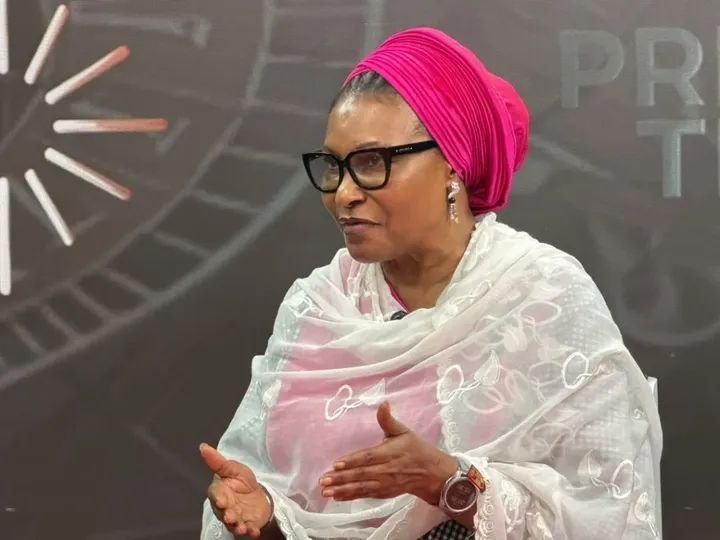
The National Chairman of the Social Democratic Party (SDP), Professor Sadiq Umar Abubakar Gombe, has called on the Nigeria Police Force and other security agencies to provide equal protection to all political parties ahead of the 2027 general elections, warning that perceived partiality could weaken public confidence in the electoral process.
Gombe made the appeal on Tuesday, November 24, 2026, during a high-level stakeholders’ meeting on political violence and security during political activities, organised by the Nigeria Police Force at its headquarters in Abuja.
The meeting, attended by the Inspector-General of Police, Olatunji Rilwan Disu, the Chairman of the Independent National Electoral Commission (INEC), Professor Joash Amupitan, and representatives of political parties, focused on measures to prevent violence and improve security ahead of the next general elections.
The SDP chairman urged the police to treat all registered political parties fairly, regardless of their political influence or whether they occupy positions in government.
He also called for the identification and appropriate punishment of individuals responsible for political violence, stressing the importance of accountability in building trust in security institutions.
SDP Seeks Impartial Security Arrangements
Gombe’s demand comes amid growing discussions about the responsibility of security agencies to remain neutral during political activities.
His position reflects concerns that unequal treatment of political parties could create suspicion, discourage participation and undermine confidence in the institutions responsible for protecting the electoral process.
For the SDP, equal police protection should extend to political meetings, campaign rallies, party offices, candidates, supporters and other lawful political activities.
The chairman’s appeal also places emphasis on the need for security agencies to respond to complaints without considering the political identity or influence of those involved.
The police are expected to protect public safety and enforce the law impartially. Their conduct during election-related activities can influence whether political parties and voters believe they can participate without intimidation.
Gombe’s call therefore highlights the importance of not only preventing political violence but also ensuring that security responses are seen to be fair and consistent.
Police Warn Politicians Against Sponsoring Violence
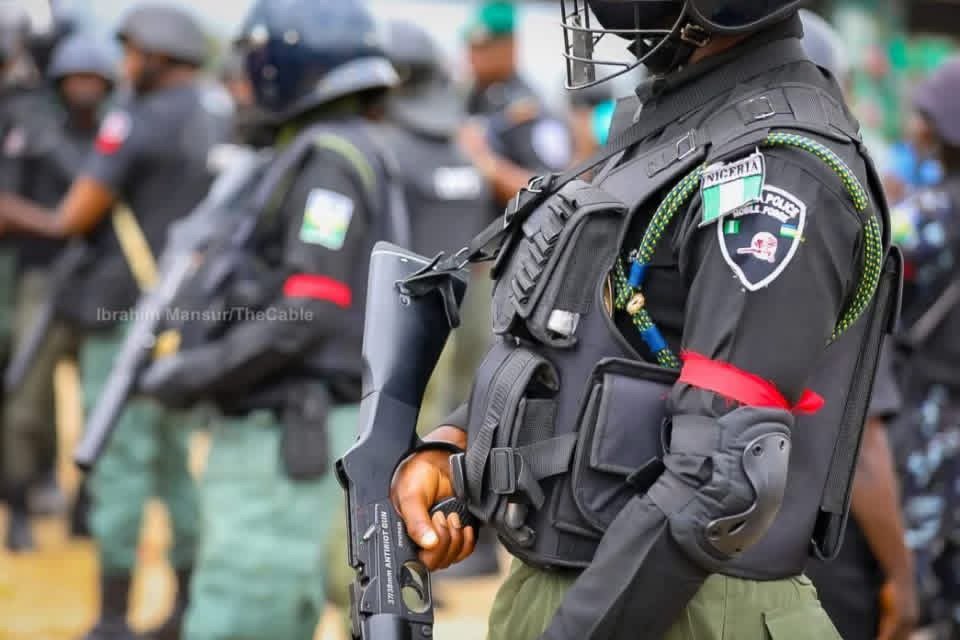
At the meeting, Inspector-General of Police Olatunji Disu warned politicians and other individuals against sponsoring, financing or directing acts of political violence ahead of the 2027 elections.
Disu said the Nigeria Police Force would not tolerate political thuggery, intimidation, assault, the use of offensive weapons or attacks on lawful political gatherings.
He warned that individuals who finance or organise violence would be held accountable alongside those who directly carry out attacks.
The police chief also stressed that the Force must remain neutral in the political process, explaining that its responsibility is to the Constitution, the law and Nigerians rather than any political party or individual.
His position is particularly relevant as political parties begin preparations for campaigns, mobilisation and other activities ahead of the elections.
Political violence can involve more than physical confrontations between supporters. It may also include attacks on campaign venues, disruption of lawful gatherings, threats against candidates and intimidation of voters.
The police leadership has consequently called on party leaders to take responsibility for the conduct of their candidates and supporters.
INEC Chairman Also Calls for Political Neutrality
INEC Chairman Professor Joash Amupitan also addressed the meeting, warning political parties against turning the 2027 elections into a battlefield.
Amupitan said political violence, attacks on electoral facilities and intimidation of political opponents could discourage citizens from participating in the democratic process.
He called on security agencies to maintain professionalism and impartiality while protecting electoral personnel, political participants and members of the public.
The INEC chairman also urged stronger cooperation between the electoral commission, police and other security agencies to identify potential threats and respond to incidents before they escalate.
He emphasised that credible elections require more than the successful conduct of voting and counting. The entire process must allow political parties and citizens to participate without fear or unlawful interference.
Amupitan further called for the identification of individuals responsible for electoral violence and appropriate action against those found culpable.
ADC Also Calls for Police Neutrality
The National Secretary of the African Democratic Congress (ADC), Rauf Aregbesola, also called for absolute police neutrality ahead of the 2027 general elections.
Aregbesola expressed concerns about the handling of suspects reportedly arrested over incidents of political violence during the last governorship election in Osun State.
He questioned the progress of prosecutions involving those suspects, arguing that accountability was necessary to discourage future violations.
His remarks added to the broader discussion about the need for security agencies to investigate reported electoral offences and ensure that cases are handled through appropriate legal procedures.
The concerns raised by the ADC representative also underline the distinction between announcing arrests and securing successful prosecutions. Public confidence requires transparent investigations and clear information about the status of cases.
Political Parties Sign Peace Accord
The stakeholders’ meeting concluded with political party leaders signing a peace accord alongside the INEC chairman and the Inspector-General of Police.
The agreement was intended to reinforce commitments to peaceful political participation and discourage conduct capable of disrupting the 2027 electoral process.
The accord places responsibility on political parties and their supporters to respect the law, avoid intimidation and resolve political disagreements through lawful channels.
However, the effectiveness of such agreements will depend on whether the commitments are reflected in the conduct of political actors and the actions of security institutions.
A peace accord cannot independently prevent violence without consistent enforcement, credible investigations and accountability for those responsible for violations.
Why Equal Police Protection Matters
The demand for equal police protection touches on one of the central requirements of democratic elections: the freedom of political participation.
In a competitive electoral environment, political parties must be able to organise meetings, present candidates, communicate their programmes and mobilise supporters without facing unlawful threats.
Where security arrangements appear to favour one political group over another, confidence in the neutrality of public institutions may decline.
Such perceptions can also deepen political divisions, particularly when complaints are not investigated transparently or when similar incidents appear to receive different responses.
For Nigeria, the challenge ahead of 2027 is to ensure that security agencies protect lawful political activities while taking firm action against individuals who threaten public peace.
Equal treatment does not mean ignoring differences in security risks. It means that protection and enforcement should be guided by the law, credible threat assessments and professional judgment rather than political affiliation.
The police must also ensure that complaints from opposition parties, governing parties and independent political actors receive appropriate attention.
The Responsibility of Political Parties
Although Gombe directed his appeal towards the police and other security agencies, political parties also have responsibilities in preventing electoral violence.
Party leaders influence the conduct of their candidates, campaign officials and supporters. They are expected to discourage threats, hate speech, intimidation and the use of violence to gain political advantage.
Political organisations must also ensure that disputes arising from nominations, campaigns and election results are addressed through established legal and institutional processes.
The police, meanwhile, must investigate credible complaints without discrimination and communicate their actions transparently.
INEC’s responsibility includes administering the elections and working with security agencies to protect the electoral process.
These responsibilities are connected. A peaceful election requires cooperation rather than placing the entire burden on one institution.
What Happens Next?
The police, INEC and political parties are expected to continue their engagement on security arrangements as preparations for the 2027 general elections progress.
The peace accord signed at the Abuja meeting provides a framework for cooperation, but its impact will depend on practical implementation.
Security agencies will face the task of protecting political gatherings, responding to threats, investigating reported offences and maintaining impartiality throughout the election period.
Political parties will also be expected to demonstrate their commitment to peaceful competition through the conduct of their leaders and supporters.
For the SDP, Gombe’s central demand is that every political party should receive equal protection under the law.
As Nigeria moves towards the 2027 elections, the conduct of the police and other public institutions will remain important to public confidence in the electoral process.
Weng Global – stories beyond borders
Sources
- Tribune Online – Reporting on the November 24, 2026, high-level security meeting and statements by political party leaders.
- TVC News – Reporting on the Inspector-General of Police’s warning against political violence and the stakeholders’ meeting.
- The Nation – Reporting on INEC Chairman Joash Amupitan’s concerns about political violence ahead of the 2027 elections.