Reported by Simon Daniel Yusuph l Journalist at Weng Global
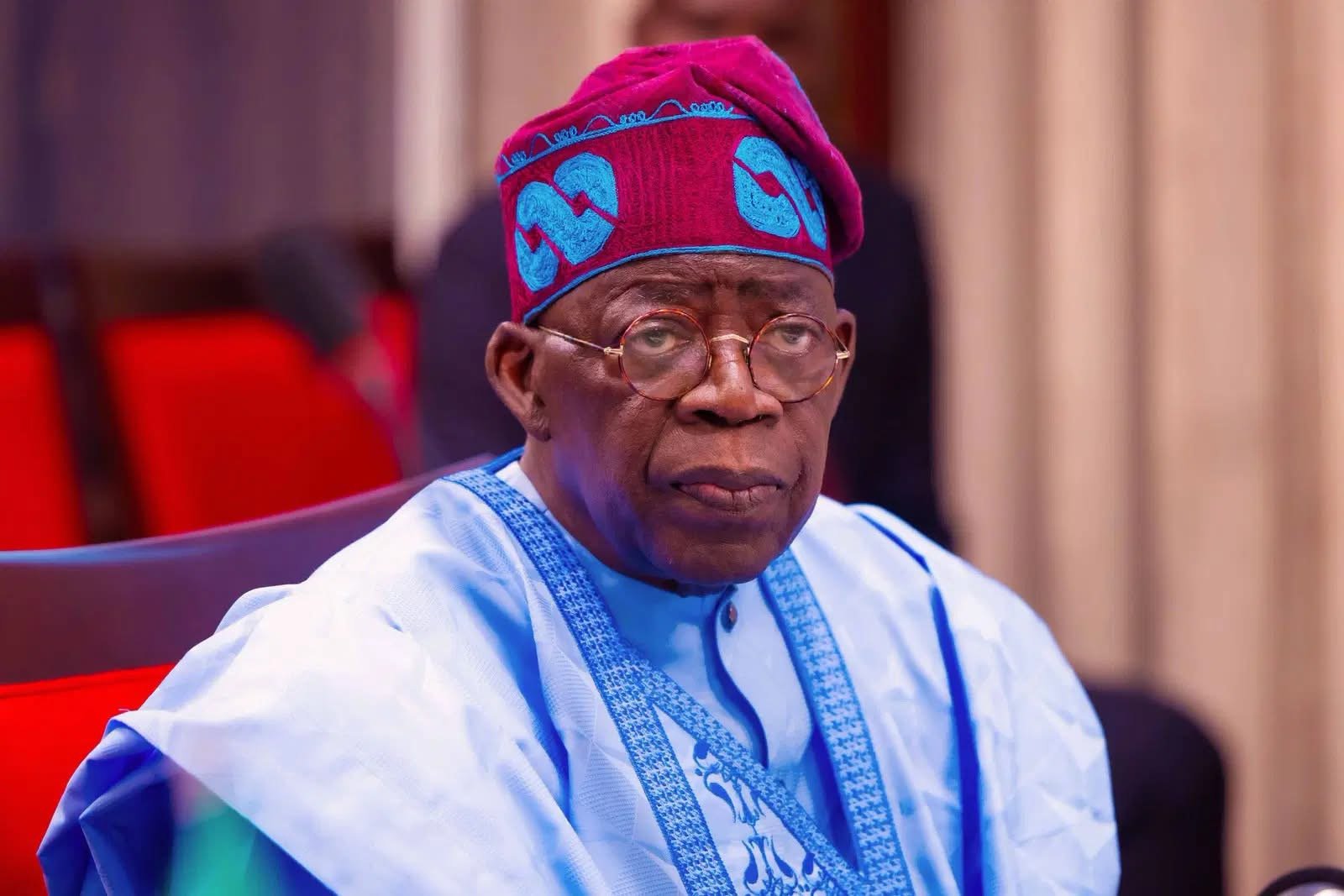
The City Boy Movement has intensified its mobilisation efforts in Anambra State, urging residents to support President Bola Ahmed Tinubu’s bid for a second term in the 2027 presidential election.
The pro-Tinubu support group held a town hall meeting and membership drive at the Prof. Dora Akunyili Women Development Centre in Awka, where speakers focused on the relationship between Anambra State and the Federal Government and the potential political and developmental implications of the 2027 election.
The gathering brought together leaders of the movement, government officials, youths and other stakeholders as the organisation seeks to expand its grassroots structure in the South-East.
The development comes amid increasing political activity ahead of the 2027 general elections, with support groups aligned with different political interests stepping up mobilisation across Nigeria.
City Boy Movement Makes Case for Federal Cooperation
The meeting was organised around the question, “Can Anambra Afford to Be Disconnected from the Centre?”, with speakers arguing that stronger engagement between Anambra and the Federal Government could create opportunities for infrastructure, investment and other development initiatives.
The Secretary to the Anambra State Government, Chiamaka Nnake, who delivered the keynote address, urged residents to consider the relationship between the state and the Federal Government when making political decisions.
Nnake argued that continued cooperation with the Federal Government could help the state attract further development and consolidate projects and initiatives.
According to reports from the event, she described the issue as extending beyond party politics, pointing to its potential impact on businesses, jobs, markets and the future of young people in the state.
She also linked the 2027 presidential election to the question of how Anambra intends to engage with the Federal Government in the coming political cycle.
The remarks formed part of a broader argument by the movement that the South-East should play a more active role in national politics rather than remain distant from the Federal political structure.
Obi Cubana Pledges Accountability
The South-East Coordinator of the City Boy Movement, businessman Obinna Iyiegbu, popularly known as Obi Cubana, also used the Awka gathering to appeal to Anambra residents to support Tinubu.
Iyiegbu said he believed the Tinubu administration was working for Nigerians despite the President receiving limited electoral support in Anambra during the previous presidential election.
He also made a pledge to take responsibility if Tinubu receives stronger support from the state in 2027 but subsequently fails to deliver development to the South-East.
The position places Iyiegbu and the City Boy Movement at the centre of an increasingly active campaign to persuade voters in the region to reconsider their political alignment ahead of the next presidential election.
Iyiegbu was appointed South-East Coordinator of the movement earlier in 2026. His appointment gave the organisation a prominent Anambra-born figure with an established public profile as it expanded its political mobilisation activities across the region.
Movement Highlights Government Programmes
The Director-General of the City Boy Movement, Tosin Shoga, acknowledged that some Federal Government policies had created difficulties for citizens but argued that the administration’s measures were intended to produce longer-term economic benefits.
Among the programmes and interventions highlighted by movement officials were the Nigerian Education Loan Fund, infrastructure projects and government appointments involving people from Anambra.
The movement also cited road projects, including the Onitsha-Enugu and Port Harcourt-Enugu expressways, as examples of Federal Government attention to infrastructure in the South-East.
Other issues raised included digital skills programmes, social intervention initiatives, youth empowerment and proposed governance reforms.
The movement said initiatives such as state police, local government autonomy and additional security formations could strengthen governance and security at the grassroots.
These claims were presented by the movement as evidence of the administration’s impact and as part of its argument for continued political support.
Women and Youths Targeted in Mobilisation
Women and young people featured prominently in the mobilisation effort.
The Anambra State Women Leader of the City Boy Movement, Adaora Soludo, called on women to remain engaged with the movement and support the Tinubu administration.
The group has also repeatedly presented youth mobilisation as one of its central objectives.
Its official platform describes the organisation as a youth-driven structure focused on civic engagement, youth empowerment and support for the Renewed Hope Agenda. The movement says it operates across Nigeria and seeks to organise young people at grassroots level.
The emphasis on young voters is significant because Nigeria’s large youth population represents an important constituency in national elections. The movement’s strategy therefore combines political mobilisation with programmes and messaging around skills development, digital inclusion and community engagement.
City Boy Movement Expands Its South-East Presence
The Awka meeting is part of a wider effort by the City Boy Movement to build a stronger political structure ahead of 2027.
The organisation was established as a support platform for Tinubu and has since developed structures across the country. Its official website describes its mission as mobilising and organising young Nigerians while promoting the President’s policies and encouraging civic participation.
In February 2026, Iyiegbu was formally appointed the movement’s South-East Coordinator. Premium Times reported that his appointment was connected to the group’s efforts to mobilise support for Tinubu and promote the administration’s Renewed Hope Agenda.
Later that month, Iyiegbu and other members of the South-East team met Anambra State Governor Chukwuma Soludo in Awka. Reports of the meeting said the delegation introduced the movement to the governor and discussed its objectives and development concerns in the state.
In June, reports also said Soludo urged women coordinators of the City Boy Movement to increase their political participation and mobilisation efforts in support of Tinubu’s second-term bid.
The series of engagements indicates that the movement has been steadily developing its political presence in Anambra and the wider South-East rather than relying solely on national-level campaigning.
Anambra’s Political Significance
The campaign in Anambra carries particular political significance because the state is part of the South-East, a region where Tinubu’s support was limited in the 2023 presidential election.
The City Boy Movement’s strategy is therefore aimed not only at increasing support for Tinubu but also at encouraging greater political participation by South-East voters within the national political structure.
The group argues that stronger political engagement with the Federal Government could improve the region’s ability to negotiate for infrastructure, economic opportunities and other government interventions.
That argument, however, remains a political position advanced by the movement and its supporters rather than an established guarantee that electoral support for a particular candidate will automatically produce specific development outcomes.
For voters, the broader issue involves evaluating government performance, policy commitments, development projects and the competing positions of political actors as the 2027 election approaches.
Campaign Activity Intensifies Ahead of 2027
The mobilisation in Anambra is taking place as political organisations across Nigeria begin building structures ahead of the 2027 general elections.
The City Boy Movement announced earlier in 2026 that it intended to undertake nationwide mobilisation for Tinubu’s re-election. The Guardian reported in June that the group planned to take its campaign to different parts of the country while promoting what it described as the achievements of the Tinubu administration.
The movement has also faced criticism and questions over its political influence and grassroots reach. In February, Punch reported that the organisation rejected claims that it was elitist or government-created, maintaining that it was a grassroots political and civic support platform.
Those competing views illustrate the wider political debate surrounding support groups ahead of the 2027 election, particularly over whether high-profile personalities and organised mobilisation can translate into sustained grassroots support.
What Happens Next
The City Boy Movement is expected to continue its grassroots mobilisation across Anambra and other parts of the South-East as the 2027 presidential election draws closer.
Its immediate focus is likely to include expanding membership, engaging youths and women, promoting the Federal Government’s policies and persuading voters to support Tinubu’s second-term bid.
The effectiveness of the mobilisation will ultimately depend on how voters respond to the group’s message and how political developments evolve before the election.
For Anambra residents, the debate is likely to extend beyond campaign rallies and political endorsements to questions about infrastructure, jobs, economic conditions, security, federal-state relations and the performance of governments at different levels.
As political activity increases, claims made by campaign organisations will need to be considered alongside independently verifiable records, official data and the positions of other political actors.
Weng Global – stories beyond borders
Sources
Vanguard
City Boy Movement official website
Premium Times
Punch
The Guardian
P.M. Express