Reported by Weng Patrick Atokor | Journalist at Weng Global
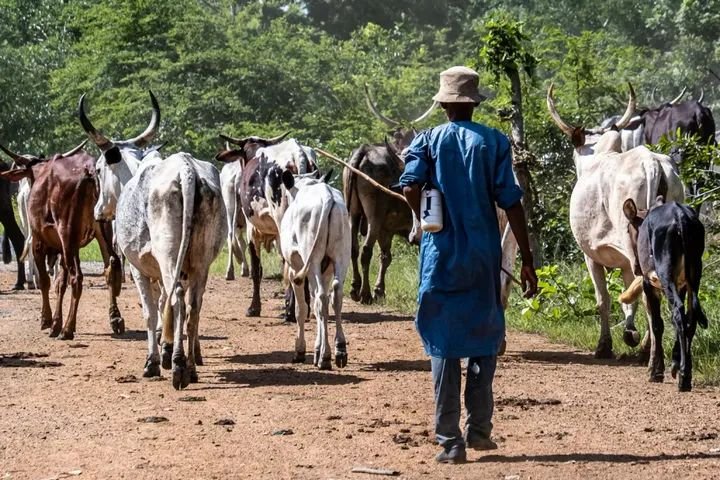
Fresh concerns have emerged over the security situation in Nigeria’s North-West after a new early warning report recorded 27 farmer-herder conflict alerts across Katsina and Zamfara states, underscoring the continued vulnerability of rural communities to violence linked to farming, grazing, and population movements.
The findings, contained in the latest Transhumance Tracking Tool (TTT) Early Warning Dashboard released by the International Organization for Migration (IOM), indicate that the alerts were documented during the monitoring period and reflect persistent tensions between farming and pastoralist communities despite ongoing peace-building efforts.
According to the report, the alerts were recorded in Batsari, Dandume, Jibia, Kankara and Safana Local Government Areas of Katsina State, as well as Bungudu and Gusau Local Government Areas of Zamfara State.
Majority of alerts linked to conflict events
The IOM said the alerts were collected through a network of community-based informants working with local peace committees and monitoring teams.
Of the 27 verified alerts, approximately 74 percent were classified as conflict-related events, while the remaining 26 percent involved sudden movements of people or livestock, often considered indicators of rising insecurity or impending clashes.
The report identified Kusa Ward in Jibia Local Government Area of Katsina State as recording the highest number of event alerts during the reporting period.
Although not every alert resulted in violence, the monitoring system is designed to detect incidents capable of escalating into larger conflicts if left unresolved.
Farmer-herder disputes remain a major challenge
Farmer-herder conflicts have become one of Nigeria’s most persistent security challenges over the past decade.
Competition over grazing land, shrinking water resources, destruction of farmlands by livestock, cattle rustling, banditry, and climate-related pressures have combined to deepen mistrust between farming and pastoralist communities.
Analysts say the situation has become even more complicated in northwestern Nigeria because criminal gangs often exploit communal tensions, making it difficult to distinguish ordinary resource disputes from organized armed attacks.
A recent analysis by International Alert noted that weak governance, poor natural resource management, illegal mining activities and limited inclusion of local communities in decision-making continue to fuel violence across Katsina and Zamfara.
Impact on agriculture and livelihoods
Security experts warn that continued conflict threatens food production across northern Nigeria.
Many farmers have reduced the size of cultivated land or abandoned farming altogether due to fears of attacks, while herders increasingly alter traditional migration routes in search of safer grazing areas.
These disruptions affect crop yields, livestock production and household incomes, while contributing to rising food prices across the country.
Experts argue that improving rural security is essential not only for protecting lives but also for strengthening Nigeria’s food security.
Early warning system aims to prevent violence
The Transhumance Tracking Tool was established to identify potential conflict before violence escalates.
Using reports from trained community representatives, the system tracks incidents involving farmers, pastoralists and population movements to provide authorities and humanitarian organizations with timely information for preventive action.
The IOM noted that early warning information is intended to support local governments, security agencies, traditional leaders and peace committees in responding quickly before disputes become deadly.
Calls for stronger conflict resolution
Stakeholders have repeatedly urged federal and state governments to strengthen dialogue between farming and pastoralist communities while addressing the underlying causes of conflict.
Recommended measures include:
- Expanding community-based peace initiatives.
- Improving access to grazing reserves and water resources.
- Strengthening local security presence.
- Promoting ranching and sustainable livestock management.
- Supporting alternative livelihoods for vulnerable rural populations.
- Enhancing early warning and rapid response systems.
Experts also emphasize the importance of prosecuting criminal elements who exploit communal disputes to carry out kidnappings, cattle rustling and armed attacks.
Security remains fragile
Although several communities have experienced periods of relative calm through local peace agreements, observers caution that many of these arrangements remain fragile.
Recent reports from Katsina have shown that while some areas have benefited from negotiations and improved security operations, isolated clashes continue to threaten stability.
Authorities continue to encourage residents to report suspicious activities promptly while security agencies intensify patrols across vulnerable communities.
The latest alert report serves as another reminder that sustainable peace in Nigeria’s North-West will require coordinated security operations alongside long-term investments in conflict resolution, environmental management and rural development.
Sources:
- International Organization for Migration (IOM) – Displacement Tracking Matrix (Transhumance Tracking Tool Early Warning Dashboard)
- International Alert
- Reuters